




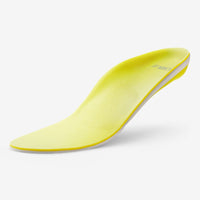
Plantar Fascia Insoles: A Complete Guide to Support, Comfort, and Better Movement

Understanding the Plantar Fascia and Its Role in Foot Mechanics
The Structure and Function of the Plantar Fascia
The plantar fascia is a thick, fibrous band that stretches from the heel to the forefoot, functioning as the foot’s internal suspension bridge. It stabilizes each step and supports the arch as the foot bears weight. When the fascia is strained, even simple movements can become unexpectedly uncomfortable. This tissue works quietly, yet its importance is immense.
What Causes Strain and Discomfort
Daily life places constant tension on the plantar fascia. Long periods of standing, repetitive motion, unsupportive footwear, and excessive load can create microtears within the tissue. Over time, this leads to stiffness, inflammation, and tenderness near the heel or arch. It’s a slow progression, but one that can quickly affect mobility and mood.
How Insoles Influence Foot Stability
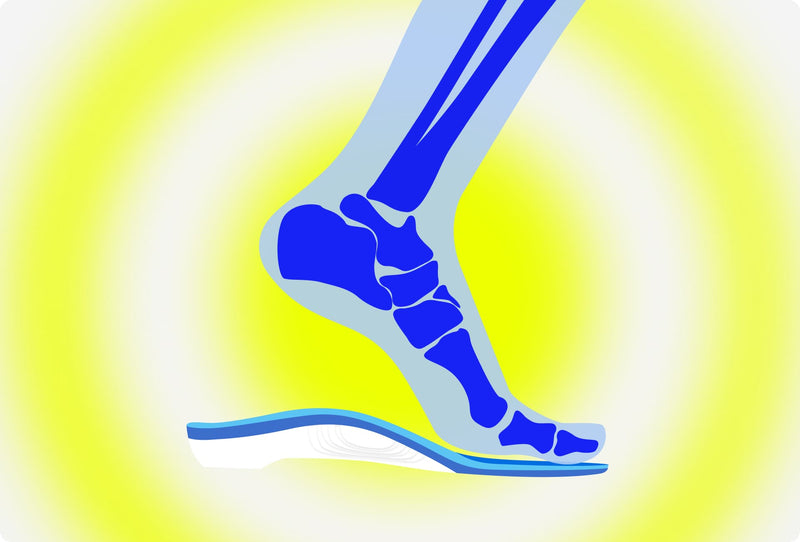
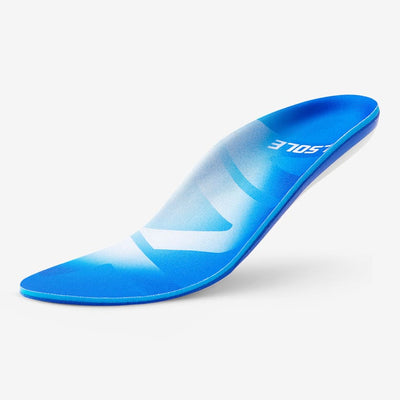
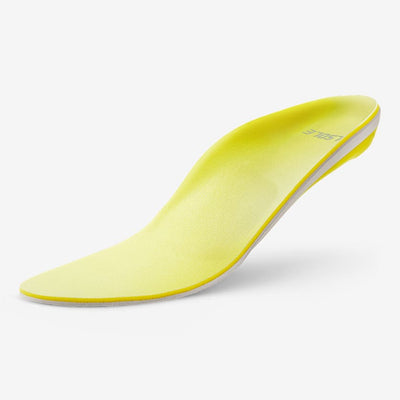
Insoles act as structural intermediaries between the foot and the ground. They absorb impact, regulate pressure, and encourage more biomechanically efficient movement. By supporting the arch and stabilizing heel positioning, they lessen the stress placed on the plantar fascia. With the right design, insoles can transform each step into something noticeably smoother and more controlled.
Core Benefits of Plantar Fascia Insoles
Targeted Support for the Foot’s Natural Arch
Plantar fascia insoles reinforce the arch where the tissue needs the most assistance. With contoured shaping, they reduce collapse during each stride. This targeted elevation helps the fascia maintain its natural tension without overstretching.
Pressure Redistribution and Impact Reduction
Every step generates force that travels through the heel and arch. Insoles diffuse that impact across a larger surface area, preventing localized overload. This redistribution not only reduces discomfort but also promotes healthier joint mechanics up the kinetic chain.
Encouraging Proper Alignment and Motion
Proper alignment is essential for preventing recurring strain. Insoles guide the foot toward a more neutral position, reducing unnecessary rotation or inward collapse. This leads to more fluid motion and enhances stability across all daily activities, from walking to extended standing.
Key Features to Look for in Effective Plantar Fascia Insoles

Reinforced Arch Framework
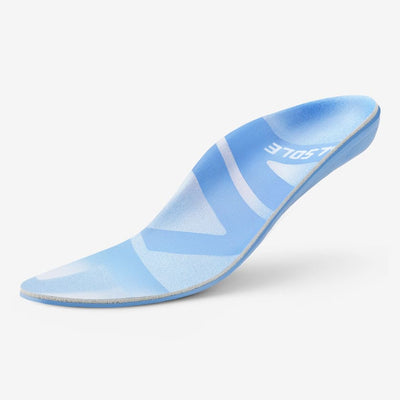
A strong arch foundation is the hallmark of any effective plantar fascia insole. Look for structured materials that maintain their shape under pressure. This reinforcement sustains proper foot posture throughout the day.
Deep Heel Cradles for Enhanced Control
A secure heel cup keeps the foot from shifting excessively during movement. Deep cradles help center the heel, minimizing strain on the fascia and improving overall balance. This anchoring effect supports consistent alignment with every step.
Shock-Absorbing Foams and Multi-Zone Cushioning
Advanced cushioning systems—often made from responsive foams—create a gentle landing platform. Multi-zone cushioning adapts to the foot’s contours, delivering softness where needed and sturdiness where stability is essential. This combination results in a smoother, more supportive experience.
Improving Daily Life with Plantar Fascia Insoles
Comfort During Extended Activity
Whether navigating long workdays or active weekends, plantar fascia insoles provide sustained comfort. They help reduce the sharp heel or arch sensations that often intensify with prolonged movement. The result is a more relaxed stride that feels less demanding on the feet.
Reduced Fatigue and Enhanced Endurance
As the fascia experiences less strain, the surrounding muscles and joints perform more efficiently. Insoles alleviate unnecessary tension, enabling longer periods of activity without the same degree of fatigue. Simple routines—from errands to exercise—become noticeably easier.
Long-Term Relief Through Consistent Support
Ongoing use of plantar fascia insoles helps maintain healthier foot mechanics. Over time, consistent support reduces flare-ups and encourages improved movement patterns. Instead of merely masking discomfort, well-designed insoles promote recovery and resilience in the long run.