



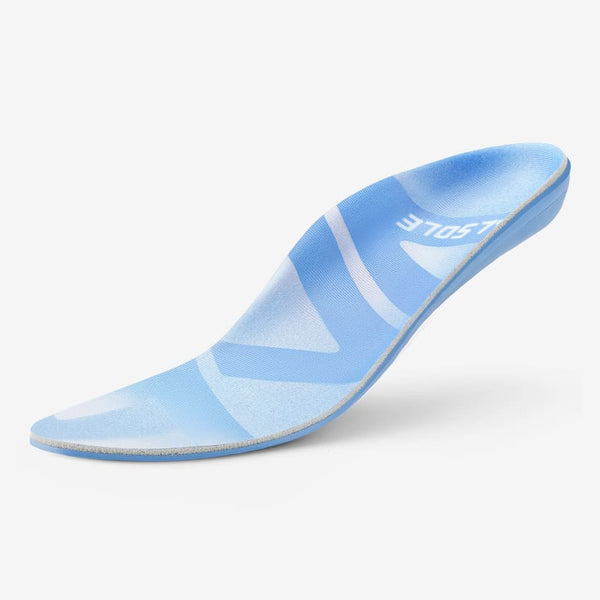
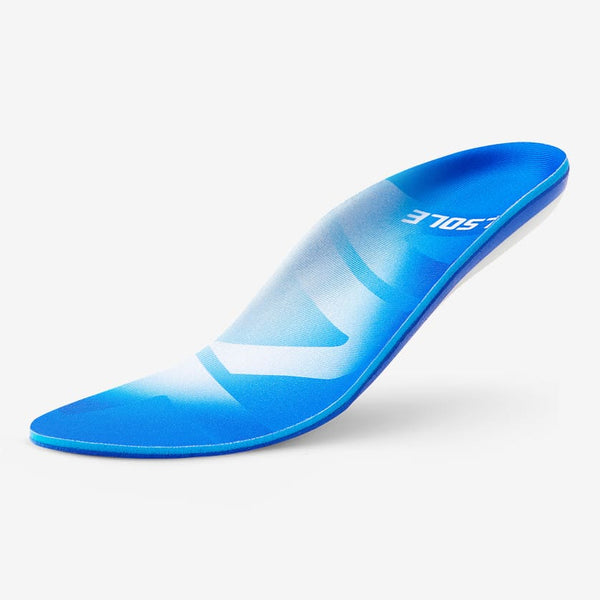


Heavy Duty
Strong arch support and pain relief for flat feet, plantar fasciitis, and heel pain....
$35.98$39.99
View product

If you have flat feet, the right arch support can help reduce fatigue, improve stability, and make standing or walking feel more manageable. But more support is not always better. The best result usually comes from the level of support your feet can actually tolerate through daily wear.
If you have flat feet, finding the right level of arch support can make a noticeable difference in how your feet feel during the day. Good support can help reduce fatigue, improve stability, and make standing or walking feel easier. But there is one common mistake: assuming that the strongest arch support is automatically the best option.
That is not always true. For flat feet, the best result usually comes from support that feels stable and wearable, not overly aggressive. If the support is too weak, it may not help much. If it feels too harsh, it may create a different kind of discomfort. The goal is not maximum force under the arch. The goal is support that your feet can actually use through daily wear.
Many people with flat feet do benefit from arch support, especially if they deal with tired feet, instability, heel soreness, or discomfort after long periods of standing or walking. Support can help improve how pressure moves through the foot and may reduce the sense of collapse or fatigue that builds over time.
That said, not every flat foot needs the same kind of support. Some people feel better with moderate support that stabilizes the foot gently. Others need a stronger structure, especially in demanding daily conditions.

Flat feet can change how the foot handles load during standing and walking. Instead of distributing pressure in a more balanced way, the foot may roll inward more than expected or feel less stable during long wear. That can contribute to fatigue in the arch, heel, ankle, and even the lower legs.
This is one reason some people with flat feet feel sore after standing on hard surfaces for hours, even when the shoes look fine from the outside. The issue is not always the shoe alone. It is often the combination of foot structure, support level, and how long the foot is being asked to work.
This is the most important question. Helpful arch support should make the foot feel more stable, not more irritated. It should reduce fatigue without making the arch feel like it is being pushed too hard.
A useful way to think about it is this:
The best arch support for flat feet is usually the level that improves comfort across real daily use, not just in the first minute of trying it on.
Soft cushioning can feel nice at first, but flat feet often need more than softness alone. If the foot continues to roll or fatigue builds through the day, the problem may be lack of support rather than lack of cushioning.
That is why many people with flat feet do better with a setup that combines cushioning and structure. Cushioning helps reduce repeated impact. Support helps the foot stay more stable while standing and walking.

If you are shopping for insoles or comparing support options, focus on these features:
A good insole for flat feet should not only feel better at first step. It should still feel useful hours later.
If you stand for long hours, support retention matters more than softness alone. A stable support profile usually works better than something that compresses too quickly.
For everyday movement, the best setup usually balances support and flexibility. The goal is support that feels natural enough to wear consistently.
If the shoe already fits snugly, volume matters. A stronger support profile may help, but only if the shoe still has enough room for it to work comfortably.
More support is not always better. Your current setup may be too aggressive if:
Flat feet often need support, but that support still needs to be wearable.
The most common mistakes are:
The best result usually comes from the full setup working together: foot, shoe, and insole.

Sometimes, yes.
The same insole may feel fine in one shoe and awkward in another. Sneakers, work shoes, and boots all create different conditions for fit and support. That is why it is worth checking how much volume the shoe has and whether the insole changes how the shoe feels across the instep or forefoot.
Arch support for flat feet can absolutely help, but the best support is not always the strongest. The goal is a setup that improves stability, reduces fatigue, and still feels wearable through real daily use.
If your feet feel tired, unstable, or uncomfortable after standing or walking, the right support may help a lot. Start by looking for a balance of support, comfort, and fit instead of assuming more is automatically better.
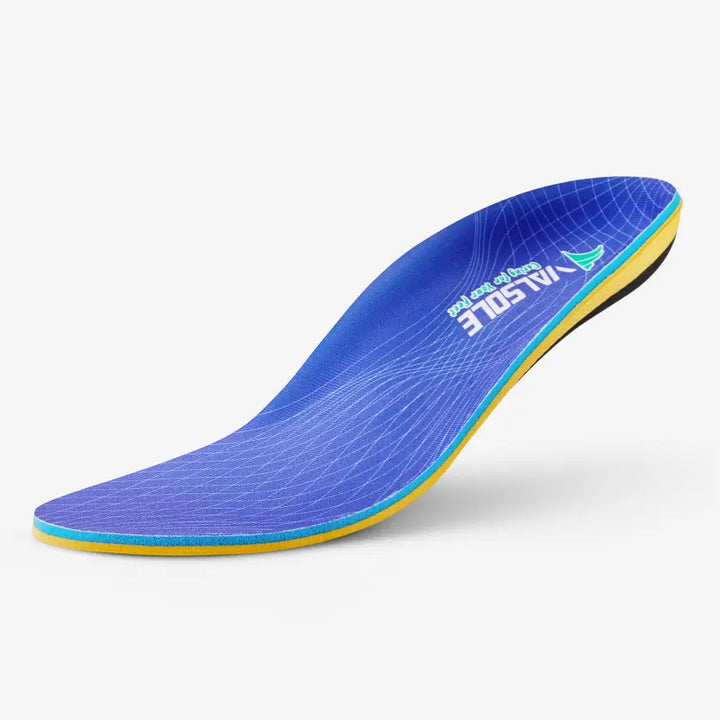
For next steps, compare the Heavy Duty Insole if you need stronger support, look at the Stable Support Insole for a more balanced everyday option, use the Size Guide to make sure the fit works, and review the FAQ if you still have questions.
Shop the products most relevant to the support path discussed in this article.

Keep reading with symptom-based guides and compare support options for your pain profile.


Loading size guide…


