




Fascia Soothe
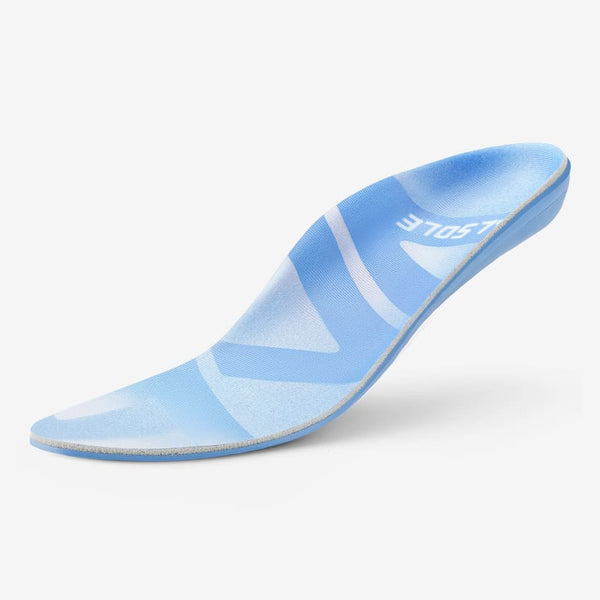
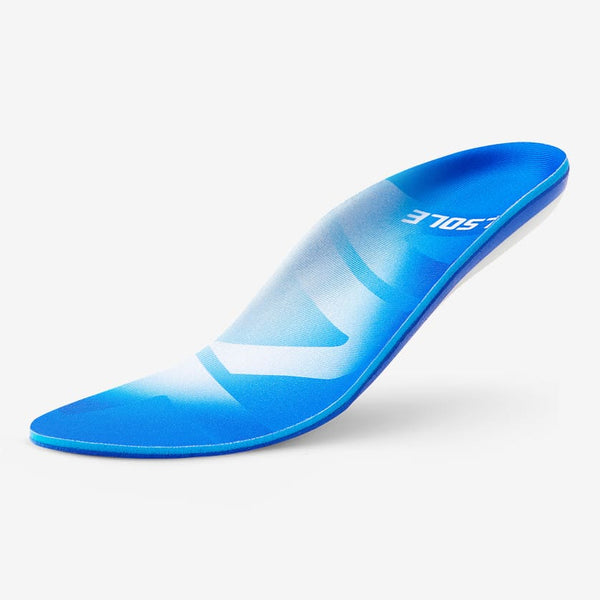
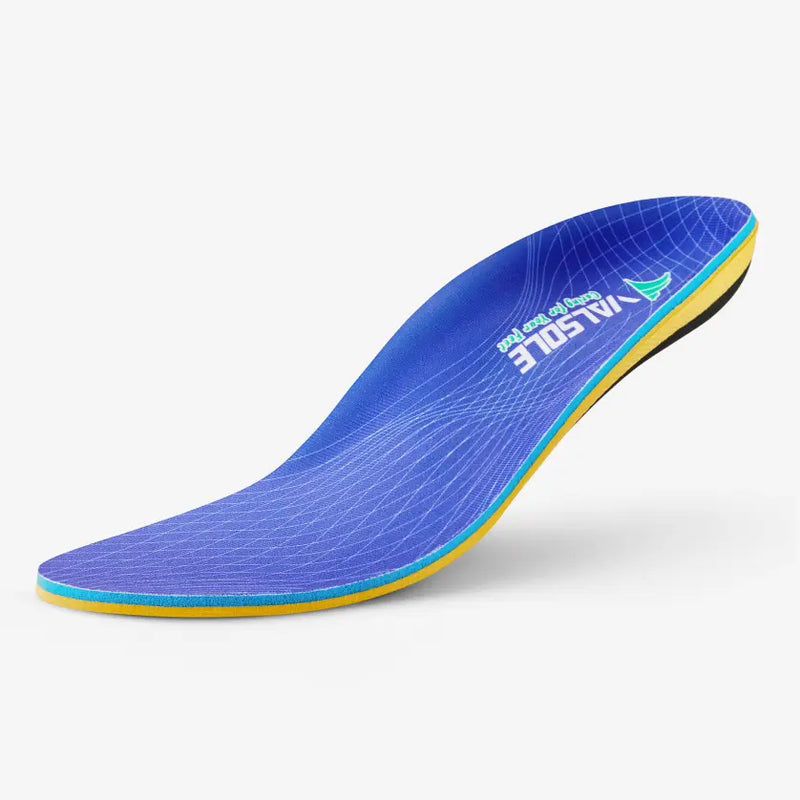
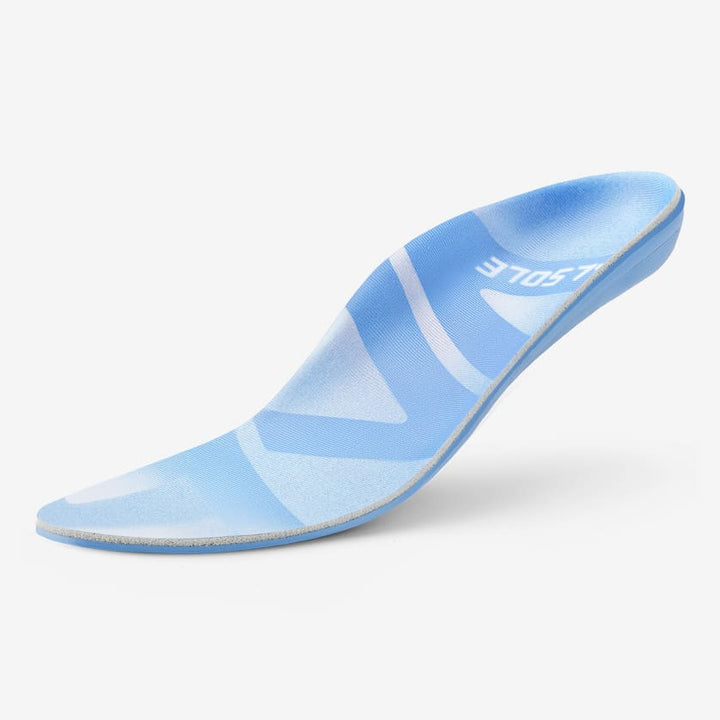
Step into relief. VALSOLE Fascia Soothe insoles are purpose-built for people who know what...
$37.99$39.99
View product


For plantar fasciitis, the right first upgrade depends on where stability collapses first: inside the shoe or under the foot. If heel control and structure already fail before you insert support, replace shoes first. If shoes still hold shape but pain spikes after support fatigue, upgrade insoles first. This sequence prevents paying twice for the same unresolved weak point.
Use one week of structured tracking to confirm the bottleneck before buying both items together.
Anchor decisions to failure timing and objective wear signals, not only how painful the day feels.
| Observed signal | Likely bottleneck | First upgrade | Validation target |
|---|---|---|---|
| Heel collapses inward by midday | Shoe stability breakdown | Shoes | Later-onset fatigue in same shift |
| Support feels flat after few hours | Insole compression fatigue | Insoles | Lower first-step pain next morning |
| Toe box pressure after adding insole | Volume mismatch | Shoes with better volume | No numbness at forefoot by end of day |
Upgrade shoes first when outsole wear is asymmetric, heel counters deform, or upper volume cannot accommodate support without pressure. In these cases, any new insole is forced to compensate for a collapsing frame and will feel inconsistent. Stable structure creates a repeatable baseline that lets support do real work instead of firefighting constant movement errors.
After shoe replacement, keep your current insole for several days to isolate the effect and avoid false positives.
Upgrade insoles first when the shoe shell is still structurally sound but symptom control fades over hours. This pattern usually indicates support retention failure rather than full-shoe failure. A better insole profile can restore arch guidance and heel load distribution without forcing immediate shoe replacement, especially when upper fit and heel lock are still stable.
If symptom relief returns quickly but drops again in a few weeks, treat that as a replacement-cycle issue, not a sizing issue.
Track three numbers daily: first-step pain, time-to-fatigue during longest standing block, and evening soreness recovery speed. If two out of three improve consistently, keep the current path and delay second purchase. If only one metric improves, add the second upgrade in a controlled step. This prevents random trial-and-error spending and gives clear evidence for the next move.
Validation should be behaviorally consistent: same shift type, similar floor hardness, and comparable walking volume.
For next steps, map your symptom profile in the Plantar fasciitis relief guide, benchmark structure with Stable Support insole, and confirm fit constraints before replacing shoes in the Size guide.
Shop the products most relevant to the support path discussed in this article.

Keep reading with symptom-based guides and compare support options for your pain profile.


Loading size guide…


