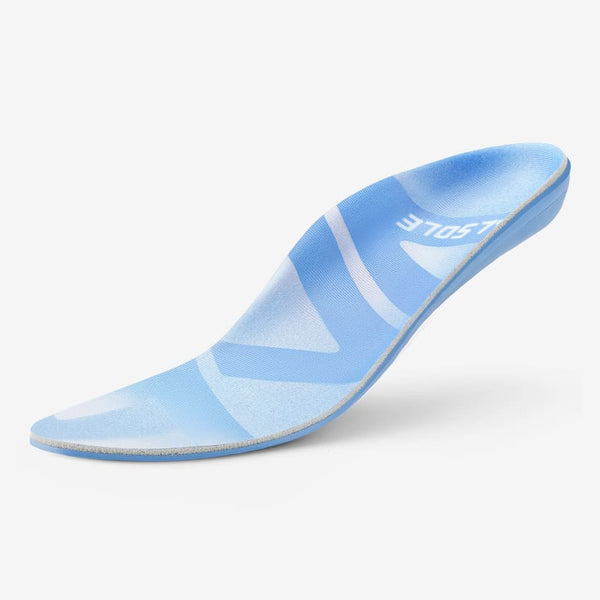
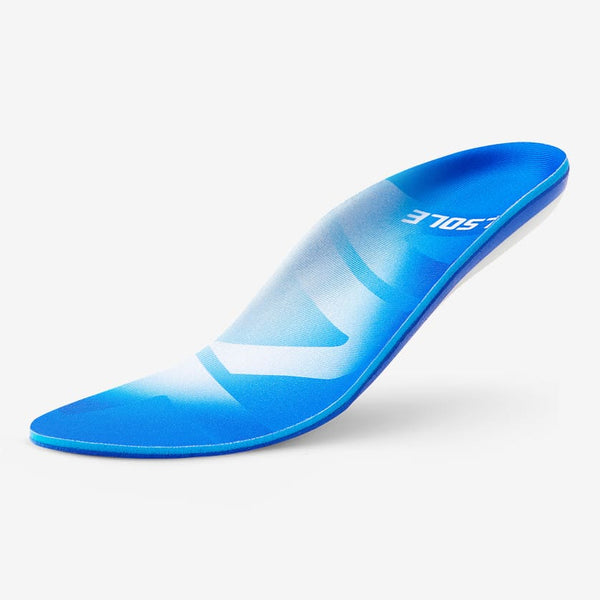
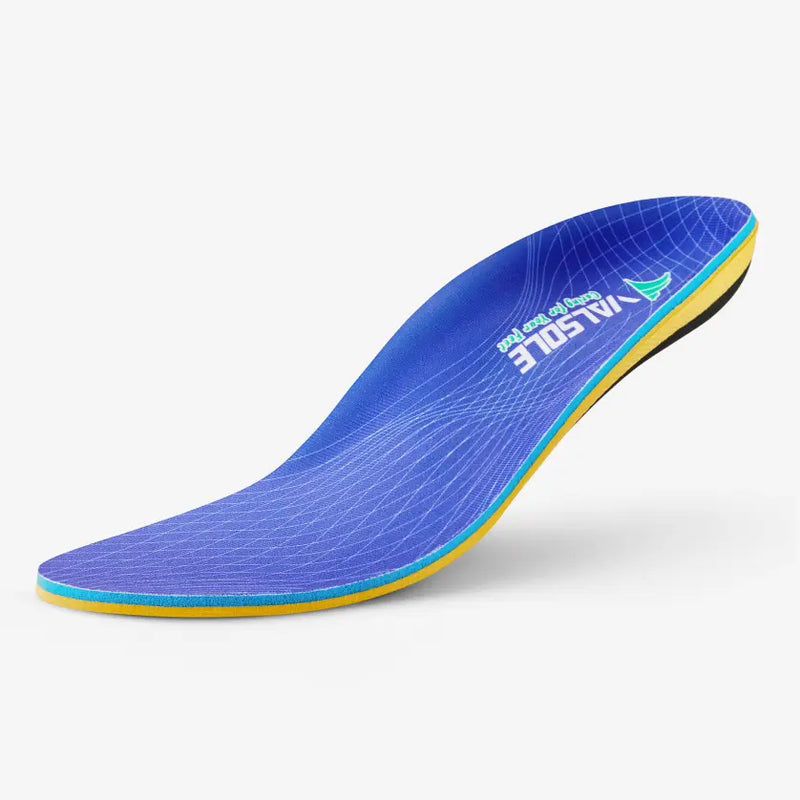
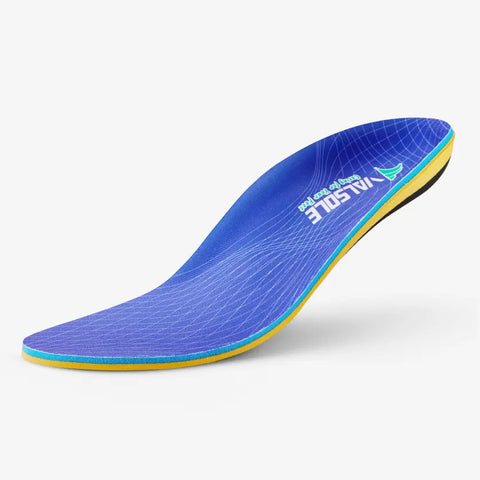
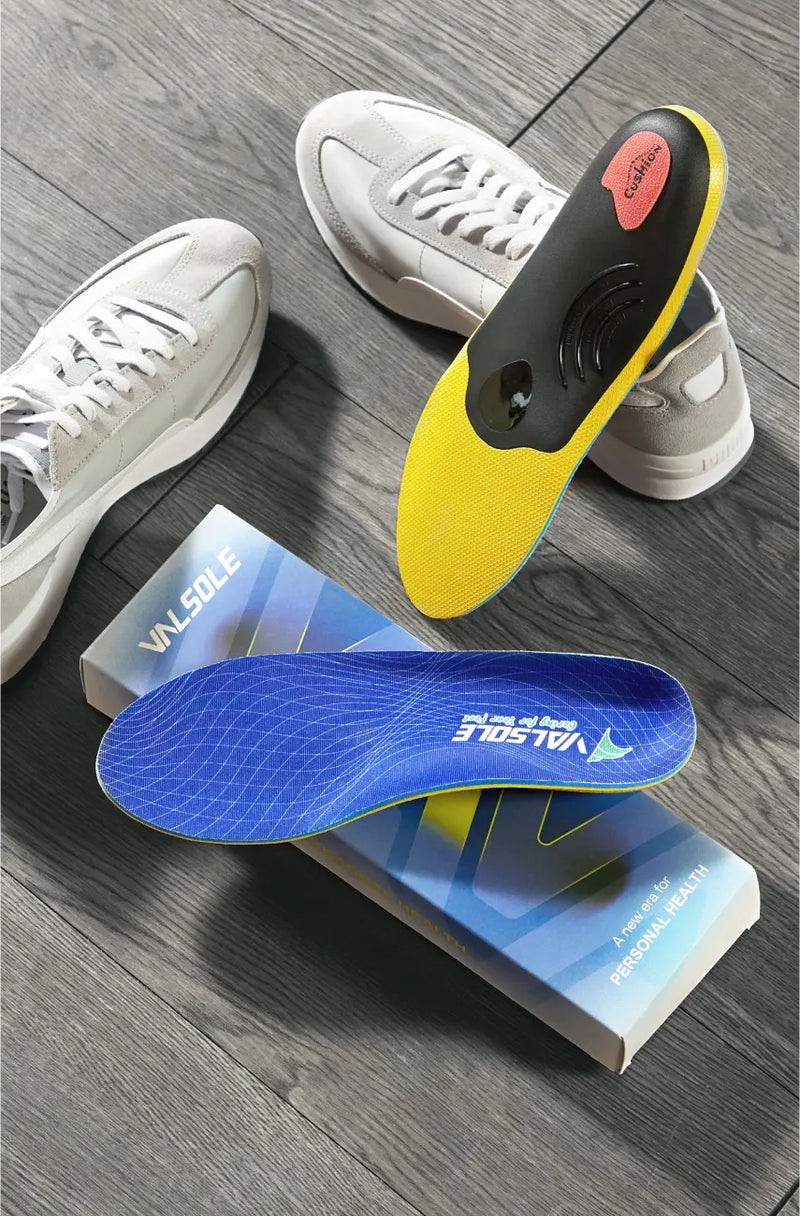
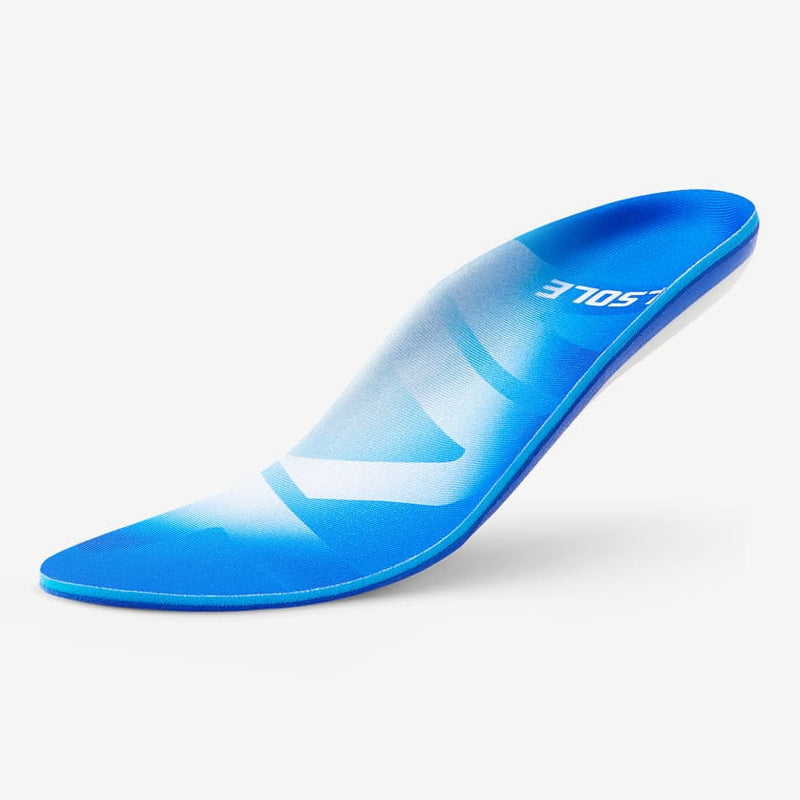
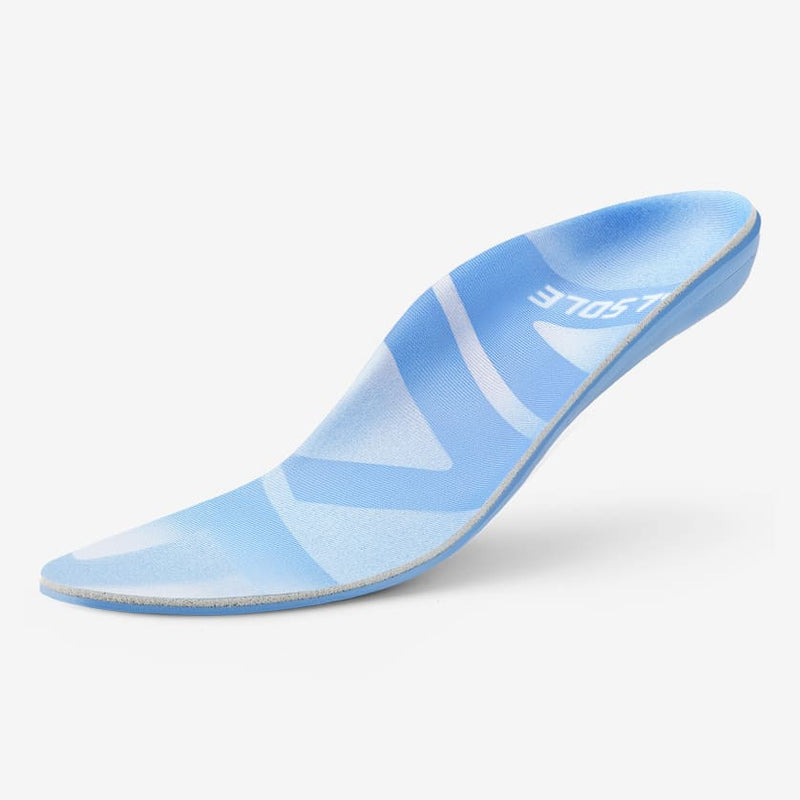
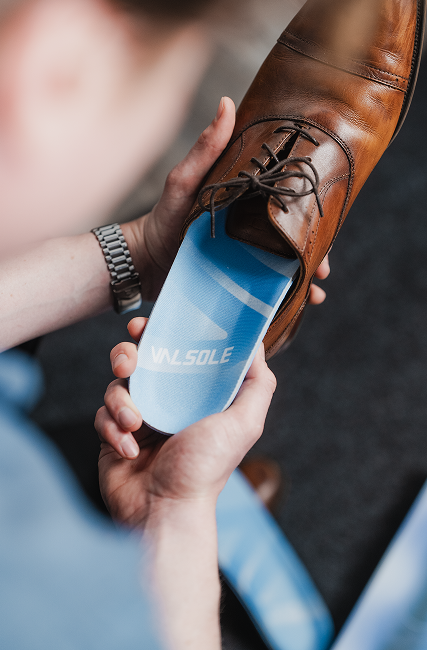
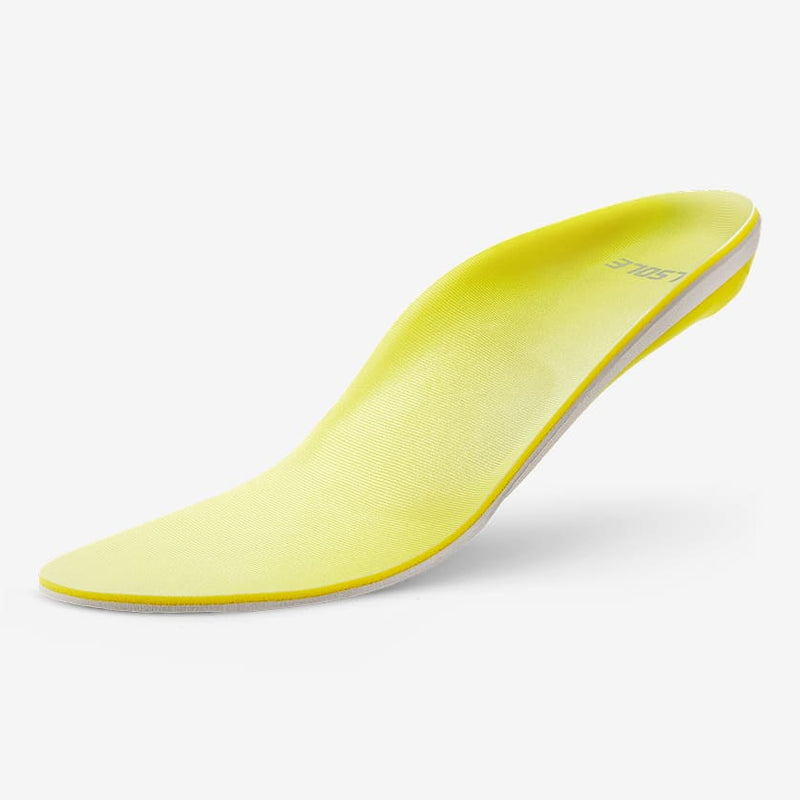
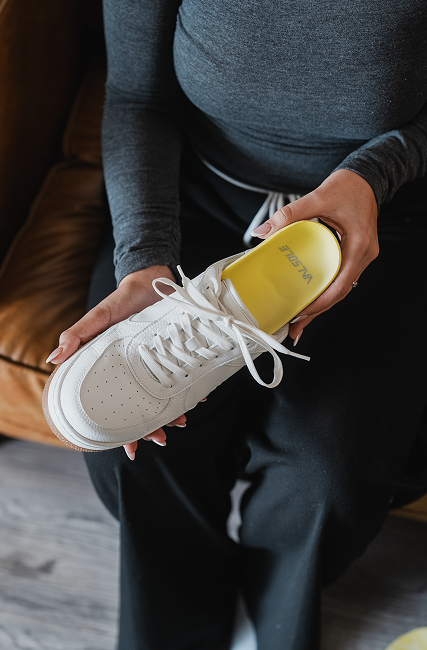
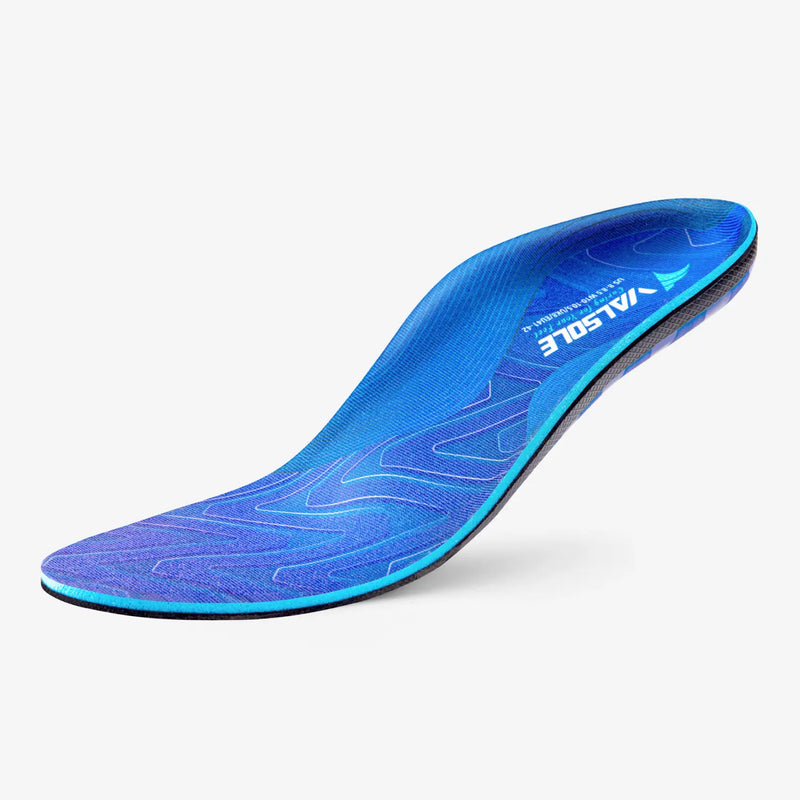
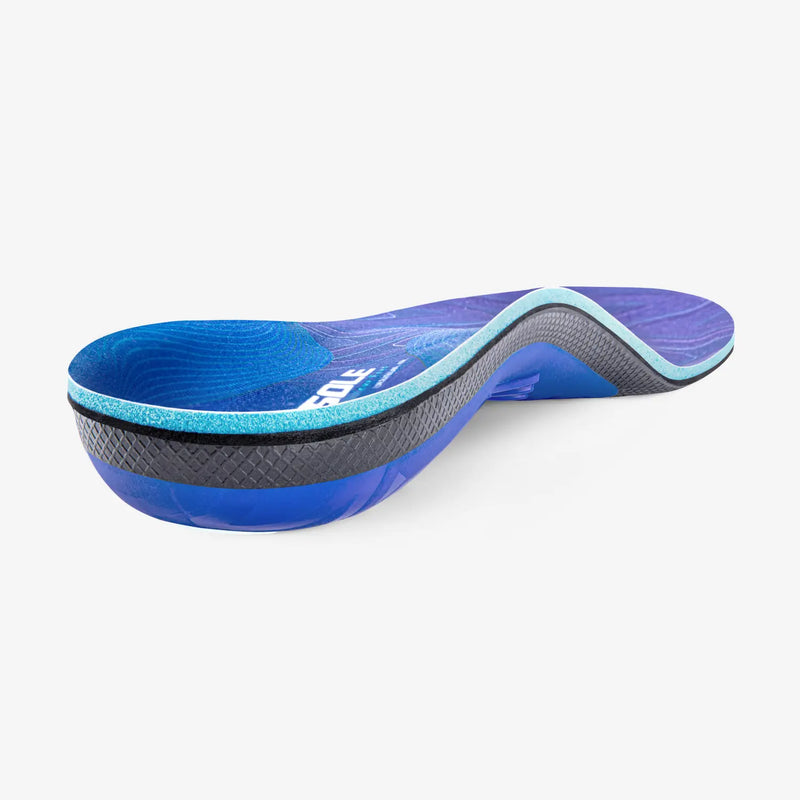
Check boot space before choosing support. A taller or firmer insert is not automatically a better fit. Check whether the original liner is removable, and compare the product size guide with your boots before ordering. Do not assume two stacked insoles will leave enough toe room.
For a firm-support preference: compare Heavy Duty. For an everyday support alternative, compare Stable Support. These are support options, not guarantees of compatibility with every boot.
Test with your usual work socks. Check heel hold, room above the foot and toe movement while standing and walking. A boot that closes normally can still feel crowded after replacing its liner. Do not force a setup that creates new pain or numbness.
Working mainly on hard floors? Use the concrete-floor comparison for that surface-specific choice. For safety footwear, check the boot manufacturer or workplace requirements before changing the supplied footbed; this collection does not certify a modified boot.