




DO
- START WITH ARCH GUIDANCE that keeps heel and midfoot stable
- TEST SUPPORT DURING REAL DAILY LOAD, not only short trials
- CHECK SHOE VOLUME AND FIT before choosing an insole

START HERE IF ARCH FATIGUE RETURNS BY DAY END. This page follows one simple path: confirm your daily load, understand why soft-only comfort can fall short, use three buying standards, then compare arch support insoles before moving to a higher-load option.
Use recent foot-pain news, orthopedic footwear reporting, and buyer-focused updates to make better compare-page decisions.

Most arch-support wins come from steady daily guidance, not from extreme shape or soft feel alone.

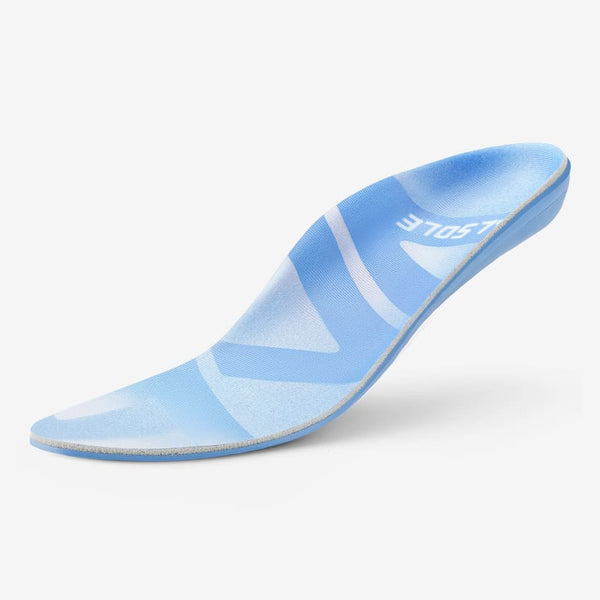
A daily in-shoe option when you want more stable heel-to-arch guidance in footwear that already fits.
Shop Stable Support
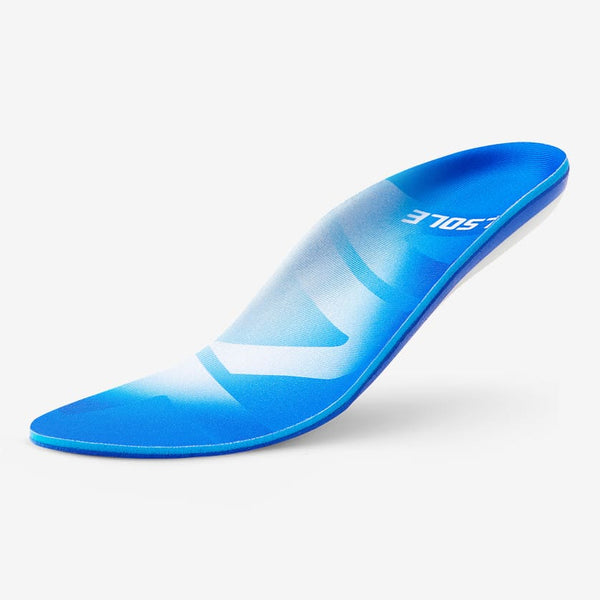
A higher-load in-shoe option for longer standing blocks, hard floors, or more demanding workdays.
Shop Heavy Duty
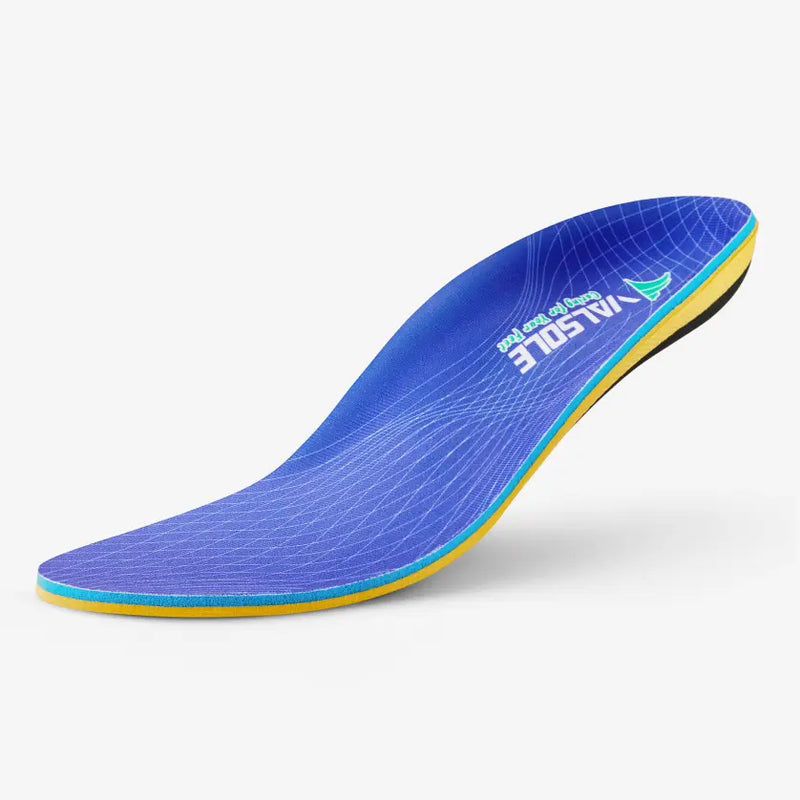
An in-shoe option to compare when heel-to-arch comfort is part of the selection criteria.
Shop Fascia SootheStart with stable heel-to-arch guidance inside shoes that already fit. Compare arch support insoles first, then choose a more structured option when your daily load remains high.
If you feel sharp midfoot pressure, numbness, or edge discomfort after a short break-in period, your support profile is likely too high. Move to a lower-volume shape before judging the entire category.
Often yes. Stable arch and heel guidance can reduce inward collapse in daily footwear, as long as the base is not too soft or unstable under repeated load.
Choose an insole when the shoes you wear for work or daily activity fit well but need more consistent heel and arch guidance. Recovery footwear can remain a useful after-activity option.
Loading size guide…


