


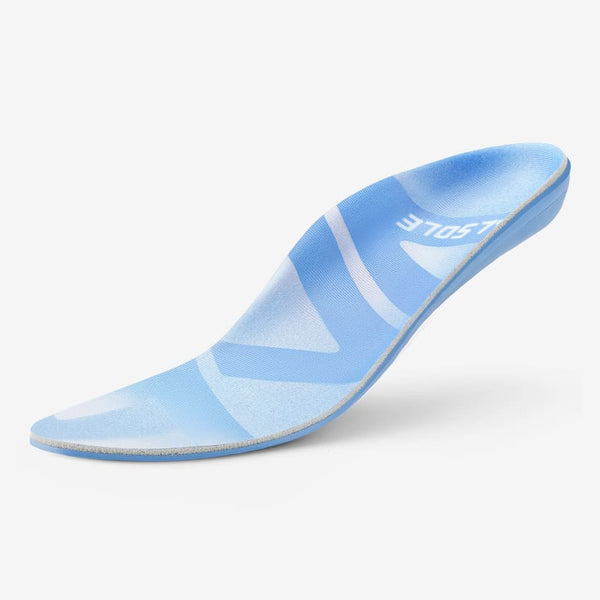
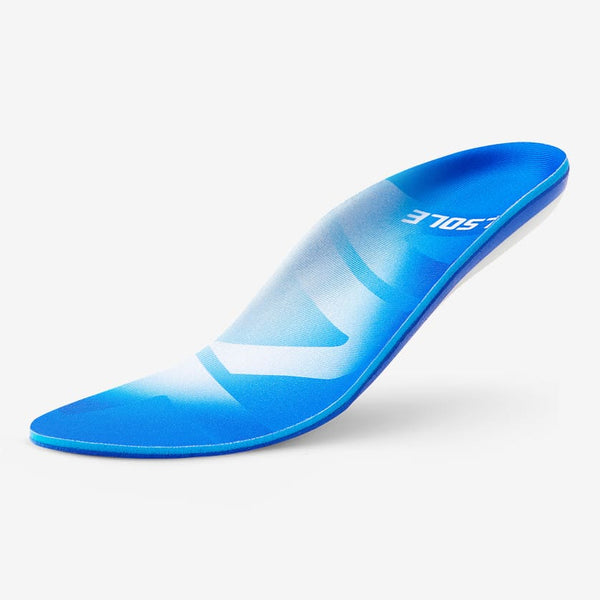
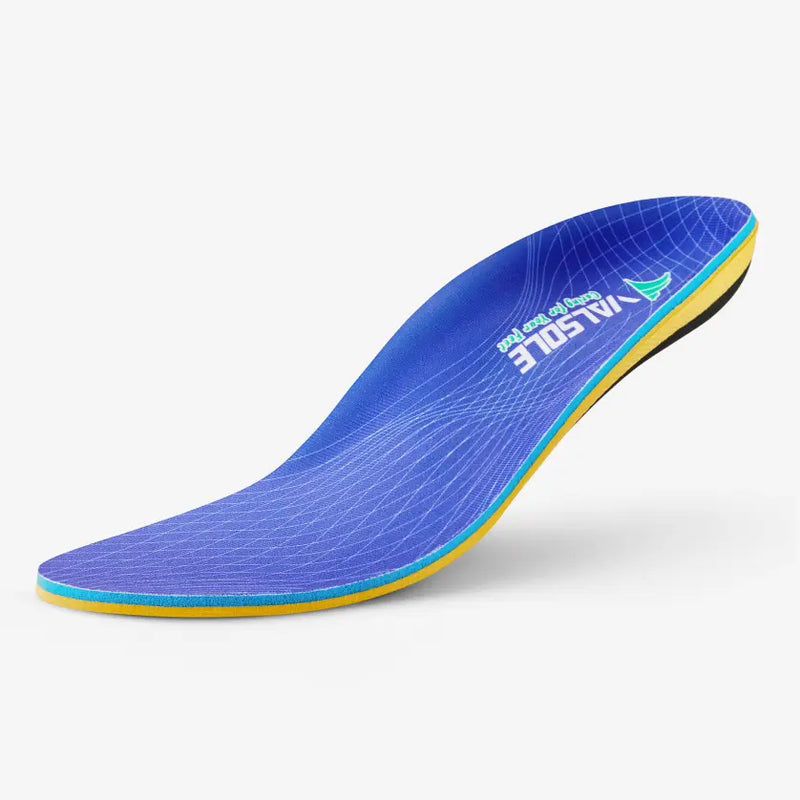


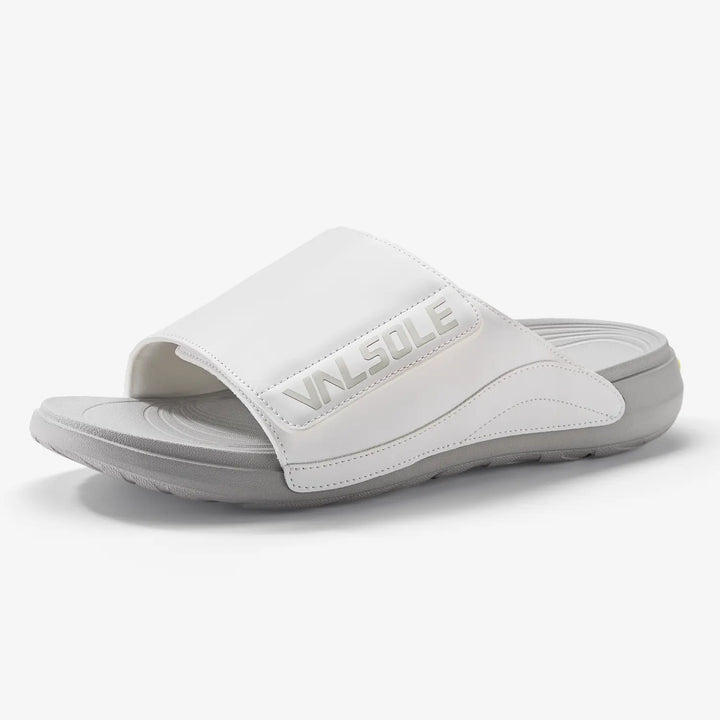
Recovery Slide
The VALSOLE Recovery Slide is engineered for everyday relief, combining ergonomic support with lightweight...
$69.99$109.99
View product

For individuals experiencing underfoot soreness or morning heel discomfort, selecting the right footwear for indoor use is a recommended step in supporting foot comfort. A common question among shoppers is whether recovery slides provide meaningful support compared to traditional flat slippers. From a biomechanical perspective, high-quality recovery slides offer structured underfoot support that helps distribute pressure, making them a suitable option for daily home wear.
Yes. Recovery slides designed with built-in contoured arch support, deep heel cups, and shock-absorbing midsoles are discussed in research as supportive options for daily underfoot support. They help cushion the impact of walking on hard indoor surfaces, assisting underfoot comfort. However, it is important to note that recovery slides are comfort-support tools rather than clinical solutions or medical options for chronic foot conditions. They are designed to assist foot posture and promote comfort during active rest periods.
Walking barefoot at home, especially on unyielding surfaces such as tile, hardwood, or concrete, is a common habit that can lead to discomfort. When stepping onto a hard floor without supportive footwear, the foot lacks a protective barrier to absorb impact forces. This placement promotes a flatter foot placement, which can increase tension across the underfoot tissues and lead to discomfort in the heel and arch area.
By wearing a supportive slide indoors, you introduce a functional cushioning layer between your foot and the floor. This simple change is a common approach in daily comfort management, helping to minimize underfoot fatigue during household chores. For more details on managing daily foot comfort, you can read our comprehensive plantar fasciitis guide.
When shopping for recovery slides, it is helpful to evaluate footwear based on three specific biomechanical criteria to ensure they support foot comfort effectively:
Flat slides or traditional flip-flops allow the foot to expand outward and flatten with every step, providing zero structural guidance. A supportive recovery slide features a contoured footbed designed to match the natural shape of the foot arch. This arch support assists foot posture and guides the foot through a natural gait cycle. A study published in the Journal of the American Podiatric Medical Association (JAPMA Study) suggests that combining contoured, arch-supportive footwear with stretching exercises assists with subjectively reported morning heel comfort more effectively than stretching alone.
The heel contains a natural fat pad designed to cushion the calcaneus (heel bone) against impact. Flat shoes allow this fat pad to spread outward, reducing its effectiveness. A deep heel cup is helpful for containing the heel's natural fat pad. It helps keep this natural cushioning centered directly under the heel bone, distributing pressure evenly. Clinical reviews compiled in databases like StatPearls (NCBI Guide) commonly discuss using structured heel cups or cushioning cups to manage impact forces and support underfoot structures.
The midsole should utilize thick, lightweight material (such as specialized EVA or polyurethane foam) that offers high energy return. This foam absorbs underfoot shock, reducing the physical fatigue placed on the lower limbs. The structural properties of these shock-absorbing footbeds align with evaluation guidelines from professional organizations like the American Podiatric Medical Association (APMA), which evaluates footwear for structural integrity and comfort support.
| Footwear Option | Arch Support Level | Heel Cup Stabilization | Shock Absorption | Recommended Environment |
|---|---|---|---|---|
| Barefoot Walking | None (foot flattens) | None (fat pad spreads) | None | Soft carpets, grassy outdoors |
| Standard Flat Slides | Minimal to None | None | Low (thin soles) | Poolside, light transition wear |
| Supportive Recovery Slides | Moderate to High (contoured) | Moderate (deep heel cup) | High (thick cushioning foam) | Indoor hardwood/tile floors, post-workout rest |
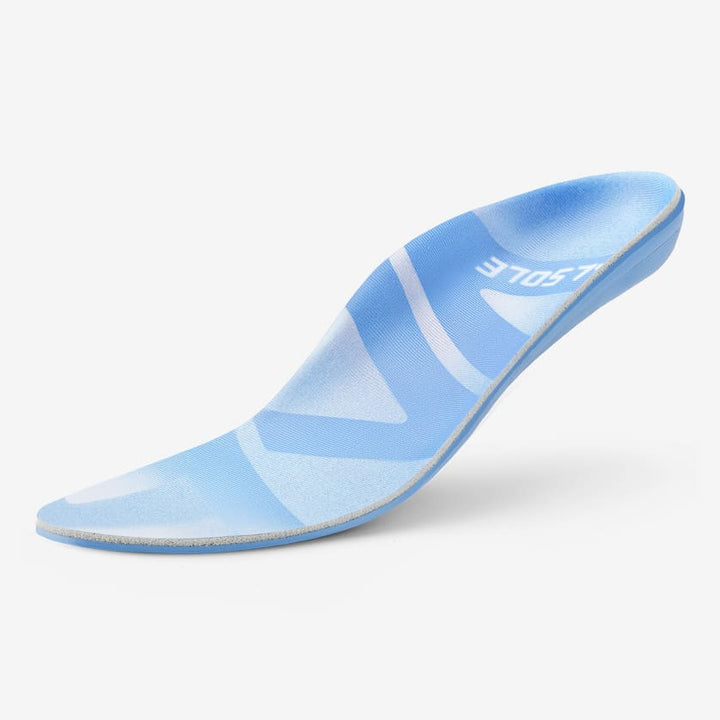
For individuals seeking supportive indoor comfort, the VALSOLE Recovery Slides are engineered with a contoured arch footbed and a thick shock-absorbing sole. This design assists foot posture by providing a structured cushioning barrier against hard wood or tile floors, making it a suitable option for daily home wear.
Integrating these slides into your post-work routine helps support foot comfort after long standing shifts. To learn more about selecting supportive footwear for different seasons, check out our recovery footwear guide or browse our complete recovery footwear collection.
Q: Can I wear recovery slides all day?
A: Yes, they are highly suitable for indoor wear throughout the day. However, for active outdoor tasks, structured athletic or walking shoes are recommended.
Q: How do stretch exercises combine with recovery footwear?
A: Stretching the calves and plantar fascia helps maintain flexibility, while recovery slides provide underfoot cushioning between stretch sessions, offering a balanced comfort routine.
Q: Are recovery slides better than flat slippers?
A: Biomechanically, yes. Flat slippers offer no arch guidance or heel containment, whereas recovery slides help distribute body weight and support foot comfort on hard floors.
This review is updated regularly to align with occupational safety guidelines and podiatric database evaluations. Primary sources include the American Podiatric Medical Association (APMA) footwear seals, JAPMA randomized trials on orthotic sandals, and StatPearls reviews on conservative foot cushioning.
Shop the products most relevant to the support path discussed in this article.

Keep reading with symptom-based guides and compare support options for your pain profile.


Loading size guide…


