




Recovery Slide
Start with Recovery Slide when heel-and-arch soreness spikes on hard floors at home or after the day ends.
Shop Recovery Slide
Quick verdict: reduce repeated heel-and-arch reload first, then choose support by where pain appears most during your day.
Use recent foot-pain news, orthopedic footwear reporting, and buyer-focused updates to make better compare-page decisions.

Plantar-type pain often improves when repeated heel and arch tension are reduced, not when softness is increased alone.
Start with Recovery Slide when heel-and-arch soreness spikes on hard floors at home or after the day ends.
Shop Recovery Slide
Use Propel Flip when you need lighter daytime support for walking and errands without dropping into flat sandal softness.
Shop Men's Propel Flip
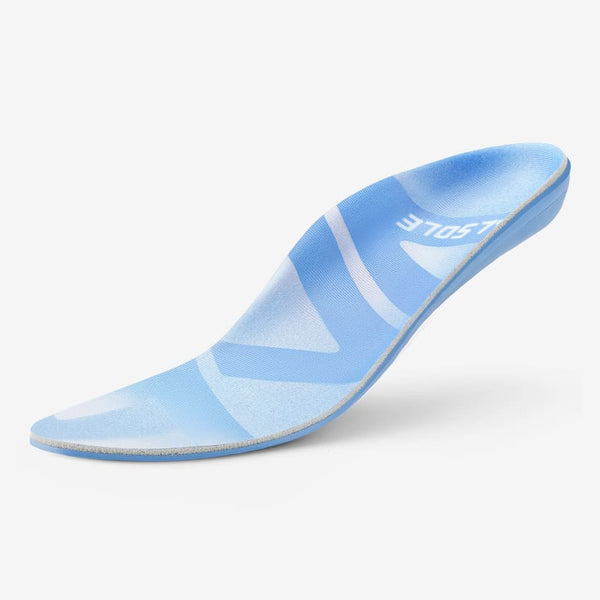
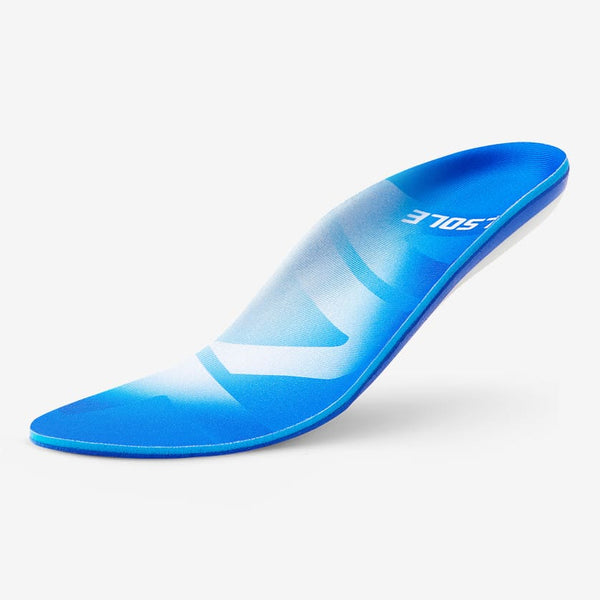
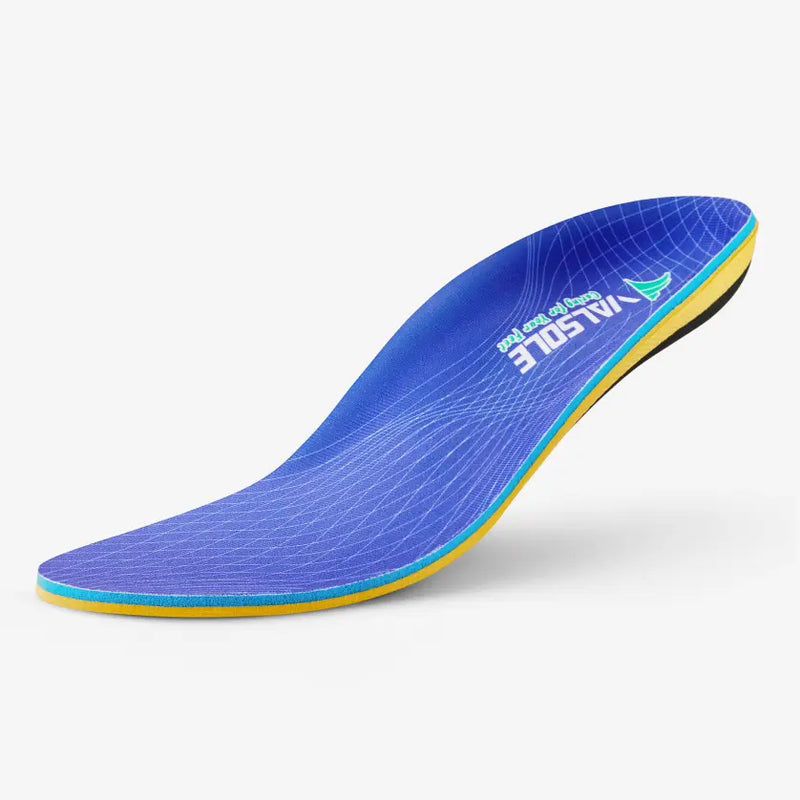
Move to Heavy Duty when work shoes or walking shoes still need firmer heel-and-arch control inside the shoe.
Shop Heavy DutyFor the first 7 days, reduce impact spikes, use structured arch support consistently, and add short calf and plantar fascia stretches twice daily. The goal is not only to calm the pain, but to stop repeating the same heel-and-arch overload pattern throughout the day.
Usually yes. A firm insole for work shoes, sneakers, or walking shoes plus supportive recovery footwear at home reduces repeated heel loading across the day. Many plantar fasciitis setups stall because one part of the day is supported and the other part is not.
Start with insoles first when the pain is mainly tied to work shoes, sneakers, walking shoes, or standing shifts where you need more heel control and arch structure inside an existing shoe. Start with supportive footwear first when hard floors at home or low-impact daily walking are the main trigger and your current footwear base feels too soft or unstable.
If you need a broader product-selection framework, go to the Insoles Complete Guide. If the pain is tightly linked to long shifts or concrete floors, go next to the Standing All Day Support Guide. If you are ready to choose a product now, compare Heavy Duty, Fascia Soothe, and supportive recovery footwear based on where the pain shows up most.
Loading size guide…


