


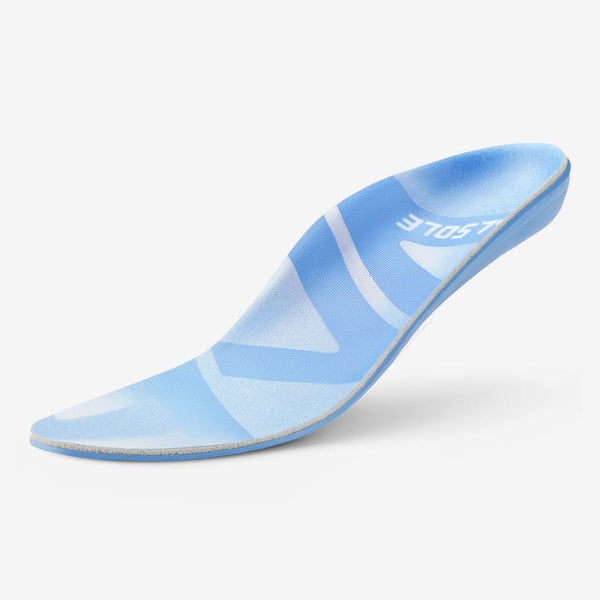
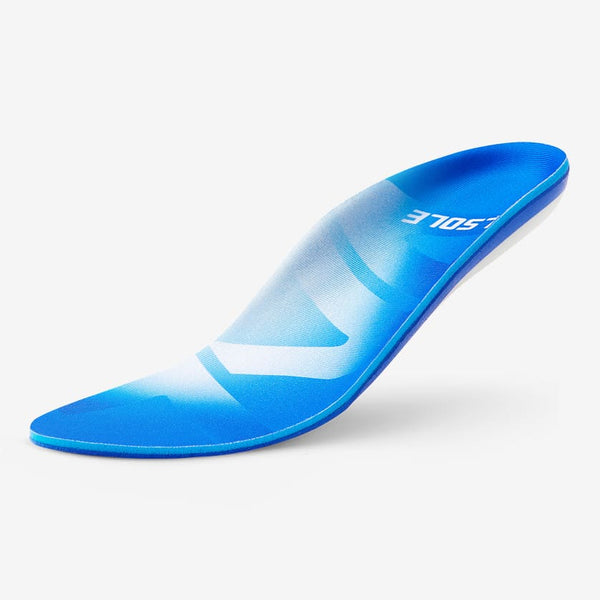
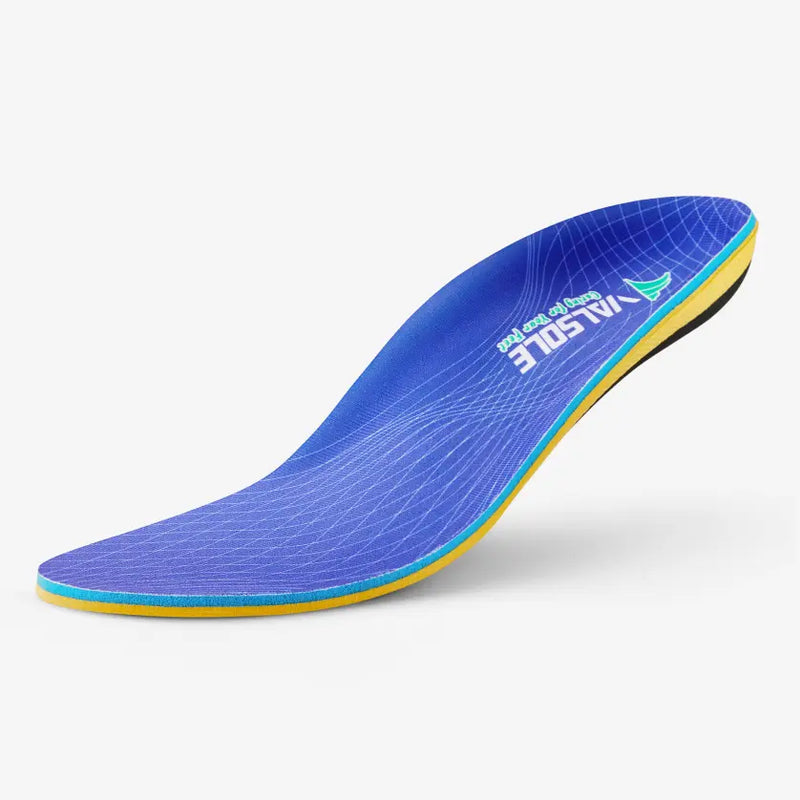


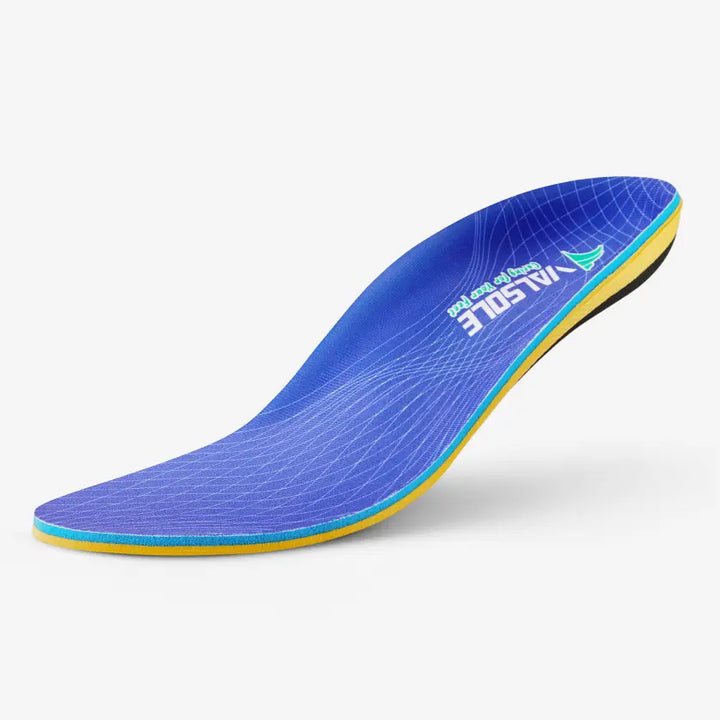
Heavy Duty
Heavy Duty is VALSOLE's firmer in-shoe support path for long standing, work boots, and...
$35.98$39.99
View product


Compare heel cushioning, arch contact and shoe room before buying insoles for heel pain. See fit checks and VALSOLE support options without relief guarantees.
The best insoles for heel pain cannot be chosen from the symptom name alone. When comparing retail options, check heel cushioning, comfortable arch contact and whether the insert leaves enough room in your shoes. Use the heel comfort support collection to compare formats, then inspect the specific product and size before ordering.
This is a VALSOLE buying guide, not a diagnosis, independent best-product ranking or a promise of pain relief. Timing and location of pain do not let this page identify its cause. Persistent or worsening symptoms need professional assessment.

| Shopping priority | What to inspect | VALSOLE comparison |
|---|---|---|
| More cushioning under the heel | How the heel sits after adding the insert; pressure and shoe depth | Heel Relief, which the current product listing describes as having extra-thick heel cushioning |
| Firm arch contact and heel stability | Comfortable contour contact and secure heel hold while moving | Stable Support |
| Firmer support for long workday standing | Removable liner, work-shoe space and your preference for firmness | Heavy Duty in compatible closed shoes |
These are shopping distinctions, not assignments based on a medical condition. We have not run a controlled comparison establishing which model reduces a reader's heel pain. A product's cushioning or firmness description does not establish an individual outcome.
A full-length replacement and a separate heel insert occupy different space. Check the format recommended for your shoes and any instructions from a clinician. Extra material beneath the heel can change how the foot sits in the shoe; do not assume that adding a second layer is harmless or that more thickness is better.
For a general comparison of formats, use the arch support versus heel cup guide. If your main goal is support inside existing shoes, keep the insole collection as your product range. Recovery footwear is a different format for a different wearing context.
No. This guide cannot diagnose a cause from symptom timing or recommend a treatment from that clue alone.
Softness alone does not establish a secure shoe fit or comfortable arch contact. Compare the complete setup rather than squeezing the insert by hand.
No. Retail fit guidance cannot promise a symptom outcome. Seek individual advice for ongoing symptoms or before replacing a prescribed device.
AAOS shoe-fit guidance discusses removable liners and shoe room; NHS orthosis guidance covers compatible footwear and flat seating. Neither is a product endorsement. Before ordering, check current details on the product page and Size Guide.
Shop the products most relevant to the support path discussed in this article.


Keep reading with symptom-based guides and compare support options for your pain profile.


Loading size guide…


