

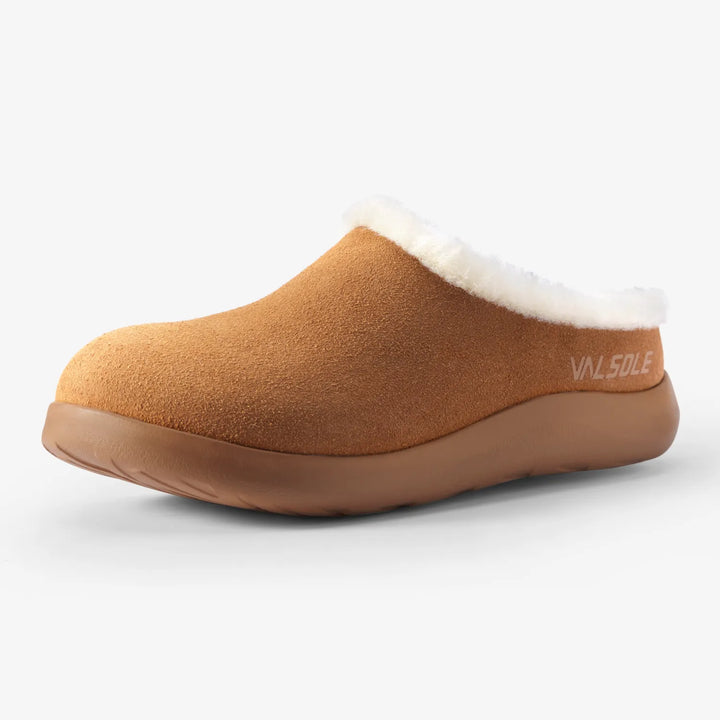
Hearth Clog
The Hearth Clog provides structured everyday stability and thermal comfort for users 220 lbs+,...
$59.99$89.99
View product


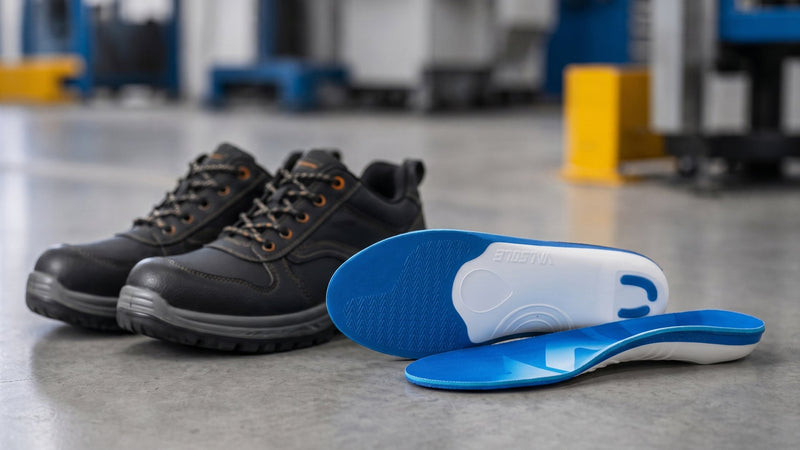
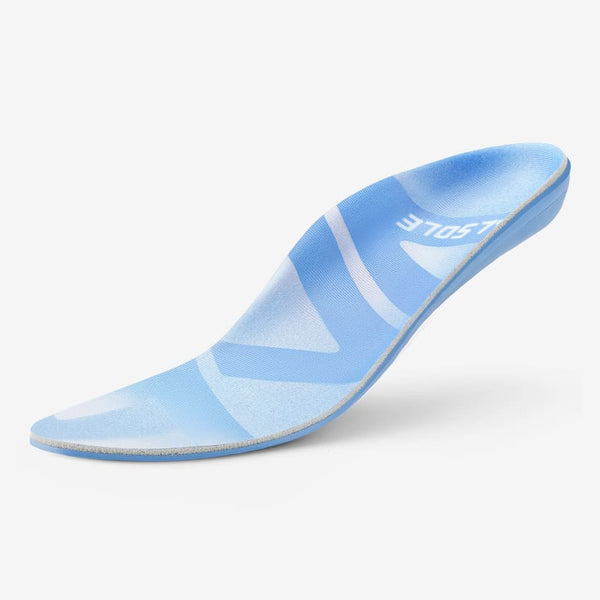
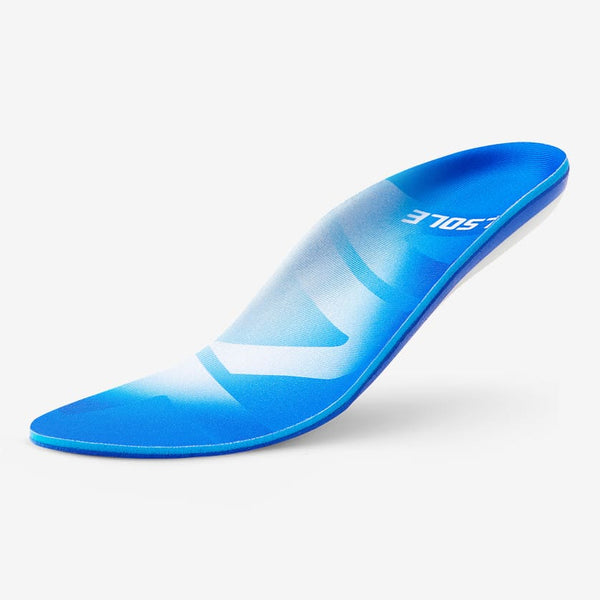
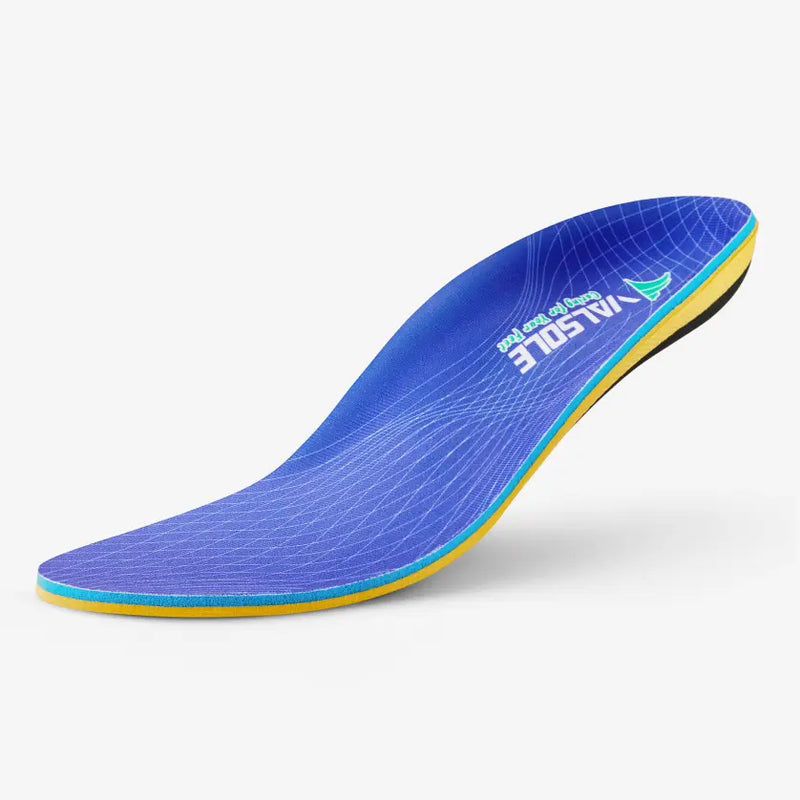
Hard home floors can add up through cooking, laundry, cleaning and other standing routines. Start by naming the footwear you actually use: a closed shoe with room for an insert, or dedicated recovery footwear for indoor use. For a closed-shoe route, begin with the concrete-floor insoles collection. For indoor footwear, compare the recovery footwear collection. Softness alone does not settle the choice.
This is a shopping and fit guide, not a diagnosis or a promise of pain relief. A product can feel pleasant on the first step and still be the wrong fit once you walk, turn or stand in it for a normal home routine.
| Your routine | First route to compare | Fit check before ordering |
|---|---|---|
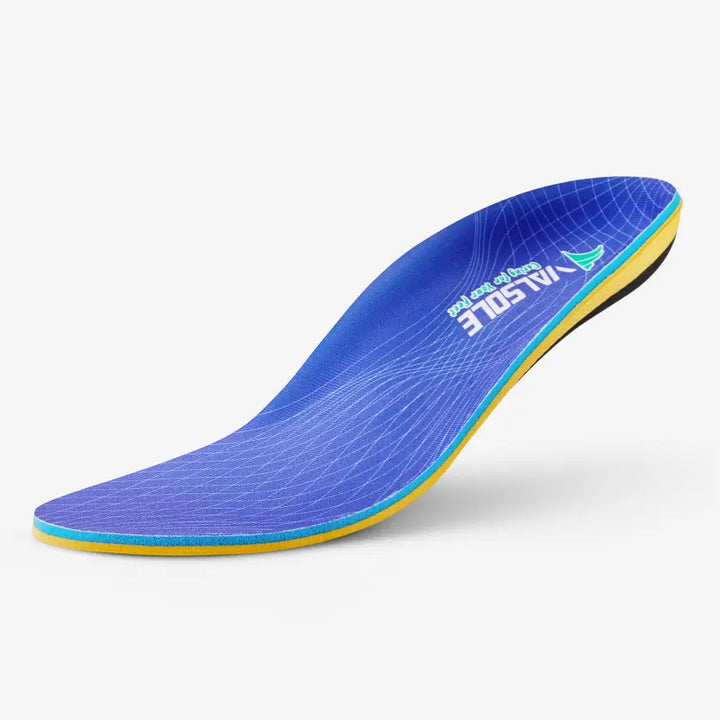
| Cooking, laundry or chores in closed sneakers or casual shoes | Concrete-floor insoles | Confirm the shoe has a removable liner and still leaves toe room after the insert is seated. |
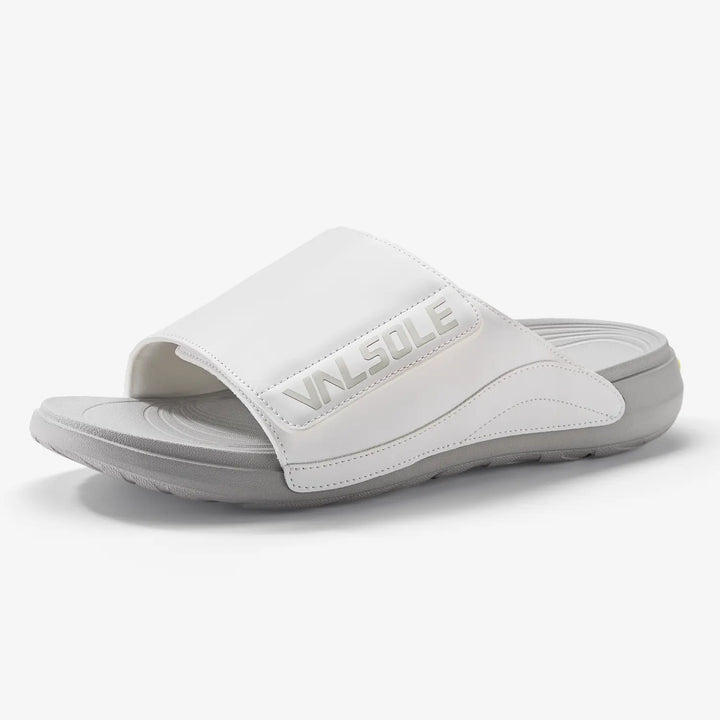
| Short, easy on-and-off indoor routines | Recovery Slide | Check the strap, heel position and secure footing while you turn and carry items. |
| Covered indoor wear in cooler rooms | Hearth Clog | Use your usual socks and confirm that the toe area remains comfortable. |
| Long standing blocks in a roomy closed work shoe | Heavy Duty | Compare a firmer support feel only after shoe room and heel hold pass the fit check. |
If the hard-floor routine happens in sneakers, work shoes or boots, first compare how an insole sits inside that specific shoe. The standing-on-concrete work-shoe guide explains the checks for longer standing blocks. For walking between chores or shifts, use the walking-and-standing guide before choosing a firmer option.
When footwear category or shoe room is unclear, use Quick Match. Check current product sizes, availability, delivery and returns on the product page before ordering.
No. A recovery slide is its own footwear category; an insole is designed to sit inside a compatible closed shoe. Compare the category that fits the way you actually move around at home.
Not automatically. Thickness can crowd a shoe. Prioritize a secure heel, toe room and a flat-seated insert inside the shoes you normally wear.
Stop using that setup and reassess fit. Seek qualified medical advice for sudden, severe or persistent symptoms, swelling, numbness or an injury.
Shop the products most relevant to the support path discussed in this article.
Keep reading with symptom-based guides and compare support options for your pain profile.


Loading size guide…