




Hearth Clog
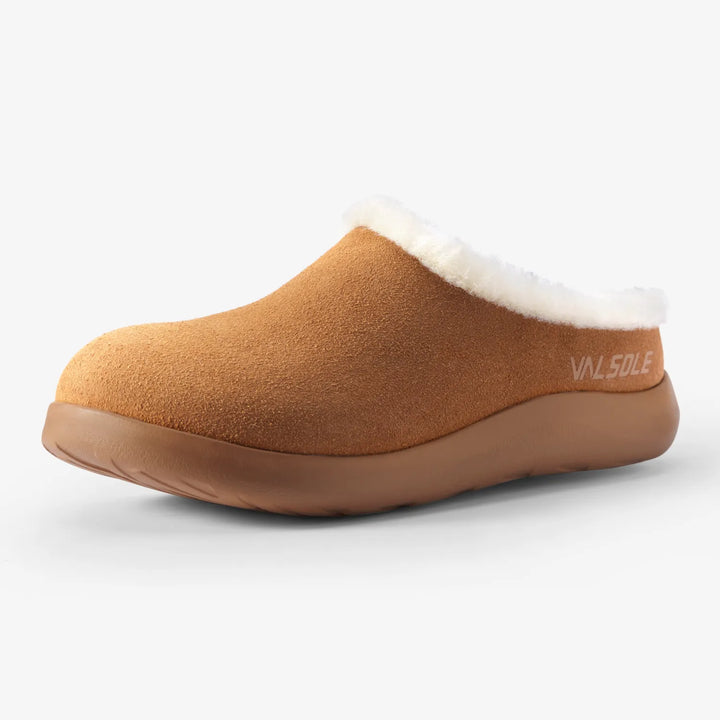
The Hearth Clog provides structured everyday stability and thermal comfort for users 220 lbs+,...
$69.99$89.99
View product

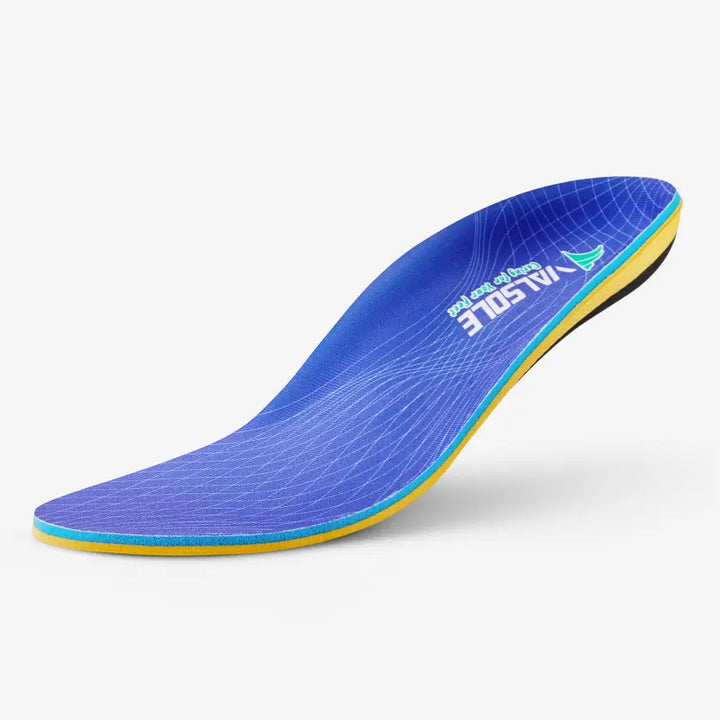
To reduce musculoskeletal fatigue while standing all day on concrete, your insoles must combine contoured arch support and high-rebound cushioning. Standing on hard, unyielding floors causes continuous static load on your feet, leading to heel discomfort and leg fatigue. Biomechanical studies suggest that full-length support insoles redistribute plantar pressure more effectively than localized foam cushions. Look for insoles featuring a semi-rigid nylon support shell to hold the arch steady and dual-density PU or EVA cushioning to absorb floor impact forces.
Concrete is one of the most unforgiving surfaces for the human foot. Unlike natural terrain, concrete has zero shock-absorbing capacity. When you stand or walk on concrete all day, your foot's natural fat pad compresses completely, transferring body weight directly to the heel bone and metatarsal heads. This static loading restricts local blood flow and increases muscle fiber recruitment in the lower leg to maintain balance, resulting in a feeling of deep soreness and fatigue. Providing a contoured interface helps bridge the gap between your flat foot and the hard ground.
When selecting insoles for prolonged standing shifts on hard surfaces, evaluate these three primary criteria:
| Comfort Feature | Standard Flat Shoe Insole | Anti-Fatigue Work Insole |
|---|---|---|
| Arch Support | None (collapses under load) | Firm (semi-rigid nylon shell) |
| Material Density | Low (thin memory foam) | High (viscoelastic PU or EVA) |
| Pressure Offloading | Poor (concentrates on heel/ball) | Excellent (redistributes across arch) |
A systematic review published in Applied Ergonomics (PMID: 29866322) evaluated cushioned shoe insoles for standing fatigue. The research concluded there is moderate evidence that cushioning materials help reduce musculoskeletal fatigue and discomfort during prolonged standing. By altering foot posture and facilitating minor changes in loading coordinates, structured insoles help reduce continuous muscle tension in the lower limbs, making them a practical, mobile alternative to stationary anti-fatigue mats.
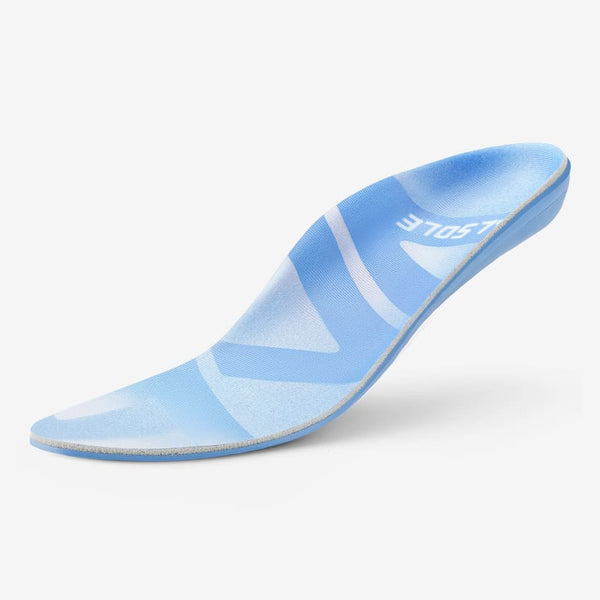
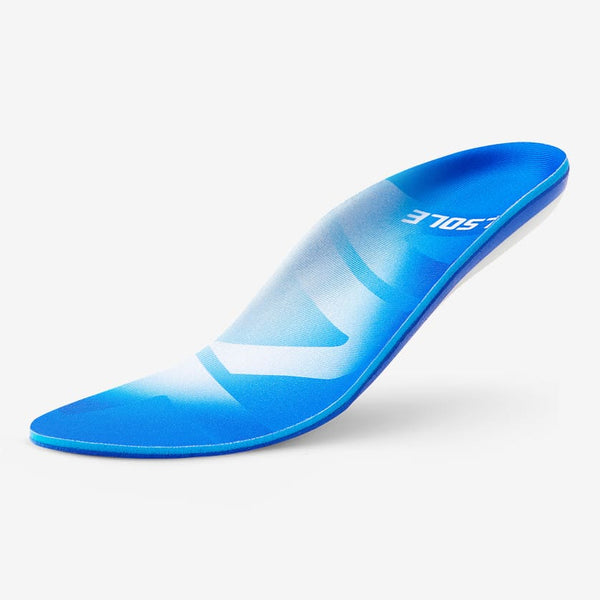
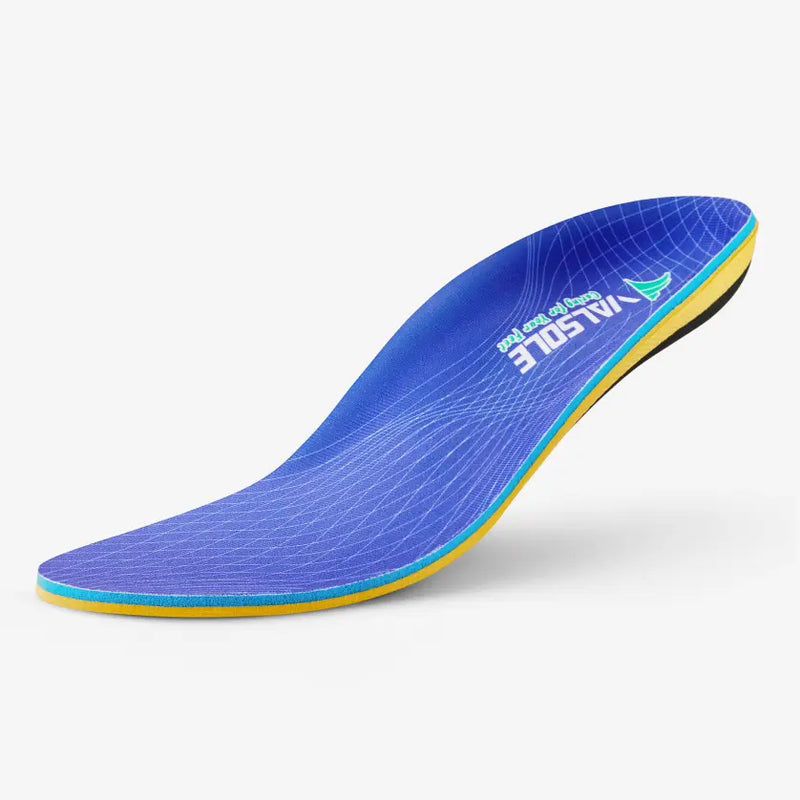
Upgrading your underfoot support is a practical, non-invasive way to manage daily work fatigue on concrete floors. Shoppers can explore the dedicated VALSOLE Heavy Duty Support Insole, which features robust arch guidance and deep heel stabilization designed for long standing shifts. For a complete footwear solution, the slip-resistant VALSOLE Hearth Clog combines a contoured footbed with a thick, shock-absorbing midsole, perfect for concrete environments. To find the optimal insert for your foot structure, visit the VALSOLE Quick Match Guide.
A burning sensation is often caused by concentrated pressure points on the ball of the foot or heel, combined with friction and heat buildup. Contoured insoles help by redistributing weight across the entire foot surface.
Memory foam is generally too soft and collapses completely under body weight, leaving your feet flat against the hard sole of the shoe. Dense, high-rebound materials like PU or EVA are much more effective for prolonged support.
If you experience sudden, severe, or chronic lower extremity pain, swelling, or numbness, please consult a qualified healthcare professional or podiatrist for a personalized assessment.
Shop the products most relevant to the support path discussed in this article.

Keep reading with symptom-based guides and compare support options for your pain profile.


Loading size guide…


