


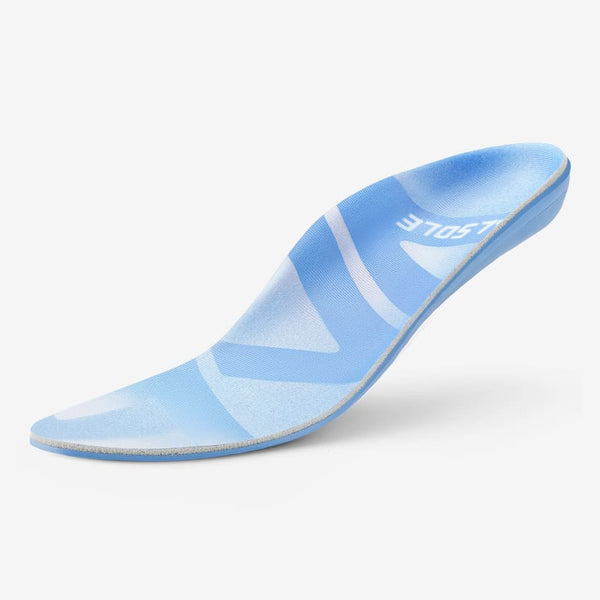
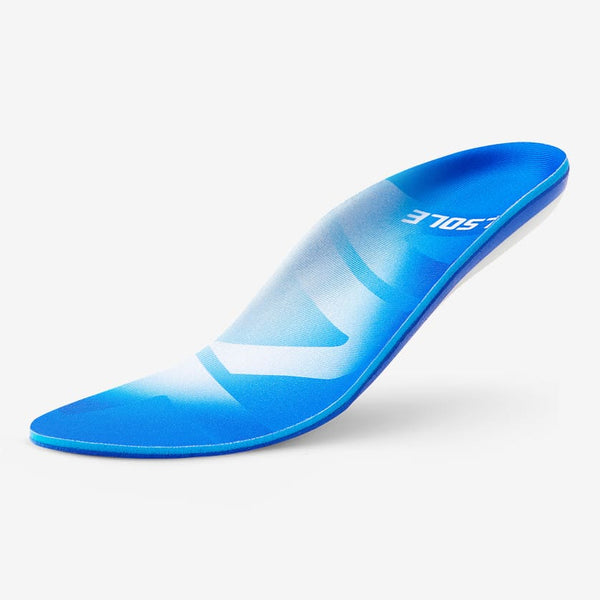
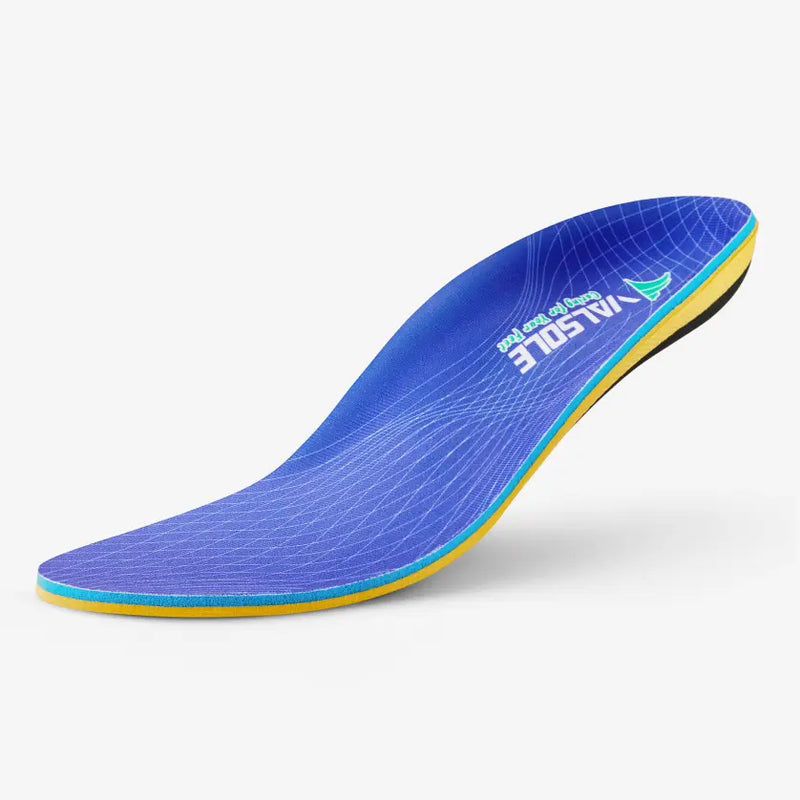


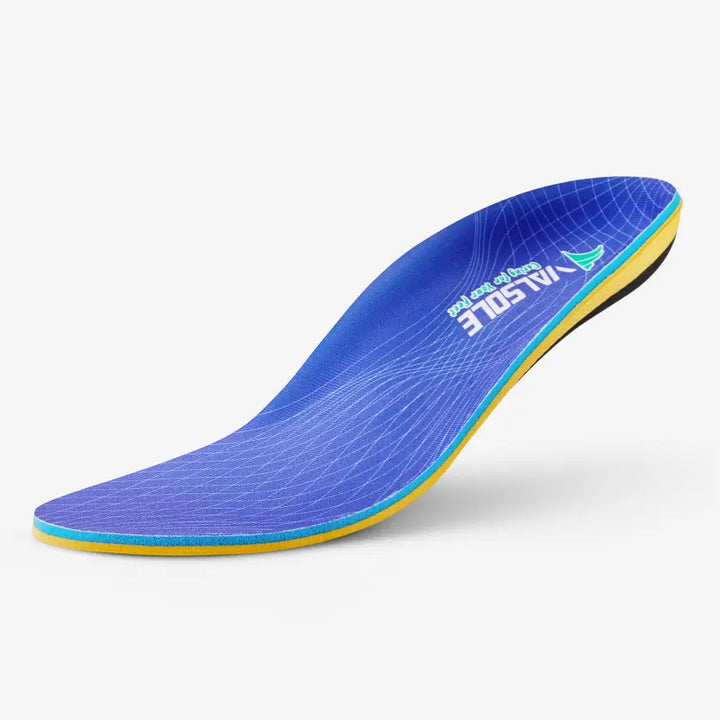
Heavy Duty
Heavy Duty is VALSOLE's firmer in-shoe support path for long standing, work boots, and...
$35.98$39.99
View product


A mixed walking-and-standing day calls for an insole that sits flat in your usual shoes, leaves comfortable toe room, and stays secure at the heel when you turn and walk. Start with your shoe type and the part of the day that creates the most load—not with a universal “soft” or “firm” label.
For a current range of options and sizes, begin with the VALSOLE insole collection. If you use roomy closed shoes or work boots and prefer a firmer support feel, compare Heavy Duty against its current product-page sizing and availability before ordering.
This is a VALSOLE selection guide, not an independent product ranking or a controlled wear-test result. Use it to narrow your choices, then check the product instructions and fit before committing to a full workday.
| Typical day | Check first | Next step |
|---|---|---|
| Walking and standing both occur throughout the day | Whether the replacement sits flat, leaves toe room, and keeps the heel secure while turning | Compare current options in the insole collection by your shoe type and size. |
| Roomy work boots or closed shoes; preference for a firmer support feel | Whether the original liner can be replaced and the new setup remains comfortable at the toe box and heel | Review Heavy Duty and its current size availability. |
| Concrete or another hard floor is the clearest variable | Your work shoe, the balance of static standing and walking, and actual shoe room | Use the concrete-floor insole collection rather than treating every standing day as the same. |
There is no universal rule that six, eight, or twelve work hours require a particular model. Duration provides context, but it does not tell you whether an insert fits your shoe or its contour matches your foot.
Softness can feel appealing at first contact but does not answer whether the combination fits. Confirm that the insert does not crowd the toe box, that the heel stays secure, and that the shoe itself is still in usable condition. A firmer arch contour is not automatically a better match if it creates a concentrated pressure point.
For days that mix walking with longer static blocks, compare the setup in the shoes you actually use. Short walks can add up, but a checkout counter, packing lane, school corridor, warehouse route, or service floor can each create a different fit requirement.
In sneakers: check the removable liner and the space above your foot. If a replacement makes the toe box or laced upper tight, extra cushioning is not a reason to keep that setup. Check each pair separately rather than assuming that the same labeled size means the same interior fit.
In work boots: check heel hold and footbed shape as well as length. A boot can look roomy but still have limited space above the foot. Use the work-boot fit guide for that selection route.
When comparing a comfortable setup over similar days, record the shoes, socks, surface, and any fit issue. Change one item at a time. This is a personal fit check, not a clinical test.
If hard-floor exposure is the clearest part of the problem, use the concrete-floor collection rather than treating every standing day as identical. For a detailed shoe check, read the concrete-floor work-shoe fitting checklist.
Compare Heavy Duty only if its current size, availability, and fit guidance suit your closed shoes or boots. Check delivery and return details on the product page before ordering.
Possibly, if the insert fits your shoes and feels comfortable in both activities. Check standing and movement separately; success in one does not establish success in the other.
Not automatically. Compare shoe room, support preference, and your work routine rather than assigning a model to a fixed number of hours.
Stop using a setup that causes new pain or numbness. Persistent or unexplained symptoms should be assessed by a qualified healthcare professional; seek prompt assessment for sudden or severe symptoms. Insoles are not a substitute for diagnosis or individualized care.
Shop the products most relevant to the support path discussed in this article.
Keep reading with symptom-based guides and compare support options for your pain profile.


Loading size guide…


