




Recovery Slide
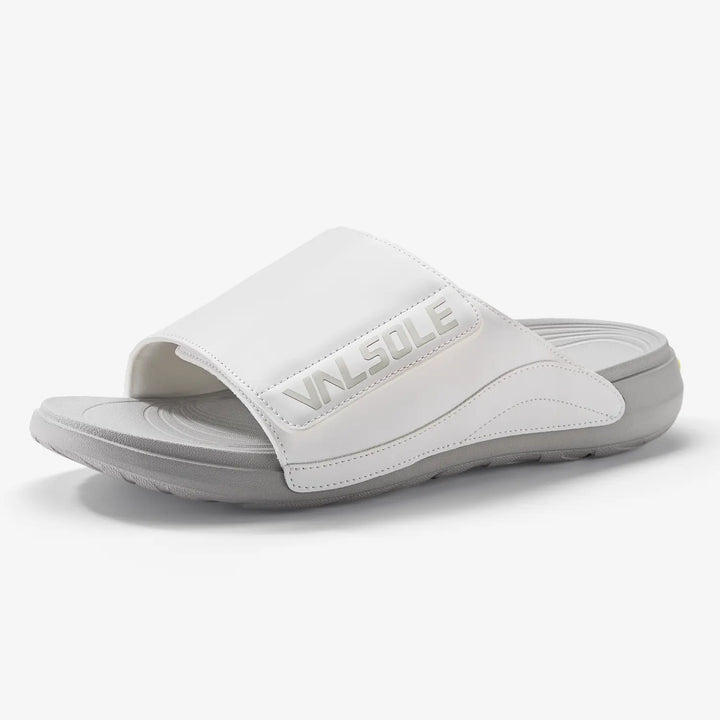
The VALSOLE Recovery Slide is engineered for everyday relief, combining ergonomic support with lightweight...
$69.99$109.99
View product


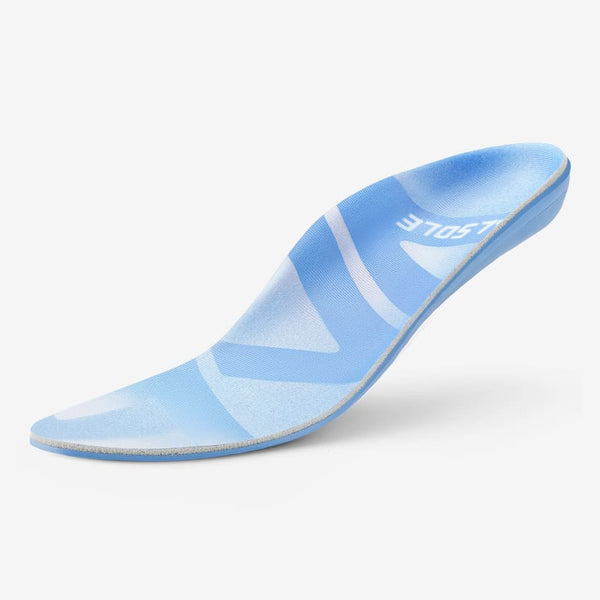
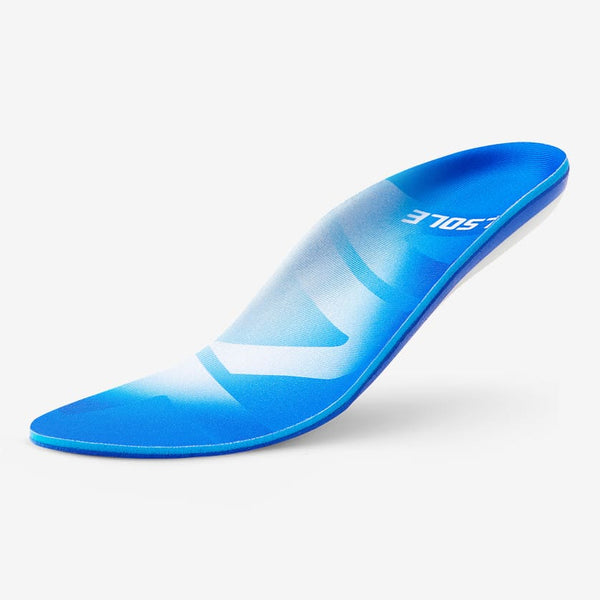
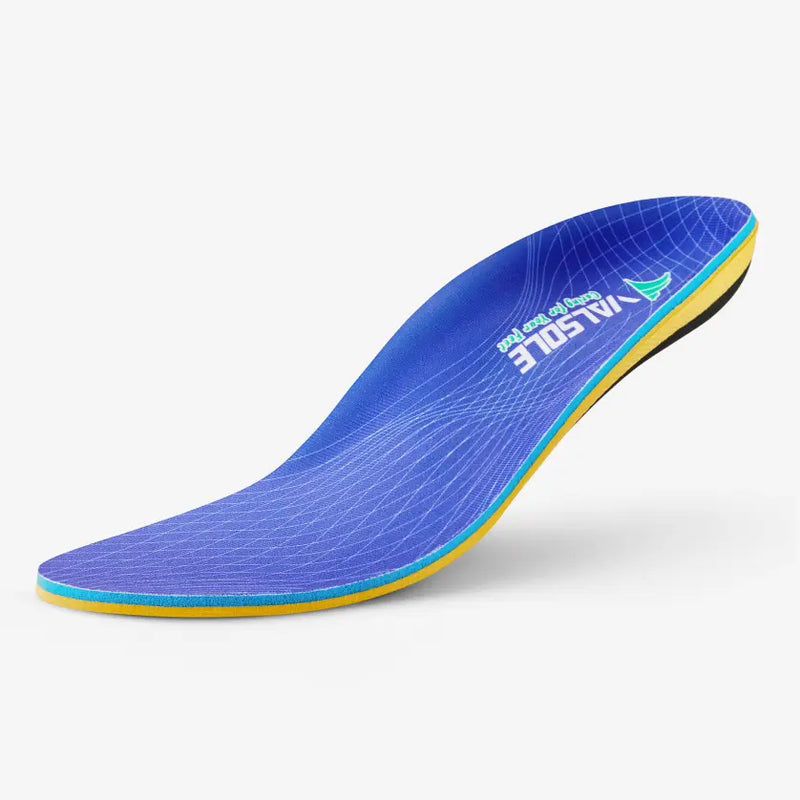
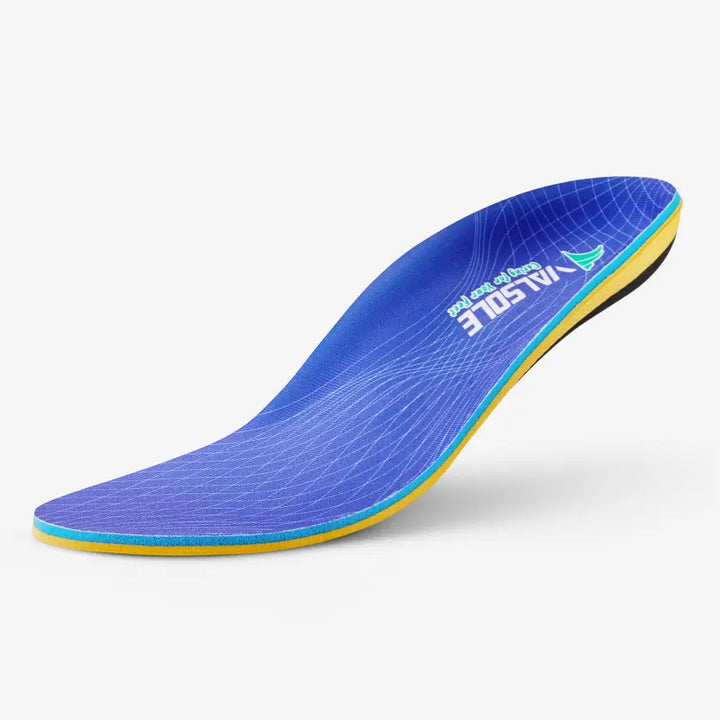
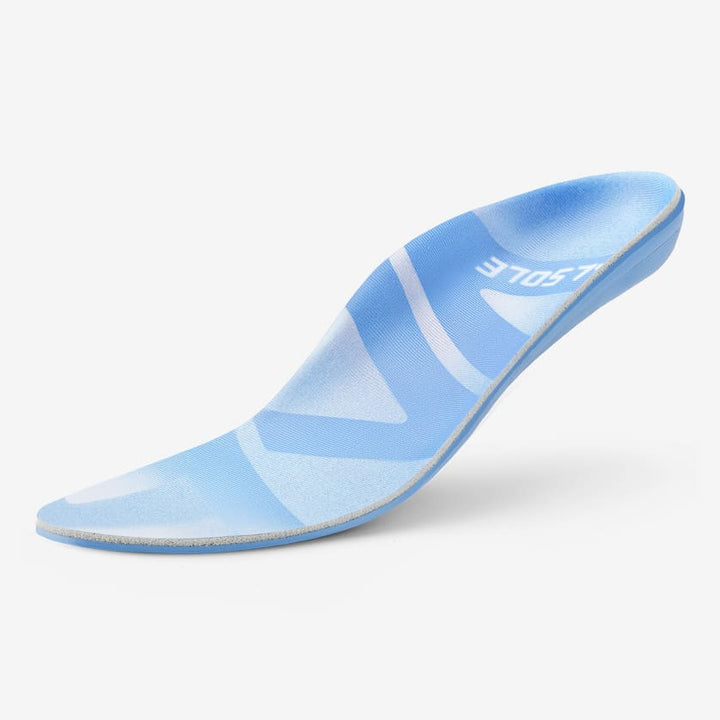
The best insoles for foot pain are usually the ones that match the pain pattern, shoe volume, and daily load instead of simply feeling soft at first step. For heel pain or plantar fasciitis-style discomfort, look for firmer heel stability and arch support. For flat feet or long standing on hard floors, prioritize structure that keeps working after hours of wear. For high-load work shoes, a support-first option like Heavy Duty Insoles is often a better starting point than thin cushioning.
This is why the decision should start with symptom timing: morning heel pain, late-day arch fatigue, forefoot pressure, or soreness after standing all day.
Search interest in the best insoles for foot pain stays high because shoppers want a practical first step they can test quickly inside shoes they already wear. Most people are not starting from a clinical plan. They are starting from daily pain language: heel pain in the morning, arch fatigue after standing, soreness on concrete floors, or discomfort that builds late in a work shift. That is why structured OTC support keeps returning to the top of the decision path.
The demand is not only about comfort claims. It is about choosing a support path that can improve pressure control, walking confidence, and end-of-day fatigue without forcing shoppers into a complicated medical decision.
A fast comparison framework is symptom pattern, support structure, and shoe compatibility. If heel pain is the main issue, start with heel stability and arch support, then cross-check the Plantar Fasciitis Relief path. If flat feet or overpronation are the issue, compare whether the arch support remains stable without crowding the shoe; the Flat Feet Support and Overpronation Support Guide pages can help narrow that decision. If pain is mostly from standing all day, the Standing All Day Support Guide should be the next reference.
In short, shoppers should compare what the insole does after hours of wear, not only how it feels in the first five minutes.
The most common mistake is buying by softness alone. Soft cushioning can feel good in the first few minutes, but if heel stability is weak or arch support collapses by late day, the profile may be too soft for the user's load. The second mistake is ignoring shoe volume. If support feels correct but forefoot crowding increases, the shoe may not have enough room for that insole. Better outcomes come from solving support and fit together.
A practical test is to compare morning comfort, late-day fatigue, and next-day soreness for one full week. That gives shoppers a clearer signal than a quick try-on.
For many users, the fastest setup is to split support into work phase and recovery phase. During work hours, a firmer in-shoe path like Heavy Duty Insoles can improve stability inside work shoes, sneakers, and boots. After work, a recovery layer like Recovery Slide can reduce carryover soreness on hard floors. For lighter daily support rotation, Propel Flip is often used as a lower-load sandal option.
This routine works because each product path has one clear job, which usually improves consistency and reduces trial-and-error switching.
For the next step, start with the Foot Pain Relief Guide for symptom-to-support mapping, use the Insoles Complete Guide to compare support types, cross-check condition detail in Pain: Plantar Fasciitis and Pain: Flat Feet, then compare real options in the support collection once your use case is clear.
Shop the products most relevant to the support path discussed in this article.
Keep reading with symptom-based guides and compare support options for your pain profile.


Loading size guide…


