




Recovery Slide
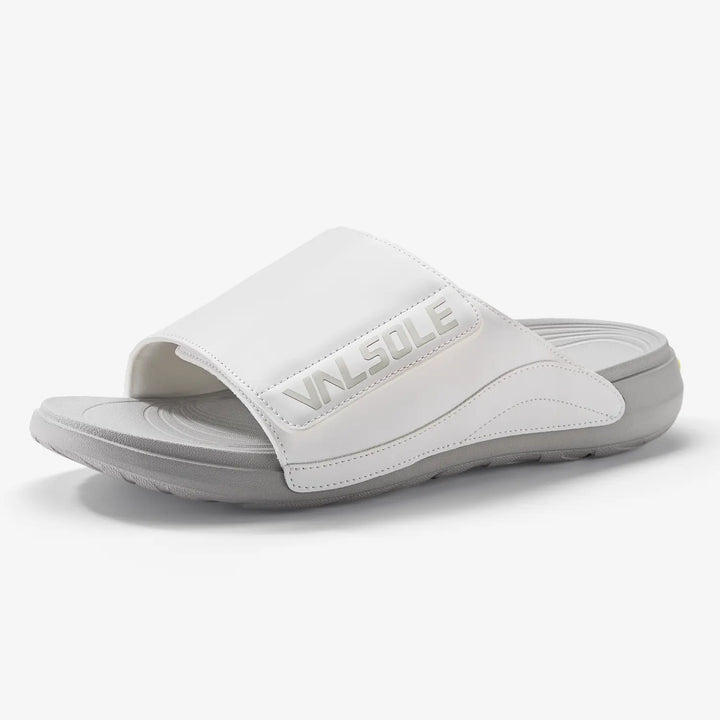
The VALSOLE Recovery Slide is engineered for everyday relief, combining ergonomic support with lightweight...
$69.99$109.99
View product

Barefoot grass walking may help some people with plantar fasciitis rebuild intrinsic foot strength, but it is not a shortcut and it is not right for every stage of pain. If your heel pain is sharp, morning steps are severe, or barefoot walking makes symptoms worse the next day, wait and focus on calmer support first. If symptoms are stable and you can tolerate gentle loading, starting with 3-5 minutes on safe, soft grass may be a reasonable late-rehab experiment.
The safest framing is not “barefoot fixes plantar fasciitis.” It is “natural-surface walking may be one small strengthening layer after the acute flare is controlled.”
A recent Reddit discussion in r/PlantarFasciitis described a user who had worn stable shoes and orthotics for a long period, then started short barefoot grass walks because they suspected weak intrinsic foot muscles and overpronation were part of the missing link. The useful insight is not that every person should copy the exact routine. The useful insight is that chronic plantar fasciitis shoppers are trying to understand when protection should give way to gradual strengthening.
That question matters for VALSOLE readers because many people move between the same phases: acute pain control, daily support, recovery footwear, foot strengthening, and cautious return to more natural movement.
The study often cited in this conversation is a prospective case series on barefoot running on grass for symptomatic plantar fasciitis. It followed recreational runners through a grass-based barefoot running program and reported lower pain scores at 6 weeks and 12 weeks. That is encouraging, but it is still limited evidence: the study was small, had no control group, and involved runners under a specific protocol rather than every person with heel pain.
So the practical takeaway is careful curiosity, not certainty. Grass may reduce harsh loading compared with hard surfaces, and barefoot movement may ask more from the foot's stabilizing muscles, but people with active pain still need gradual exposure and a clear stop rule.
The first decision is whether you are in a support phase or a strengthening phase. If your pain is flaring, if you limp, if the first steps out of bed are intense, or if barefoot time increases next-day symptoms, stay in the support phase. Start with the Plantar Fasciitis Relief page and the Foot Pain Relief Guide to stabilize the problem. If symptoms are calmer and predictable, then a very small dose of soft-surface barefoot walking may become a strengthening experiment.
A simple rule: the next morning decides whether yesterday was too much. If pain clearly rises the next day, reduce time or pause.
If you are ready to experiment, keep the dose almost boring: 3-5 minutes on clean, even, soft grass, then wait until the next day to judge the response. Do not start with running, long walks, hills, hard dirt, uneven fields, or barefoot time on concrete. Increase only if symptoms stay stable. People with diabetes, reduced foot sensation, open skin issues, or high injury risk should avoid barefoot outdoor walking unless a clinician clears it.
The point is to introduce foot work slowly enough that the tissue can adapt. The goal is not to prove toughness. The goal is to build tolerance.
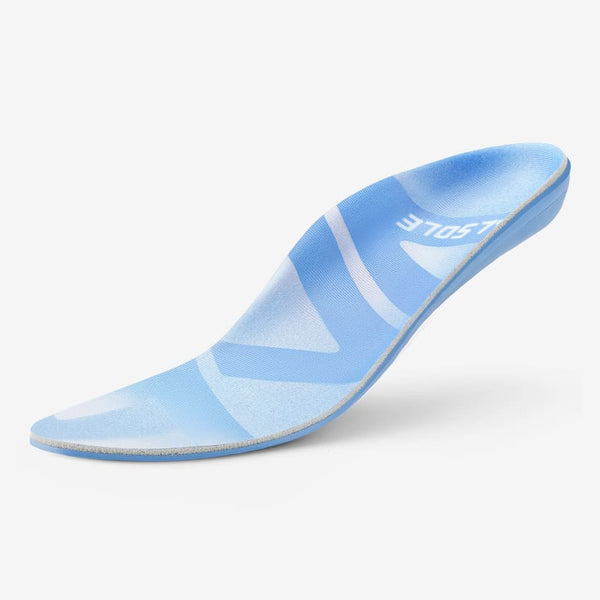
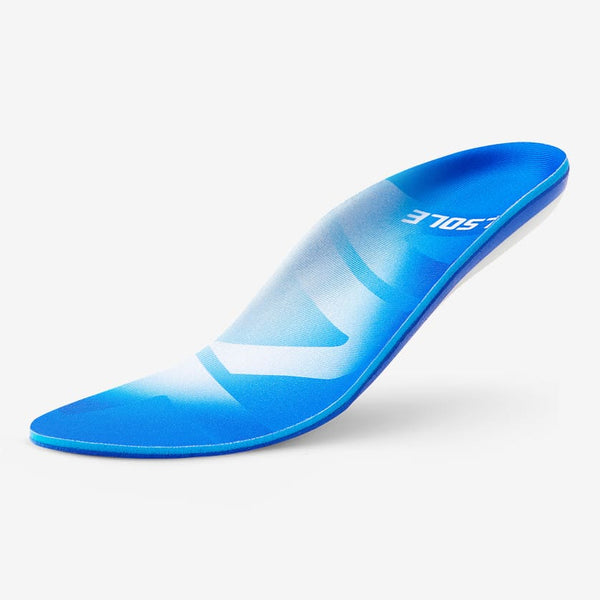
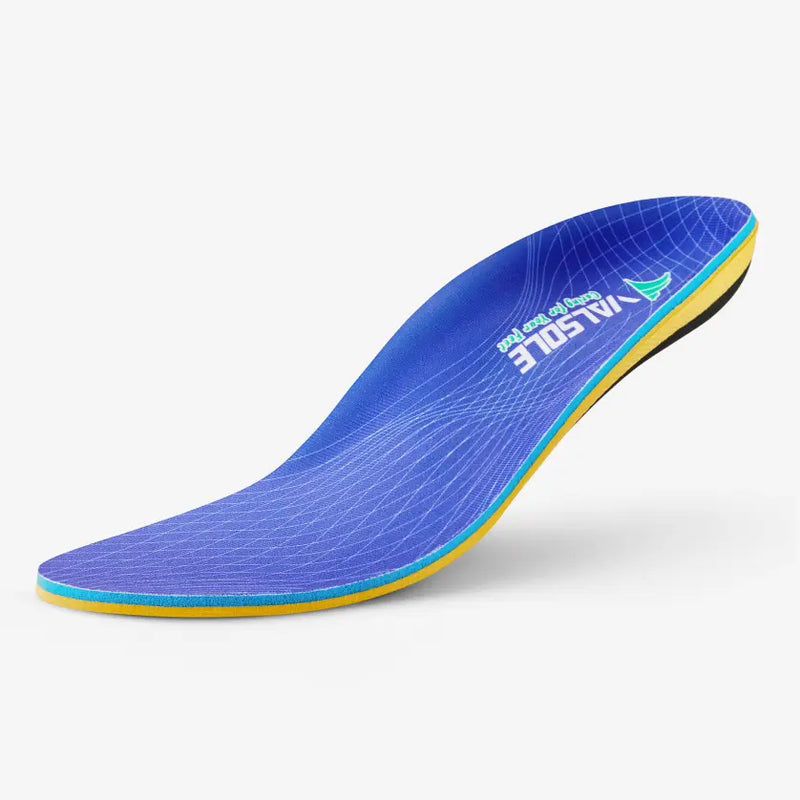
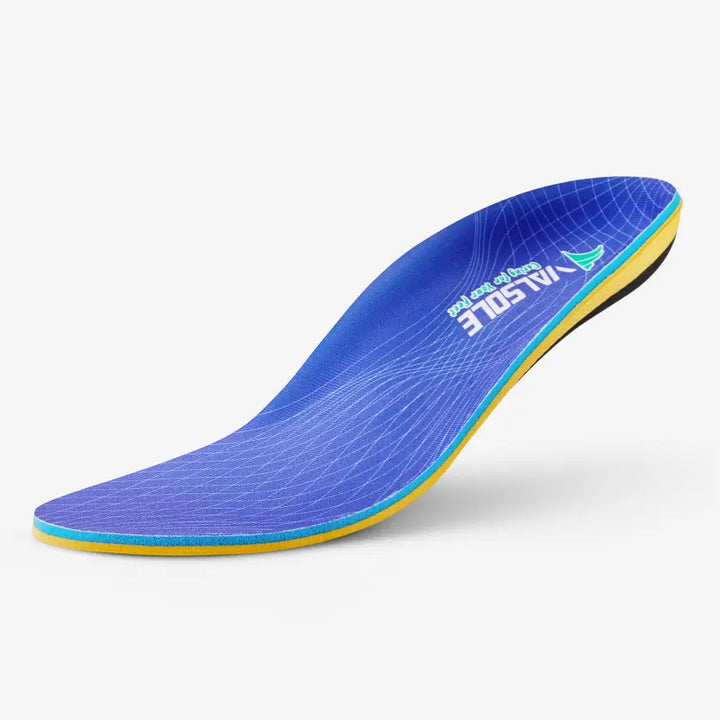
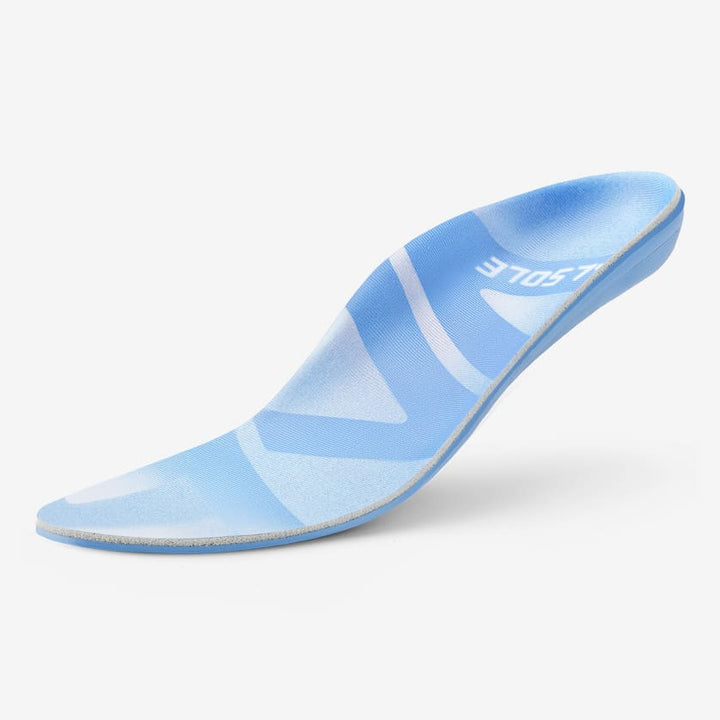
Support and strengthening are not enemies. During work hours or high-load walking, many shoppers still need structured in-shoe support such as Heavy Duty Insoles. After work, a recovery layer like Recovery Slide can reduce hard-floor stress while the foot calms down. Barefoot grass walking, if tolerated, belongs as a small training layer around that support plan rather than a full replacement for it.
This phased approach is especially useful for people who stand all day, walk on hard floors, or keep cycling between relief and flare-ups.
For the next step, use the Plantar Fasciitis Relief page for symptom-specific support, the Standing All Day Support Guide if hard-floor load is part of the problem, and the Insoles Complete Guide if you are comparing support levels. If after-work soreness stays strong, compare the Recovery Slide as a recovery layer before adding more barefoot time.
This article was informed by the r/PlantarFasciitis discussion Barefoot Grass Walking for Intrinsic Foot Strength, plus the case-series research article Barefoot Running on Grass as a Potential Treatment for Plantar Fasciitis. The research is promising but limited, and Reddit posts are individual experiences rather than clinical proof, so this article treats grass walking as a cautious rehab consideration, not medical advice or a guaranteed treatment.
Shop the products most relevant to the support path discussed in this article.
Keep reading with symptom-based guides and compare support options for your pain profile.


Loading size guide…


