


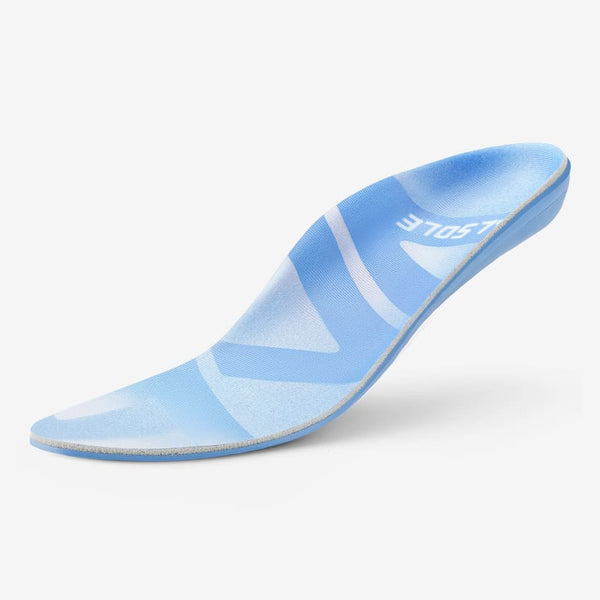
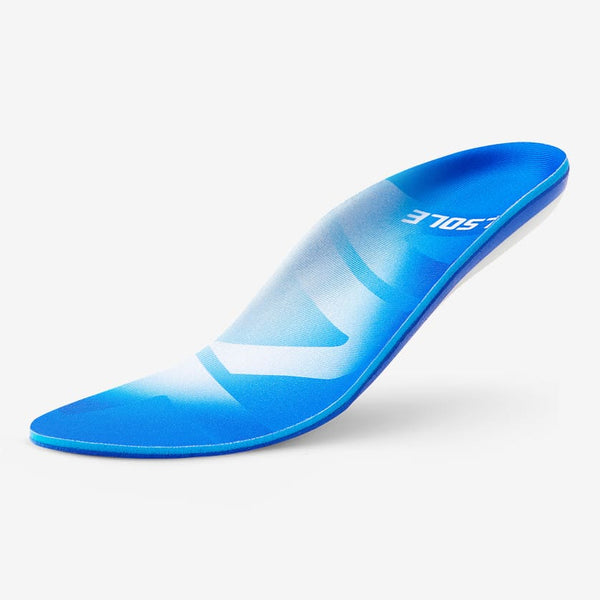
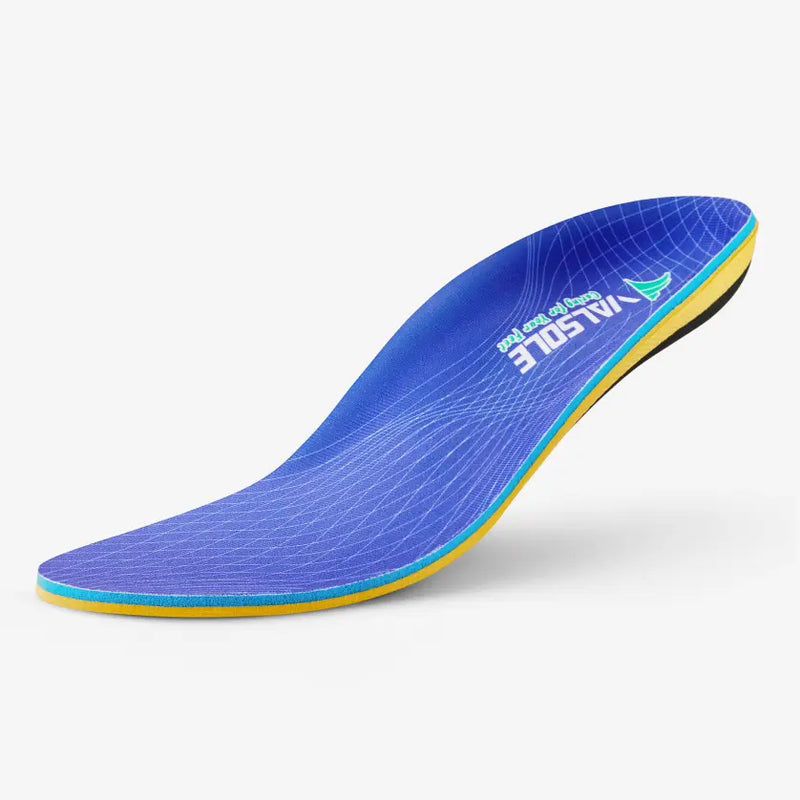


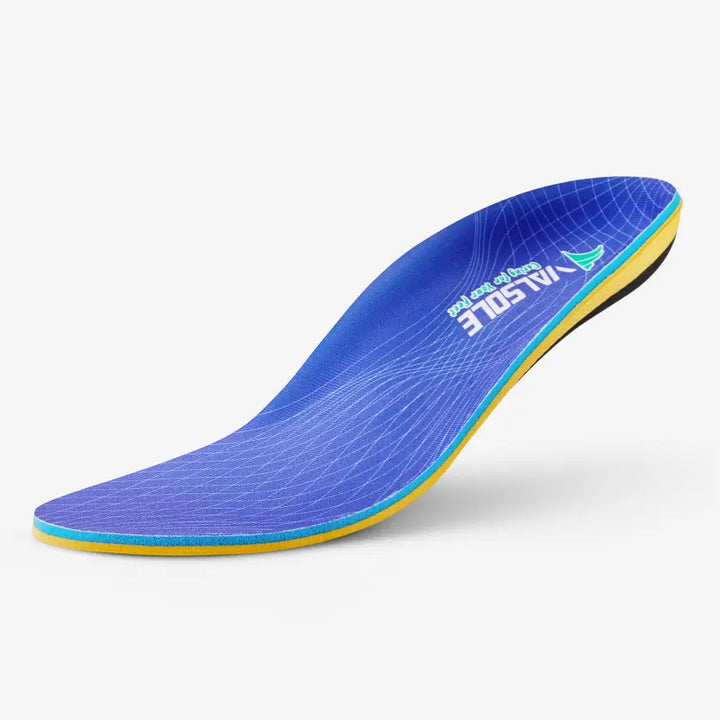
Heavy Duty
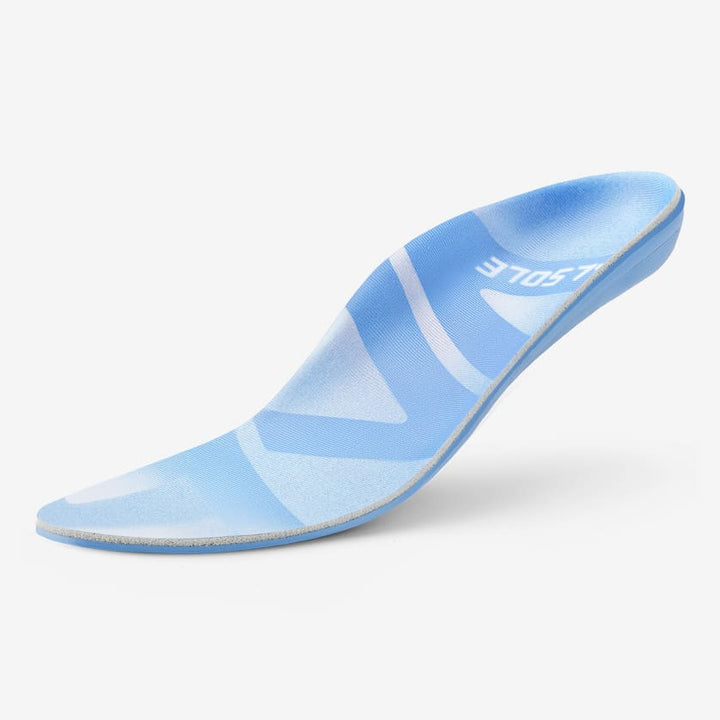
Heavy Duty is VALSOLE's firmer in-shoe support path for long standing, work boots, and...
$35.98$39.99
View product


The best plantar fasciitis insoles do more than add softness under the heel. They help reduce strain through the arch, improve support during long hours on your feet, and make daily walking feel more manageable. If heel pain keeps returning, the right insole can make a meaningful difference.
If heel pain keeps showing up in the morning, after long hours on your feet, or at the end of the day, the right insole can make a real difference. The best plantar fasciitis insoles do more than add softness under the heel. They help reduce strain through the arch, improve stability during walking and standing, and make everyday movement feel more manageable.
A lot of people assume heel pain only means they need more cushioning. That is not always true. In many cases, the real issue is a combination of repeated heel loading, arch strain, and support that does not hold up long enough through the day. That is why the best plantar fasciitis insoles usually balance cushioning, arch support, and overall stability instead of focusing on softness alone.
The best plantar fasciitis insoles are the ones that reduce heel strain while keeping the foot more supported through daily walking, standing, and work. For most people, that means an insole should do three things well:
An insole that feels soft in your hand is not automatically the best one for plantar fasciitis. If it compresses too quickly, heel pain can come back because the foot loses the support it needs over time.

Plantar fasciitis pain often returns because the foot is being loaded the same way every day without enough support to reduce strain. The plantar fascia runs along the bottom of the foot and connects the heel to the forefoot. When that tissue is stressed again and again, pain often builds around the heel, especially after rest or after long periods of standing.
That is why some people feel the worst pain with their first few steps in the morning, while others notice it more during long workdays or after walking for hours. The pattern can vary, but the repeated issue is usually the same: too much strain, not enough support, and not enough stability in the setup.
This is one of the biggest areas of confusion. Cushioning can help reduce impact and make each step feel less harsh. Arch support can help reduce strain by keeping the foot more stable and better aligned during walking and standing.
For plantar fasciitis, the answer is usually not cushioning alone or support alone. The best result often comes from the right combination of both.
If the insole is too soft, the foot may sink too much and the support may fade as the day goes on. If the support feels too aggressive, the foot may feel uncomfortable in a different way. The goal is not maximum firmness or maximum softness. The goal is support that feels useful for real daily wear.

If you are comparing options, focus on these features first:
A good insole for plantar fasciitis should still feel helpful after hours on your feet, not just during the first few minutes.
If you stand for long hours, support retention matters more than first-touch softness. A more stable insole usually works better than a very soft one that compresses too quickly.
If your day includes steady walking, you usually need a balance of heel cushioning and arch support. The setup should feel comfortable while moving, not just while standing still.
In work footwear, support and fit both matter. If the shoe is already snug, the wrong insole can create crowding. If the setup is too soft, fatigue may build faster over a long shift.
The best way to judge an insole is not how it feels in the first minute. It is how your foot feels after several real days of use.
Track these signs:
A good result usually shows up as a more stable comfort pattern across several days, not one unusually good day.
The most common mistakes are:
Sometimes the insole is not the only problem. If the shoe itself is unstable, too worn down, or too tight, even a better insole may only partly improve comfort.
Not always.
The same insole can feel different depending on whether it is placed in a sneaker, work shoe, or boot. Internal volume, heel shape, and overall shoe stability all affect how well the insole works.
That is why fit matters almost as much as support. Before deciding an insole is wrong, check whether the shoe has enough room and whether the shape works with your foot.

The best plantar fasciitis insoles do more than cushion the heel. They help reduce repeated strain, improve support through the arch, and stay comfortable through real daily wear.
If heel pain keeps coming back, look for an insole that balances cushioning, stability, and support instead of chasing softness alone. The right setup can make standing, walking, and work feel much more manageable over time.
For next steps, compare the Heavy Duty Insole for stronger support, look at the Stable Support Insole for a more balanced everyday option, use the Size Guide to check fit, and review the FAQ if you still have questions before choosing.
Shop the products most relevant to the support path discussed in this article.

Keep reading with symptom-based guides and compare support options for your pain profile.


Loading size guide…


