


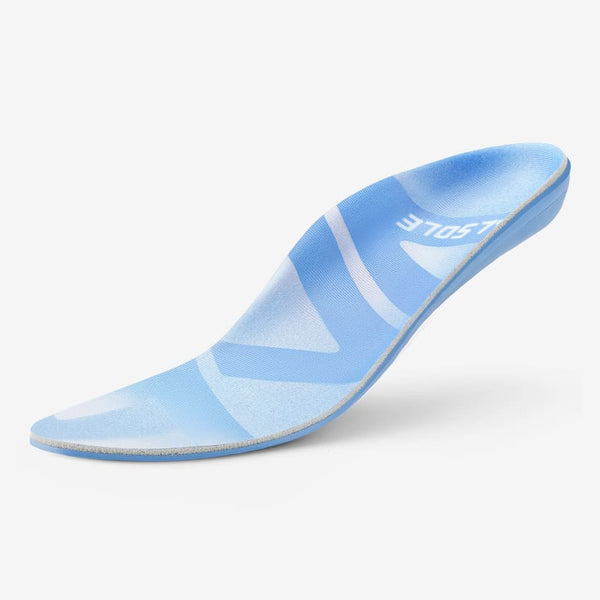
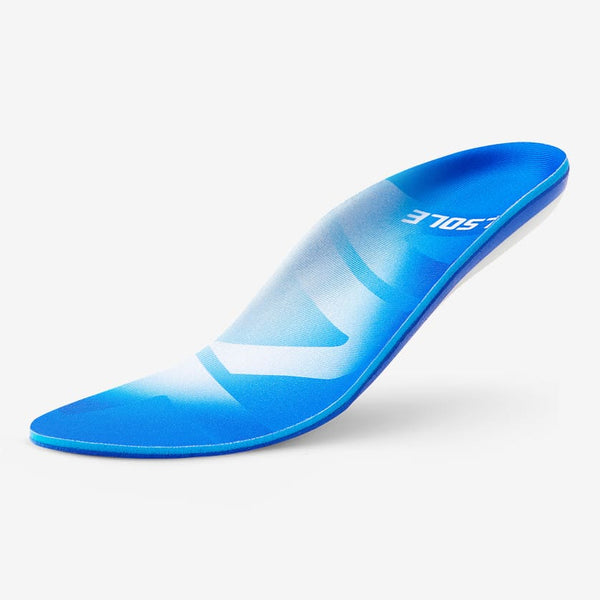
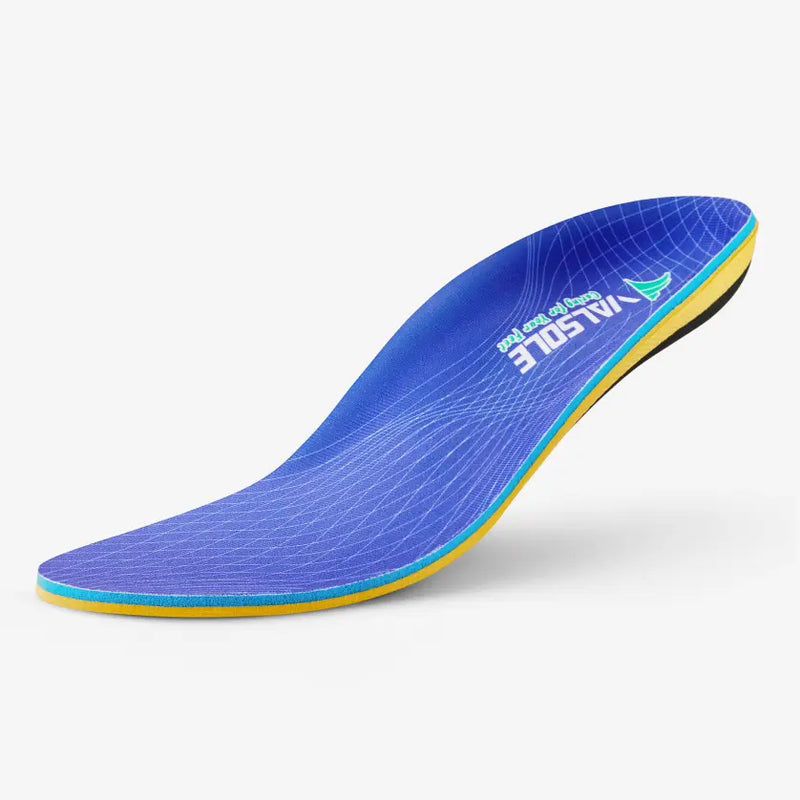


Stable Support
Built to deliver firm, reliable support with enhanced foot alignment and superior heel stability.
$37.99$39.99
View product


Dress shoes are designed for refinement and structure, yet their rigid construction often limits underfoot cushioning and pressure distribution. This article examines how insoles compensate for the inherent constraints of formal footwear by introducing structured support, redistributing plantar pressure, and attenuating repetitive micro-impacts. Drawing on principles of biomechanics and material science, the discussion explores how low-profile, durable insoles enhance comfort without compromising fit or aesthetics. Special attention is given to Valsole insoles and their suitability for long hours of wear and higher load demands. When thoughtfully selected and integrated, insoles transform dress shoes from visually polished yet fatiguing footwear into balanced, supportive companions for professional life.
Rigid Construction and Minimal Cushioning
Dress shoes are engineered for appearance and structure. Clean lines, firm leather outsoles, and narrow silhouettes create a refined visual impression, yet they often omit meaningful underfoot cushioning. Unlike casual or athletic footwear, dress shoes rely on rigidity to maintain shape. This rigidity, while elegant, allows impact forces to travel directly into the foot with minimal dissipation.[1]
Pressure Concentration and Fatigue Accumulation
When internal support is limited, pressure accumulates in high-load zones such as the heel and forefoot.[2] Over hours of wear, this uneven distribution accelerates fatigue and contributes to soreness that lingers beyond the workday.[3] The discomfort is rarely abrupt. It accumulates quietly, step by step.
Structural Support Beyond Soft Padding
Effective insoles do far more than add softness. They introduce internal structure that complements the foot’s natural contours[4], encouraging balanced load transfer and steadier alignment. Rather than collapsing under pressure, well-designed insoles maintain their shape, offering consistent support within an otherwise uncompromising shoe.
Pressure Redistribution and Micro-Shock Attenuation
By redistributing plantar pressure and moderating micro-impacts[5], insoles reduce stress concentration at key contact points. Each step feels less abrupt. Movement becomes smoother, more composed. Over time, this reduction in cumulative stress translates into noticeably improved comfort.
Slim Profiles and Low-Volume Engineering
Dress shoes leave little margin for excess bulk. Insoles designed for formal footwear must be thin, precise, and dimensionally disciplined. A low-profile design ensures the shoe retains its intended fit while still delivering meaningful support beneath the foot[6]
Materials, Breathability, and Durability Considerations
Material choice defines performance. High-density foams, resilient support shells, and breathable top fabrics work together to manage pressure, control heat, and preserve longevity[7]. An insole that deforms quickly undermines its purpose. Durability is not optional—it is foundational.

Precision Support in a Discreet Form
Valsole insoles are engineered with a clear understanding of real-world wear demands. Their low-profile construction allows them to integrate seamlessly into dress shoes without crowding the toe box or altering the shoe’s silhouette. Beneath that slim exterior lies a structured support system designed to stabilize the foot and distribute pressure efficiently.
Built for Long Hours and Higher Load Demands
What sets Valsole apart is its emphasis on robust, dependable support. Reinforced arch structures, contoured heel cradles, and durable cushioning materials work together to sustain comfort during prolonged standing or walking. For individuals who spend long hours in formal footwear—or who place greater load demands on their shoes—Valsole insoles offer a measured balance of firmness and comfort that dress shoes alone rarely provide.
Enhanced Comfort Without Compromising Style
One of the most compelling advantages of adding insoles is their invisibility. Valsole insoles operate discreetly, improving underfoot comfort while preserving the polished appearance of dress shoes. The result is a refined exterior paired with a markedly more forgiving internal experience.
Adaptation Periods and Long-Term Wear
As with any supportive insert, a short adjustment period may occur[8]. This reflects the foot adapting to improved alignment and support. With continued wear, comfort becomes more consistent, fatigue diminishes, and long days feel noticeably more manageable.
Fit Adjustments and Sizing Nuances
For optimal results, existing sock liners can be removed to maintain proper interior volume. Insoles should sit flat, without curling or shifting, ensuring stable contact throughout the stride. Proper sizing preserves both comfort and shoe integrity.
Maintenance, Longevity, and Rotation
Allowing insoles to air out between wears helps maintain freshness and structural resilience. Rotating Valsole insoles across multiple pairs of dress shoes extends their lifespan and ensures consistent comfort across an entire professional wardrobe.
Insoles can decisively improve the comfort of dress shoes when design, materials, and structure align. By compensating for the inherent rigidity of formal footwear, they introduce balance, stability, and refined shock absorption. With thoughtfully engineered options such as Valsole insoles, comfort no longer competes with elegance—it complements it.
[1] Nigg, B. M. (2010). Biomechanics of Sport Shoes.
[2] Cavanagh, P. R., & Rodgers, M. M. (1987). The arch index: A useful measure from footprints.
[3] Winter, D. A. (2009). Biomechanics and Motor Control of Human Movement.
[4] Hicks, J. H. (1954). The mechanics of the foot: The plantar aponeurosis and arch support.
[5] Bonanno, D. R., et al. (2012). Effect of foot orthoses on plantar pressure.
[6] Mills, K., Blanch, P., & Vicenzino, B. (2010). Foot orthoses and lower limb mechanics.
[7] Verdejo, R., & Mills, N. J. (2004). Heel-shoe interactions and energy dissipation properties of cushioning materials.
[8] Perry, J., & Burnfield, J. (2010). Gait Analysis: Normal and Pathological Function.
[9] Cheung, R. T., & Ng, G. Y. (2007). Adaptation to foot orthoses and gait biomechanics.
Shop the products most relevant to the support path discussed in this article.
Keep reading with symptom-based guides and compare support options for your pain profile.


Loading size guide…


