




Recovery Slide
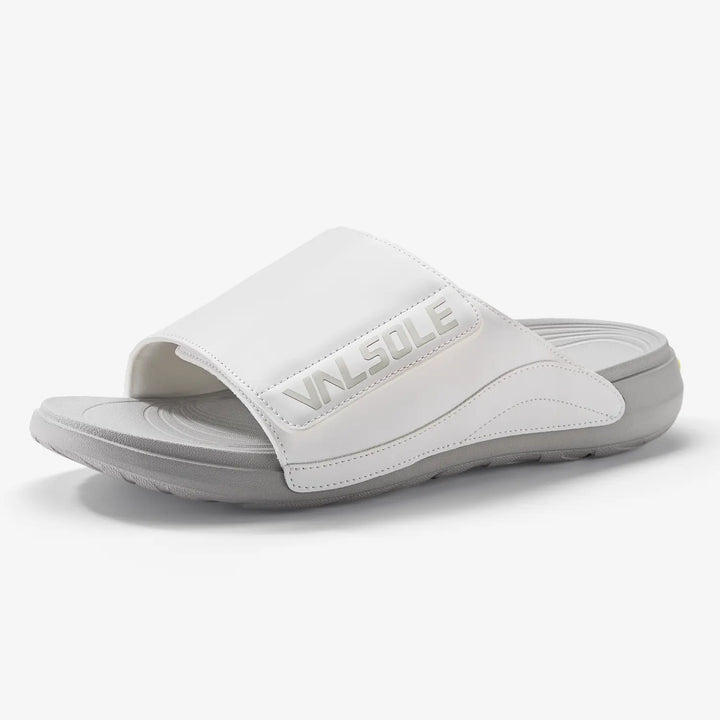
The VALSOLE Recovery Slide is engineered for everyday relief, combining ergonomic support with lightweight...
$69.99$109.99
View product

To support comfort during those first steps out of bed, underfoot support is critical. Barefoot walking on hard, flat floors forces the foot arch to flatten suddenly, placing excessive tension on the plantar fascia. Biomechanical guidelines suggest wearing structured indoor slippers or recovery slides featuring contoured arch support to stabilize the foot, a deep heel cup to reduce rearfoot movement, and viscoelastic cushioning to absorb impact forces, helping to prevent morning heel discomfort.
Many individuals experience their most significant underfoot discomfort during their first waking steps. During sleep or prolonged rest, the plantar fascia naturally contracts and shortens. Stepping directly onto unyielding hardwood, tile, or concrete floors forces the contracted tissue to stretch abruptly under full body weight. This sudden mechanical loading can make first steps feel more uncomfortable for some people. Providing a supportive, contoured layer directly underfoot upon waking gently cradles the arch, preventing excessive morning tension.
When selecting slippers or recovery slides for morning underfoot comfort, look for these three key structural features:
| Feature Profile | Standard Flat Slipper | Supportive Slipper / Slide |
|---|---|---|
| Arch Support | None (flat footbed) | Contoured (firm arch guidance) |
| Heel Stability | Low (flat heel area) | High (deep cup design) |
| Cushioning | Thin (fast compression) | Thick (viscoelastic rebound) |
Clinical trials indicate that mechanical support is most effective when paired with a daily stretching routine. Performing gentle calf and plantar stretches before stepping out of bed helps transition the contracted foot tissue into active loading. Once out of bed, immediately stepping into supportive house shoes or structured insoles maintains this support, offering a practical home-care setup that promotes daily mobility and comfort.
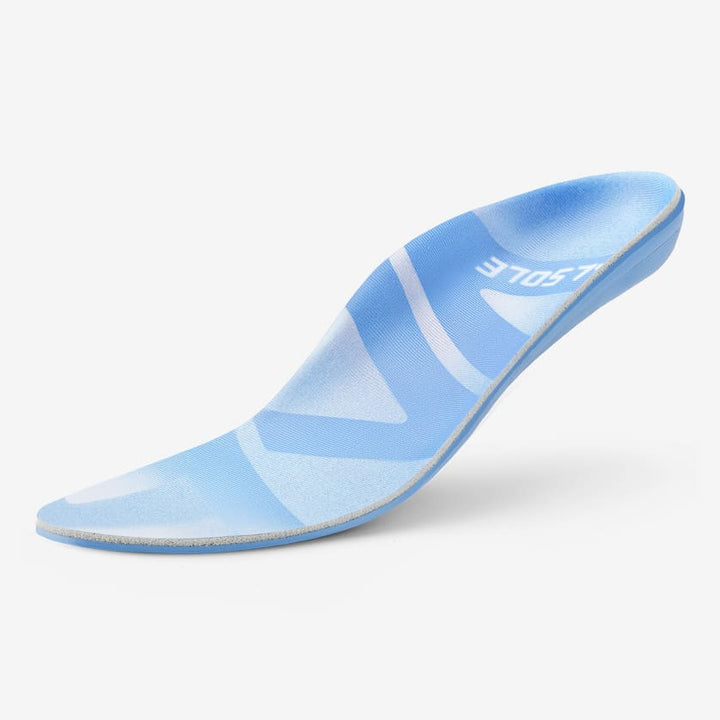
Upgrading your indoor footwear is an excellent, non-invasive way to support your daily foot comfort routine. Shoppers can explore the dedicated VALSOLE Plantar Fasciitis Slippers Collection to browse supportive indoor options. For a highly responsive cushioning profile that functions as an excellent bedside recovery option, the VALSOLE Recovery Slide provides thick, structured arch support to minimize underfoot pressure. To find the ideal fit for your specific foot structure, visit the VALSOLE Quick Match Guide.
It is generally better to avoid walking barefoot on hard floors, as flat surfaces do not provide any arch support, leading to excessive underfoot tension when weight-bearing.
Calf stretching helps reduce tension in the Achilles tendon and plantar fascia before you stand, making the transition to weight-bearing steps smoother and more comfortable.
If your foot discomfort is sudden, severe, persistent, worsening, or accompanied by swelling or numbness, please consult a qualified healthcare professional or podiatrist for a personalized assessment.
Shop the products most relevant to the support path discussed in this article.

Keep reading with symptom-based guides and compare support options for your pain profile.


Loading size guide…


