




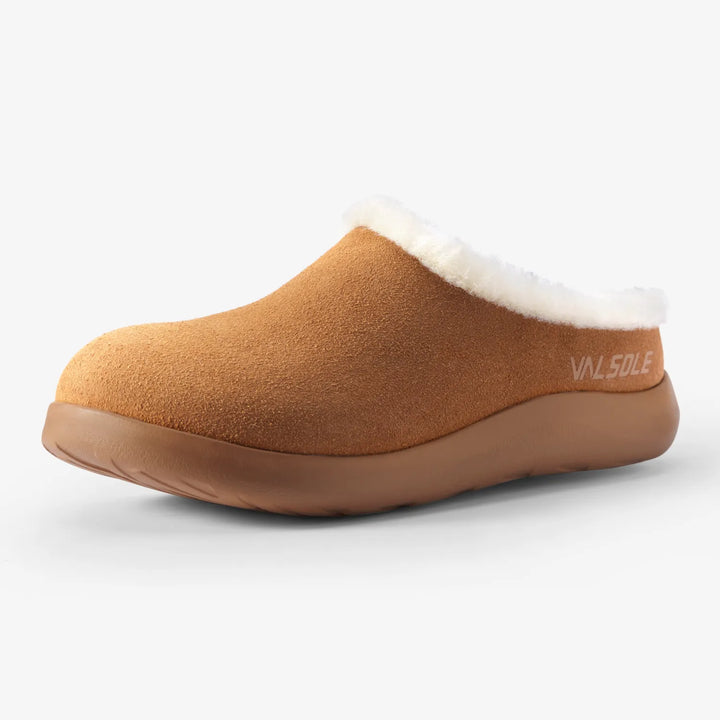
Hearth Clog
The Hearth Clog provides structured everyday stability and thermal comfort for users 220 lbs+,...
$59.99$89.99
View product


Orthotics for plantar fasciitis should match your pain pattern and shoe fit. The best option supports the heel and arch without creating new pressure.
Orthotics for plantar fasciitis can help when they support the foot in the right places, but the wrong shape can feel too aggressive or crowd the shoe. A good choice should reduce strain through the heel and arch while still allowing the foot to sit naturally inside the shoe.
The first question is not “Which orthotic is the firmest?” It is “Which support matches my pain pattern?”

Look for heel support if pain starts at the heel. Look for plantar fascia support if the first steps in the morning are the worst. Look for balanced arch support if your whole foot gets tired during long standing. Also check shoe volume, because an orthotic that is too thick can create top-of-foot pressure.
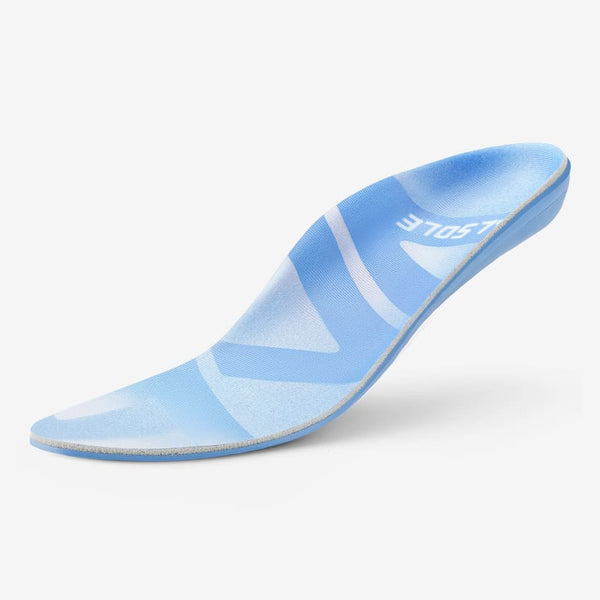
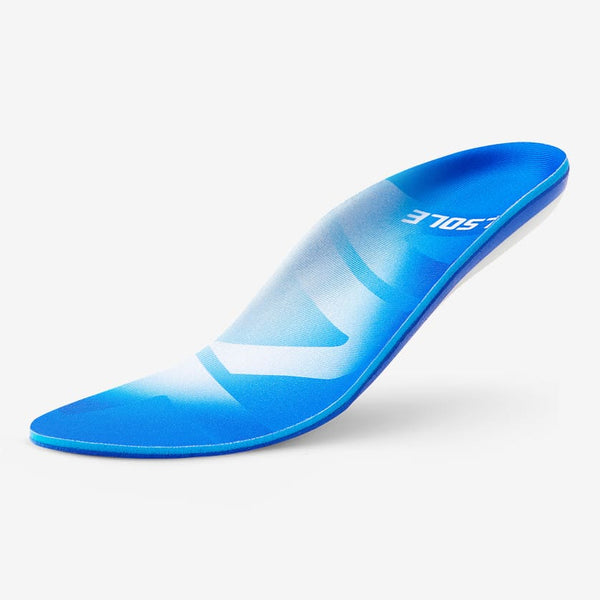
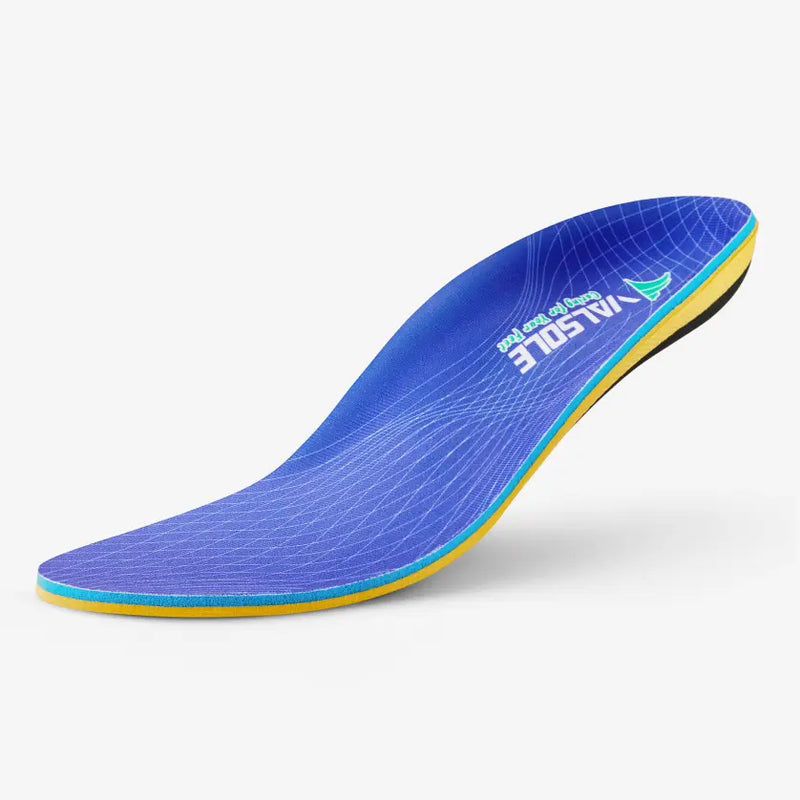
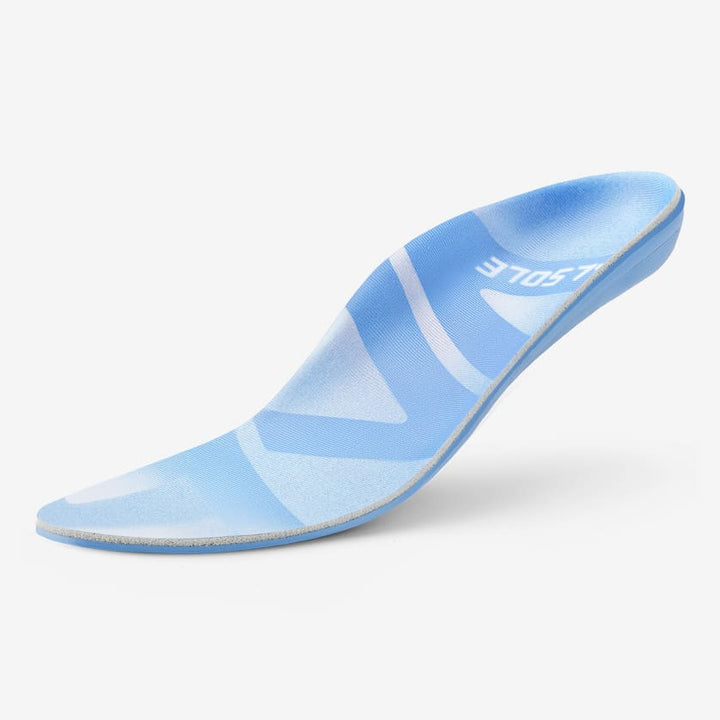
Fascia Soothe insole is the first choice for plantar-style morning pain. Heel Relief insole is better for heel-dominant symptoms. Stable Support insole makes sense when plantar pain is mixed with daily standing fatigue. Hearth Clog helps if pain returns during recovery at home.
No. Firmness only helps if the shape and support level match your foot and shoe.
Mild adjustment can happen, but sharp pain or numbness is a warning sign.
Often yes, depending on shoe volume. Check the Size guide first.
Choose plantar fasciitis orthotics by symptom pattern, not by stiffness alone. Start with Fascia Soothe insole for morning pain, Heel Relief insole for heel pain, and Stable Support insole for long standing fatigue.
Shop the products most relevant to the support path discussed in this article.

Keep reading with symptom-based guides and compare support options for your pain profile.


Loading size guide…


