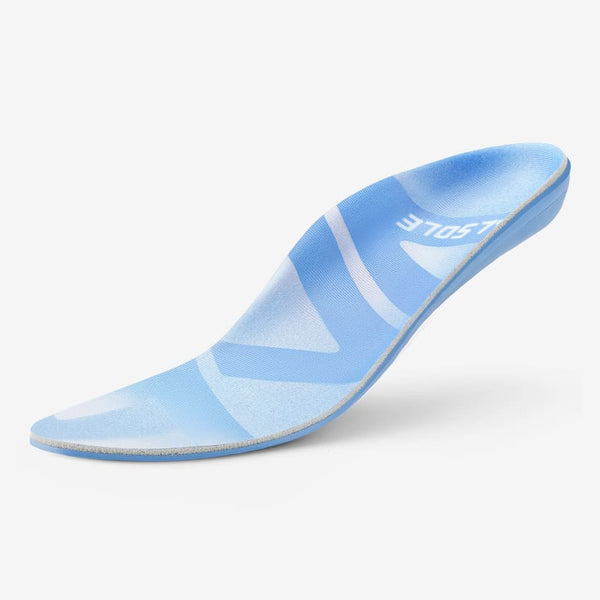
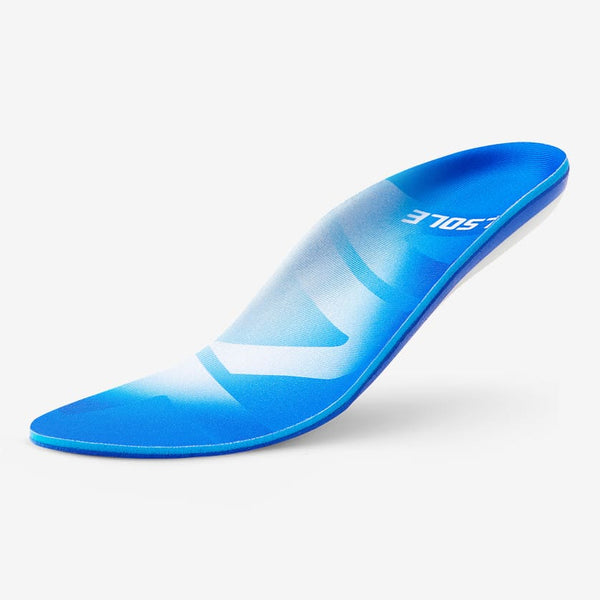
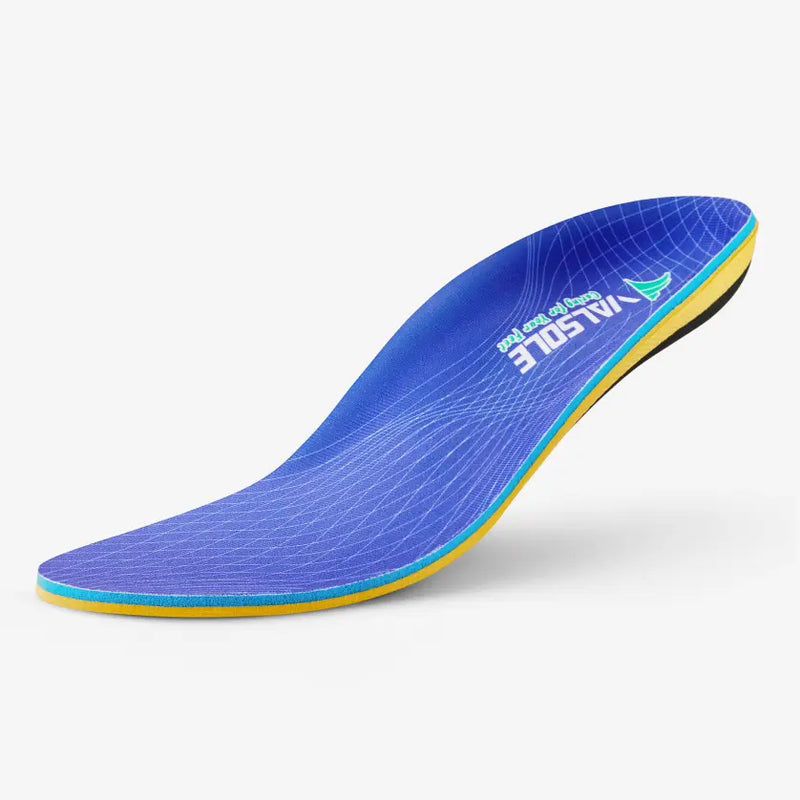


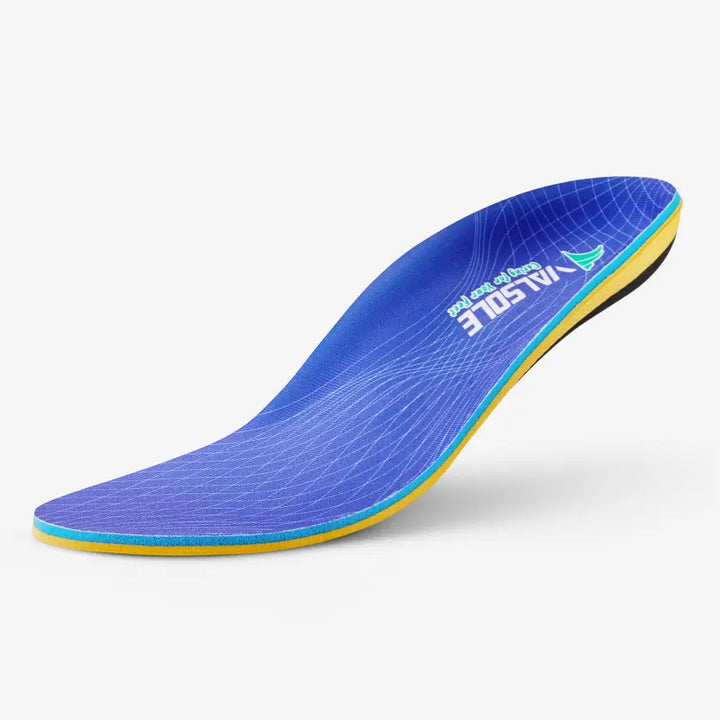
Heavy Duty
Strong arch support and pain relief for flat feet, plantar fasciitis, and heel pain....
$35.98$39.99
View product


Overpronation insoles should help the foot feel more stable without forcing an uncomfortable correction. The best choice depends on fatigue, alignment, and shoe fit.
Overpronation means the foot rolls inward more than ideal during standing or movement. Some people notice it as uneven shoe wear, arch fatigue, heel strain, or tired feet after long days. Overpronation insoles should support the foot toward better alignment without feeling like they are forcing the arch into an unnatural position.
The right choice depends on how much support you need and whether your shoes have enough room for an insole.

How to choose overpronation insoles
Pattern: Feet feel unstable during long standing
Main issue: Daily alignment support
Best starting point: Stable Support insole
Pattern: Work floors make fatigue worse
Main issue: Support needs more structure
Best starting point: Heavy Duty
Pattern: Heel pain appears with inward rolling
Main issue: Heel and alignment stress
Best starting point: Heel Relief insole
Pattern: Shoes feel crowded after adding support
Main issue: Fit conflict
Best starting point: Size guide
Product recommendation zone
Stable Support insole is the best first choice for everyday overpronation support. Heavy Duty makes sense when work demands are higher or support fades too soon. Heel Relief insole may help when heel pain is the clearest symptom. Always check fit if the shoe feels crowded.
FAQ
Do overpronation insoles need to be rigid?
Not always. Stable support matters more than extreme stiffness.
Can overpronation cause heel pain?
Yes, heel stress can build when alignment and support are off.
What if the insole feels too aggressive?
Break in gradually and check shoe volume.
CTA
Start with support that improves stability without creating new pressure. Choose Stable Support insole for daily alignment, Heavy Duty for tougher work demands, and Heel Relief insole for heel-focused symptoms.
Shop the products most relevant to the support path discussed in this article.


Keep reading with symptom-based guides and compare support options for your pain profile.


Loading size guide…