




Strong fit
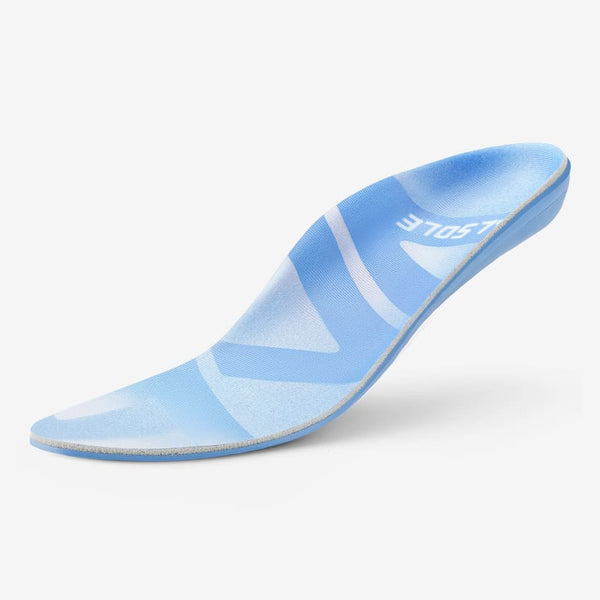
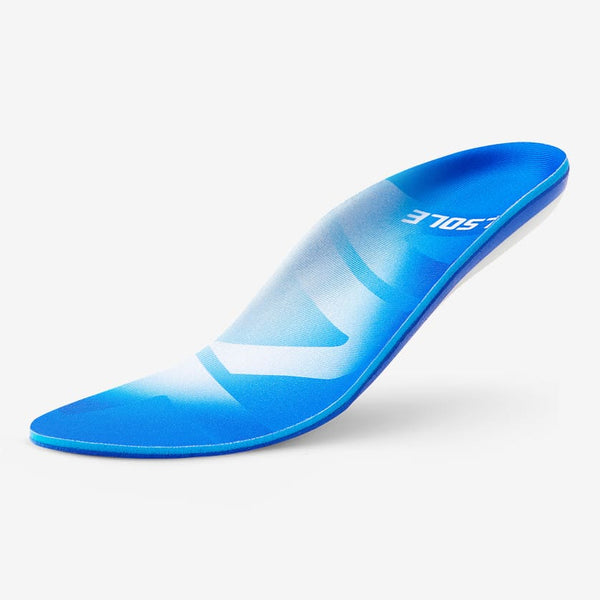
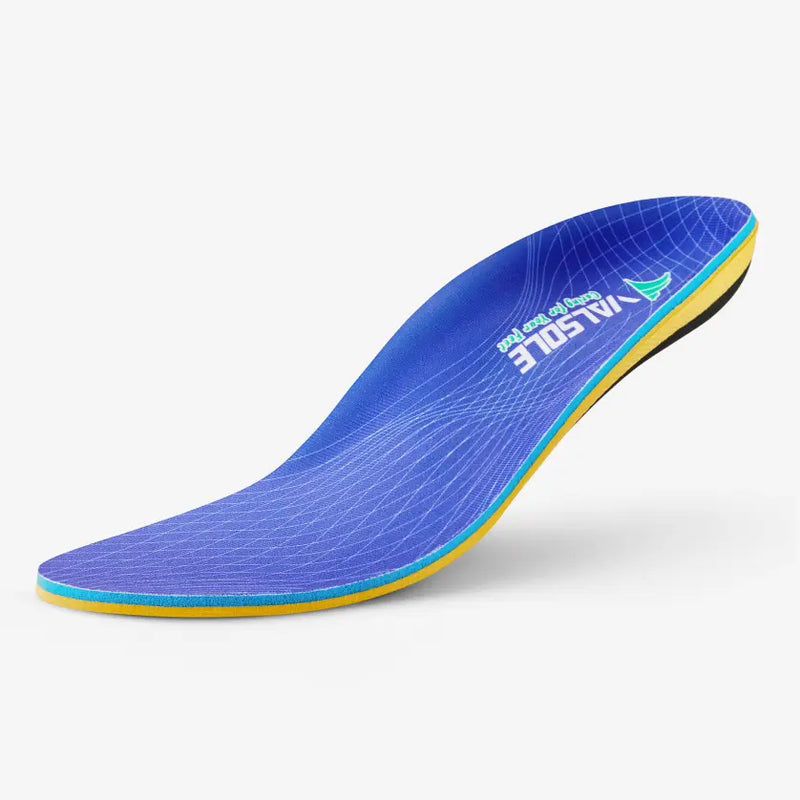
Heavy Duty Insole
Your pattern points to high-load in-shoe support.


Fatigue is often mistaken for simple muscle exhaustion. In reality, it is a multifactorial phenomenon rooted in biomechanics, neurology, and energy expenditure. Every step taken—whether during a brisk run or long standing at work—generates a measurable force as the foot meets the ground. This is known as ground reaction force, and it can exceed several times an individual’s body weight.[1]
The human body is remarkably adaptive. Yet it is not impervious. When impact is repeated thousands of times per day, tissues begin to experience strain accumulation[2]
Tendons elongate microscopically. Cartilage compresses. Muscles brace. The system compensates. And compensation, over time, breeds fatigue.
Fatigue is rarely the result of one dramatic event. Instead, it emerges from subtle, repeated micro-traumas—small insults to muscle fibers and connective tissue that compound quietly. This process is insidious. It begins beneath awareness and ends in discomfort, diminished endurance, and reduced productivity.
Shock absorption interrupts this cascade. It tempers the intensity of each impact, reducing the incremental stress that contributes to systemic wear.

When the foot strikes the ground, energy transfers instantaneously upward through the skeletal system. Without moderation, this energy propagates through bones and joints with minimal attenuation. The magnitude and velocity of this force determine how much stress tissues must absorb.
Shock absorption functions as a mediator. It decelerates impact. It elongates the time over which force is applied. In physics, increasing the duration of force application decreases peak intensity. [3] In the human body, this translates into reduced strain per step.
Not all cushioning is equal. Some materials merely deflect force sideways, offering the sensation of softness without true attenuation. Effective shock absorption, however, dissipates energy—converting mechanical impact into minimal heat or redistributing it across a broader surface area.[4]
The distinction is critical. Deflection may feel comfortable momentarily. Dissipation protects tissues over the long term.
The body operates as a kinetic chain. When the heel contacts the ground, force travels upward through the ankle,[5] knee, hip, and ultimately into the spine. Each joint serves as both conduit and shock modulator.
If the initial impact is excessive, proximal joints must compensate. The knees flex more aggressively. The hips stabilize with increased muscular engagement. The lower back stiffens. Over time, these compensations deplete muscular endurance and accelerate fatigue.
Cartilage thrives under balanced compression. Excessive, repetitive force, however, contributes to premature degradation. [6] Ligaments may stiffen. Fascia may tighten. Muscles may remain in a semi-contracted state long after activity ceases.
Proper shock absorption distributes load more equitably across the foot and reduces the burden placed on higher structures. The effect is subtle but cumulative. And profoundly protective.
When impact is harsh, stabilizing muscles work overtime. The calves absorb more deceleration. [7] The quadriceps control additional knee flexion. The gluteal muscles engage intensely to maintain alignment.
This hyperactivation accelerates metabolic depletion. Glycogen stores diminish. Lactic acid accumulates. The sensation of heaviness sets in sooner.
By moderating impact at its source, shock absorption reduces the need for constant muscular correction. Muscles can operate within optimal thresholds rather than survival mode.
Energy is finite. The body allocates it judiciously. When excessive force demands constant stabilization, metabolic resources divert toward joint protection rather than efficient movement.
Effective shock absorption promotes economy of motion. Steps feel lighter. Endurance extends. Fatigue recedes into the background instead of dominating the experience.
For individuals engaged in long standing—healthcare professionals, factory workers, retail associates—the burden of repetitive micro-impact is substantial. Even stationary postures generate cyclical loading as weight shifts subtly from heel to forefoot.
Over hours, this leads to muscular rigidity and plantar discomfort. Proper shock absorption mitigates the cumulative load, preserving comfort and enhancing occupational stamina.
Athletes encounter amplified forces. Running, jumping, and rapid directional changes intensify ground reaction forces exponentially. [8] Without adequate attenuation, repetitive loading accelerates fatigue and increases susceptibility to overuse conditions.
Shock absorption acts as a biomechanical buffer. It tempers peak forces and enables sustained performance under demanding conditions.
Material science plays a pivotal role in impact moderation. Foam density determines compressive resistance. Too soft, and the material collapses prematurely. Too rigid, and it fails to attenuate force.
Resilience—the capacity to rebound after compression—ensures durability and consistent performance. High-quality materials strike a precise equilibrium between cushioning and responsiveness, providing both comfort and structural integrity.
Shock absorption does not function in isolation. Structural support is essential to maintain alignment while dissipating force. Without adequate support, excessive pronation or instability can negate the benefits of cushioning.
Optimal design integrates contouring, heel stabilization, and strategic padding zones. The objective is not indulgent softness, but calibrated protection.
When impact is properly moderated, muscular strain diminishes. Joints operate within physiological limits. The body expends less energy counteracting force and more energy propelling forward.
The result is measurable: extended endurance, sustained focus, and reduced perception of effort.
Fatigue is not merely uncomfortable—it is a precursor to injury. As muscles tire, coordination deteriorates. Biomechanical efficiency falters. The probability of misalignment increases.
By reducing cumulative stress, shock absorption safeguards structural health. It preserves cartilage integrity, moderates tendon strain, and supports the kinetic chain as a cohesive system.
In the long arc of movement—across days, years, and decades—this protective effect compounds. The body remains resilient. Movement remains fluid. Fatigue, though inevitable, arrives later and with less intensity.
[1] Nigg, B. M. (2010). Biomechanics of Sport Shoes.
[2] Lieber, R. L., & Fridén, J. (2002). Mechanisms of muscle injury after eccentric contraction.
[3] McMahon, T. A., & Greene, P. R. (1979). The influence of track compliance on running.
[4] Mills, K., Blanch, P., & Vicenzino, B. (2010). Foot orthoses and shock attenuation.
[5] Perry, J., & Burnfield, J. (2010). Gait Analysis: Normal and Pathological Function.
[6] Radin, E. L., et al. (1986). Mechanical factors influencing cartilage degeneration.
[7] Winter, D. A. (2009). Biomechanics and Motor Control of Human Movement.
[8] Derrick, T. R. (2004). The effects of knee contact angle on impact forces during running.
Keep reading with symptom-based guides and compare support options for your pain profile.


Loading size guide…