


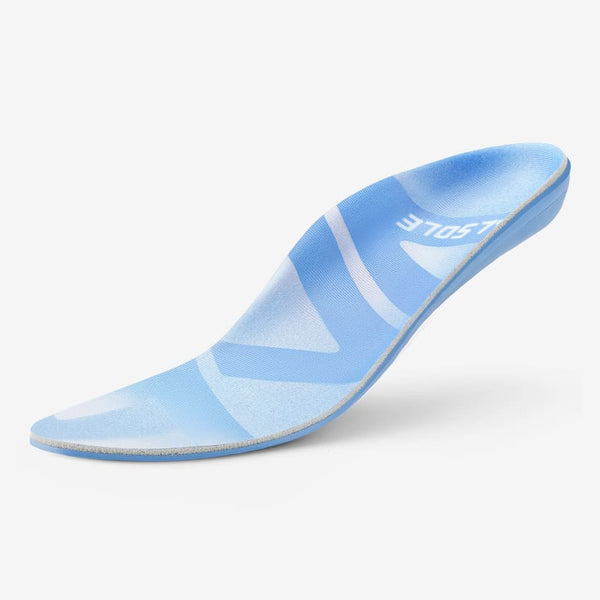
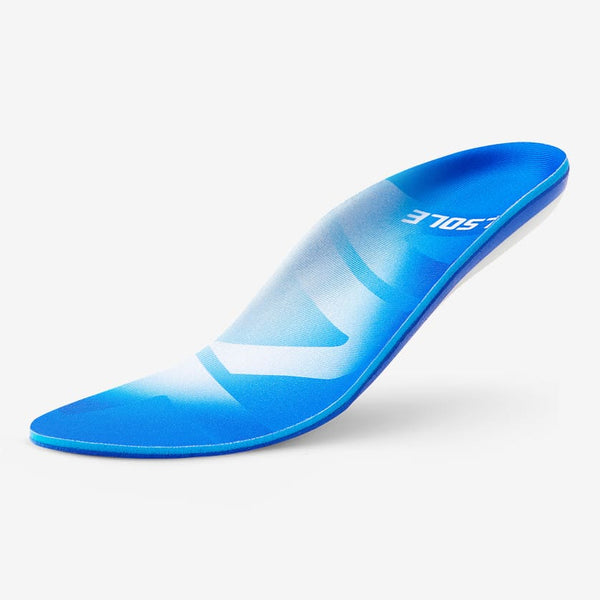
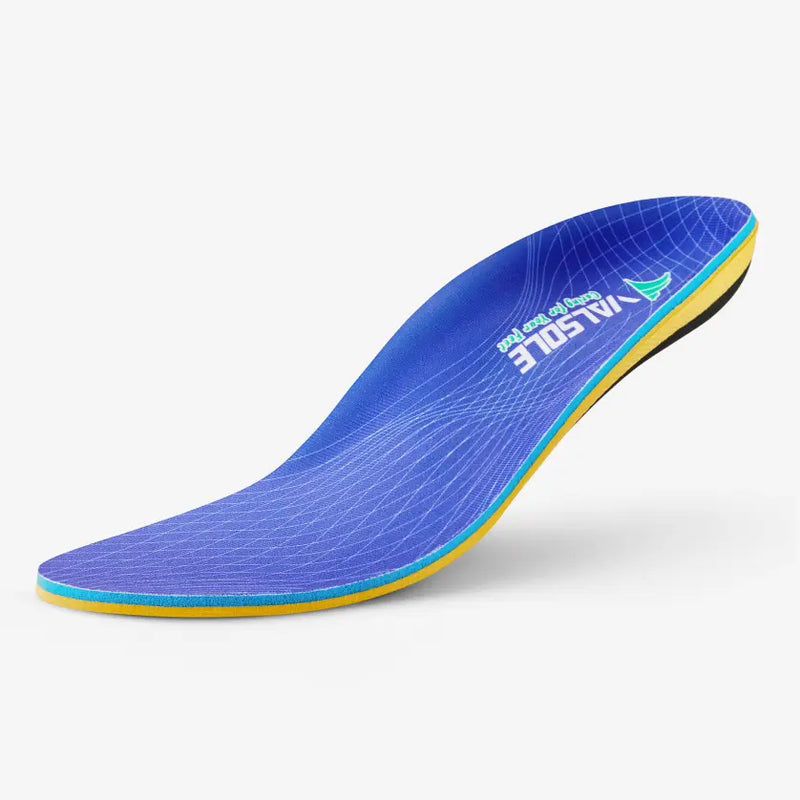


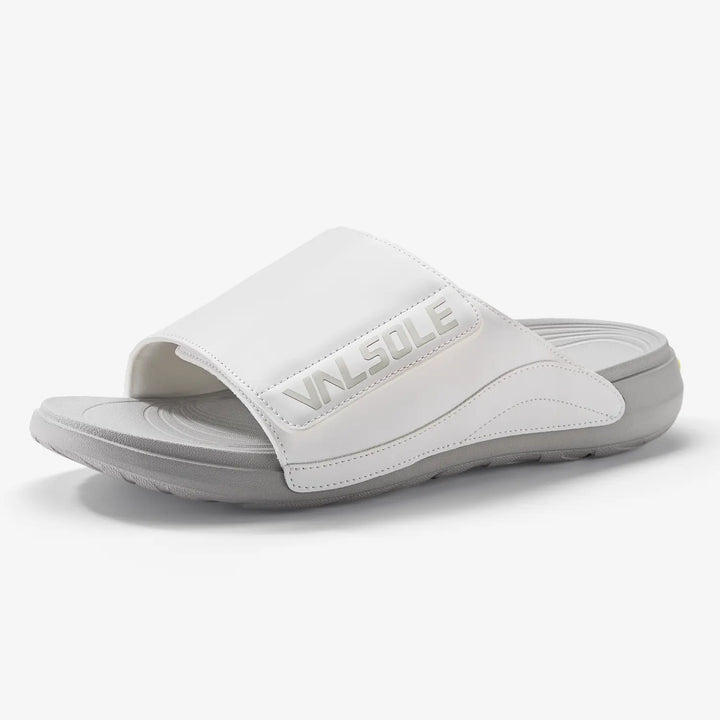
Recovery Slide
The VALSOLE Recovery Slide is engineered for everyday relief, combining ergonomic support with lightweight...
$69.99$109.99
View product


What Are Recovery Slides? How They Fit Into an After-Work Foot Support Routine should be chosen by the problem you can actually feel, not by the softest first step. If feet feel worse at home after work shoes come off, the better buying question is whether the product can keep its shape, fit the shoe or home routine, and still feel stable late in the day.
For this topic, the practical filter is support continuity, easy wear, heel comfort, and stable home footing. That keeps the decision grounded in daily comfort and fit rather than unsupported promises. Start with the VALSOLE route that matches the main use case, then check shoe volume, heel seating, and how your feet feel after several hours.
Ahrefs MCP export from June 23, 2026 showed "what are recovery slides" with volume 300, KD 0, CPC $0.16, and current position 10 for VALSOLE evidence. GSC evidence was unavailable. No GSC clicks, impressions, CTR, or average position were used. This makes the topic useful for shoppers who already know they need foot support but still need a clear decision framework.
Workplace guidance from CCOHS notes that regular standing work can be associated with sore feet, muscular fatigue, leg swelling, and low back discomfort. Footwear and floor conditions both matter, which is why VALSOLE content should connect product choice to surface, routine, and fit instead of presenting one product as a universal answer.
| What you notice | What to check | Best next step | VALSOLE route |
|---|---|---|---|
| Support feels good early but fades later | Shape retention and midfoot stability | Compare a structured option before choosing a softer insert | Stable Support insole |
| Hard floors make the whole foot tired | Floor surface, shift length, and heel feel | Use a harder-floor route with more stable underfoot structure | Concrete Floor Insoles |
| Heel discomfort is the first signal | Heel cup shape and pressure distribution | Choose a heel-focused path before a generic full-foot option | Heel Relief insole |
| Shoes feel crowded after adding support | Toe space, removable sockliner, and heel seating | Check fit before moving to a thicker profile | Size guide |
| Feet need support after work shoes come off | Home floors, recovery routine, and easy wear | Extend support into post-shift footwear | Recovery Slide |
The first mistake is judging what are recovery slides only by softness. Soft cushioning can feel pleasant at first, but the more important test is whether the product still feels stable after repeated standing and walking. The second mistake is skipping fit. Even a good support profile can feel wrong if it crowds the forefoot or lifts the heel too high inside the shoe.
Start with Recovery Slide because it matches the main intent behind this article. Then compare Recovery Slide if your routine points toward a specific product. If you are still deciding between multiple options, use the Insoles collection to compare support styles side by side.
For fit and education, check the Size guide before buying, especially if your shoes are already snug. Use the Arch support guide to compare support feel, and review the related standing guide Best Insoles for Standing All Day at Work when long shifts are the main use case.
Foot support products can help with comfort, fit, cushioning, and daily pressure distribution, but they are not medical care. If foot pain is sudden, severe, persistent, worsening, linked to swelling, numbness, tingling, injury, an open wound, signs of infection, or difficulty bearing weight, readers should consult a qualified medical professional. People with diabetes or circulation concerns should be especially cautious with new or worsening foot symptoms.
No. Softness is only one part of comfort. Support shape, heel stability, shoe fit, floor type, and how the product feels late in the day usually matter more.
If the arch feels intrusive, the shoe becomes tight, or the heel sits too high, check fit first. Some people need a lower-volume route or a slower break-in schedule.
For many work shoes, removing the original sockliner can create needed volume. If the shoe feels unstable or too loose afterward, compare fit again before wearing it for a full shift.
Not always. Work boots, sneakers, clogs, and home footwear can have very different internal space and heel geometry. Match the support profile to the shoe.
This article was prepared using VALSOLE's Ahrefs MCP export from June 23, 2026. GSC evidence was unavailable and was not used for clicks, impressions, CTR, or average position.
External references reviewed: Canadian Centre for Occupational Health and Safety, Working in a Standing Position - Basic Information; Canadian Centre for Occupational Health and Safety, Foot Comfort and Safety at Work; Mayo Clinic, Foot pain - When to see a doctor.
Shop the products most relevant to the support path discussed in this article.


Keep reading with symptom-based guides and compare support options for your pain profile.


Loading size guide…


