


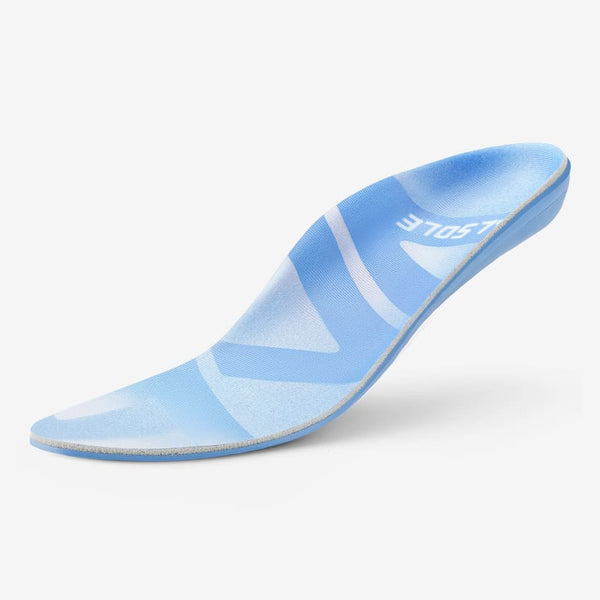
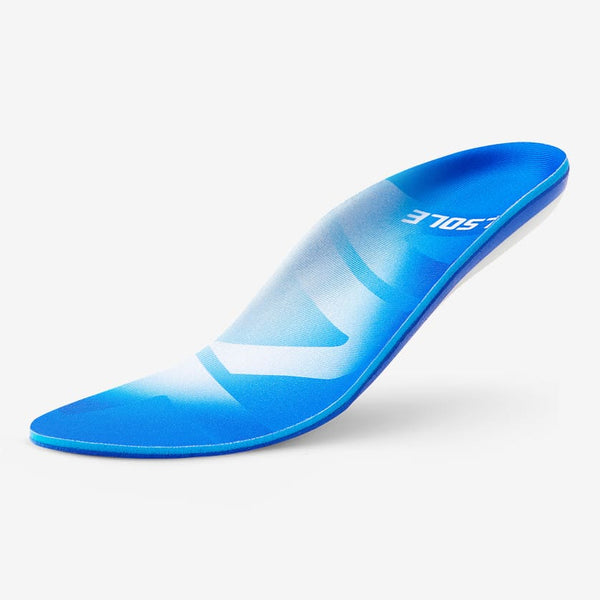
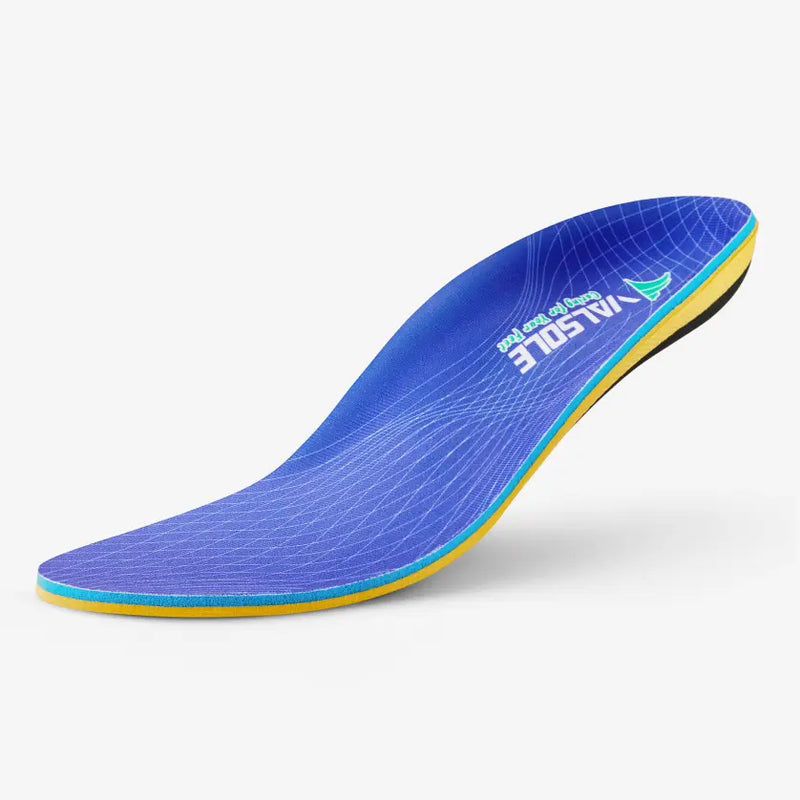


Heel Relief
With extra-thick heel cushioning and advanced stability, this insole reduces pressure on your heels.
$37.99$39.99
View product


Current foot-pain reporting keeps circling back to the same reality for standing-all-day workers: discomfort rarely comes from one dramatic moment. It usually builds through repetitive standing blocks, hard-floor exposure, and support setups that feel acceptable at the start of the day but stop holding up by the middle or end of the shift. That pattern matters because it changes what workers should compare first. The right question is often not \"What is the softest option?\" but \"What support setup still feels stable after hours of load?\"
This is why reporting around heel pain, work fatigue, and daily support keeps staying relevant across retail, warehouse, healthcare, and service roles.

For standing-all-day workers, current reporting matters because it confirms that pain timing is a buying signal. If soreness rises only after several hours, that usually points to support breakdown, pressure accumulation, or footwear fatigue rather than a need for softer foam alone. The worker who feels fine at clock-in but deteriorates by hour six often needs a more durable support path, not just a more padded one.
That is also why the same worker may need to compare shoes, insoles, and recovery use together instead of treating them as separate decisions.
The most useful next step is to compare support paths based on when symptoms appear, how hard the floor environment is, and whether the current footwear base is still doing its job. If shoes are collapsing or losing stability, footwear may need to change first. If the shoe still fits and still has enough structure, a stronger insole path can be the cleaner and faster upgrade. That is the practical value of current reporting: it helps workers compare the real failure point before they spend money in the wrong category.
In other words, news and reporting are most helpful when they narrow the next action instead of adding more vague awareness.
For the best next step, start with the Standing All Day Support Guide, compare symptom pattern in the Foot Pain Relief Guide, use the Recovery Footwear Guide to choose your after-shift support path, and review the supportive footwear collection if your workday base likely needs more than a small adjustment.
Shop the products most relevant to the support path discussed in this article.
Keep reading with symptom-based guides and compare support options for your pain profile.


Loading size guide…


