


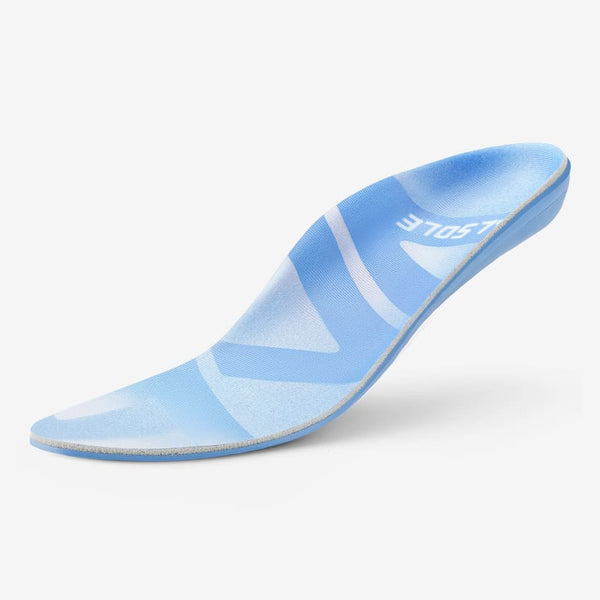
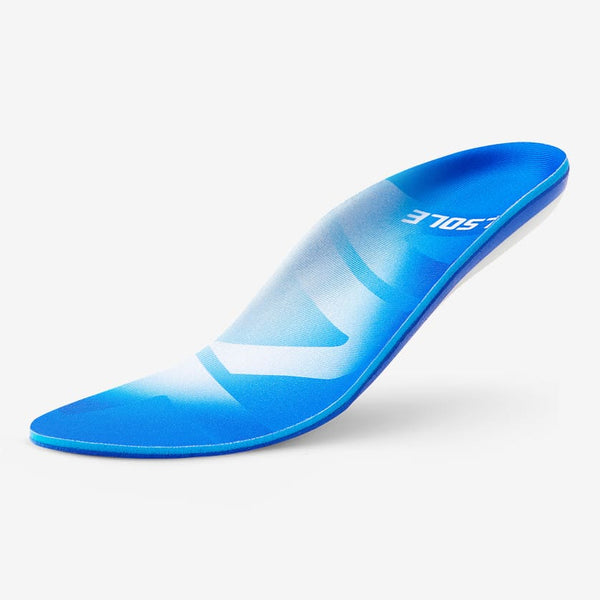

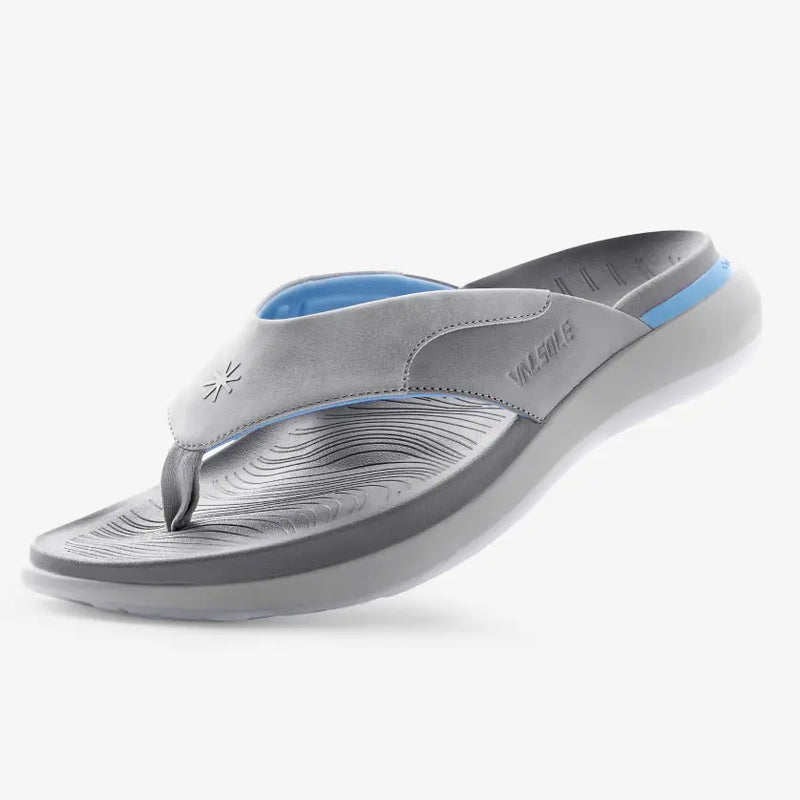
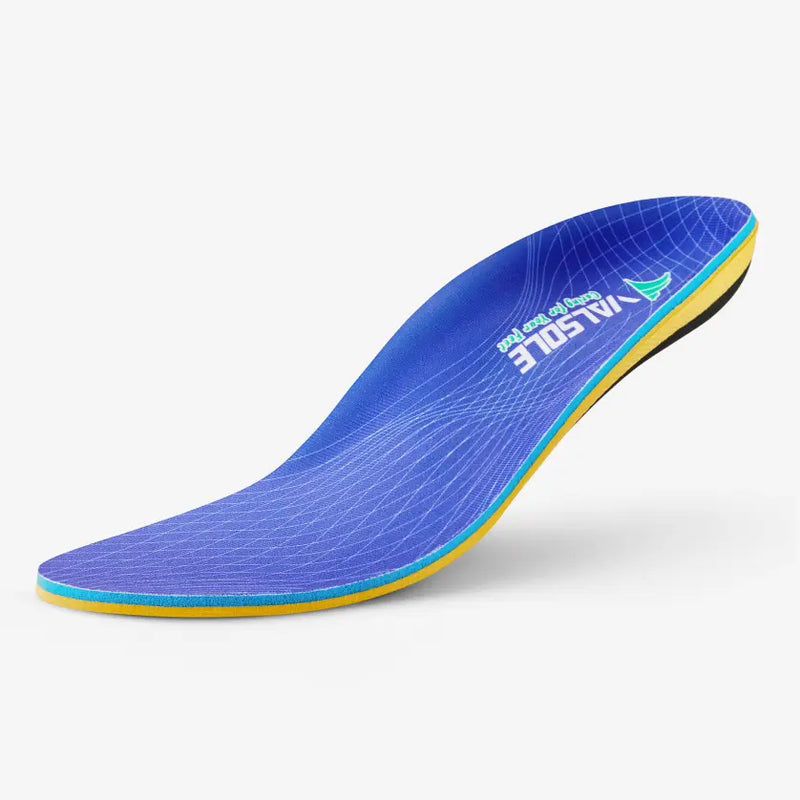




Strong fit
Heavy Duty Insole
Your pattern points to high-load in-shoe support.


Many people do not actually need custom orthotics as their first purchase. If your shoes still fit correctly, your symptoms are not highly complex, and you mainly need better arch guidance or heel stability, OTC insoles are often the smarter first step. Orthotics become more relevant when support needs are highly specific, repeat failures keep happening across multiple shoe setups, or symptom control depends on a more customized geometry than standard retail support can provide.
The fastest way to decide is to look at failure pattern, not price tier. A lower-cost solution that matches your real support problem usually beats a more expensive option chosen too early.
Use this table to identify the first path that makes the most sense based on symptom predictability and shoe compatibility.
| Observed pattern | Better first move | Why | What to track next |
|---|---|---|---|
| Pain appears mainly after long standing or walking in one daily shoe setup | OTC insoles | Retail support may be enough when the frame is still usable | Time-to-fatigue and next-morning soreness |
| You need support across several shoes with different fit limits | OTC insoles first, then reassess | It is cheaper to test support direction before paying for customization | Which shoe types fail and why |
| Symptoms stay unstable despite multiple support trials and good shoe fit | Orthotics discussion | The support geometry may need to be more individualized | Consistency of control across the week |
OTC insoles are usually enough when the real need is clearer than people think: more stable arch contact, better heel control, less support collapse during long standing, or a stronger underfoot platform for daily walking. They work best when the shoe shell is still structurally usable and has enough room to hold support without creating new toe-box pressure.
In many everyday cases, the biggest mistake is not choosing OTC first. It is choosing the wrong OTC profile for the actual load pattern and then assuming all retail support has failed.
Orthotics become more reasonable when support needs are highly specific, repeated OTC trials fail despite decent shoe fit, or your symptom pattern changes a lot depending on small support differences. That does not mean retail support is useless. It means the decision should shift from broad category selection to more individualized control.
The key is to arrive at that decision with evidence. If you do not know what failed in the OTC stage, moving upward in price does not guarantee you are solving the correct problem.
Before moving from OTC insoles to orthotics, check three things carefully: whether the shoe still holds shape, whether there is enough depth and width for support, and whether the pain pattern improves in any repeatable way during a seven-day test. If all three are unclear, the next purchase is still too early.
Better buying decisions usually come from cleaner testing, not from faster escalation. One controlled week often tells you more than two rushed purchases.
For next steps, start with the Insoles Complete Guide when you want the full OTC decision framework, compare symptom pattern in the Foot Pain Relief Guide, and review the insole product lineup if you are ready to test a retail support path first.
Keep reading with symptom-based guides and compare support options for your pain profile.


Loading size guide…