

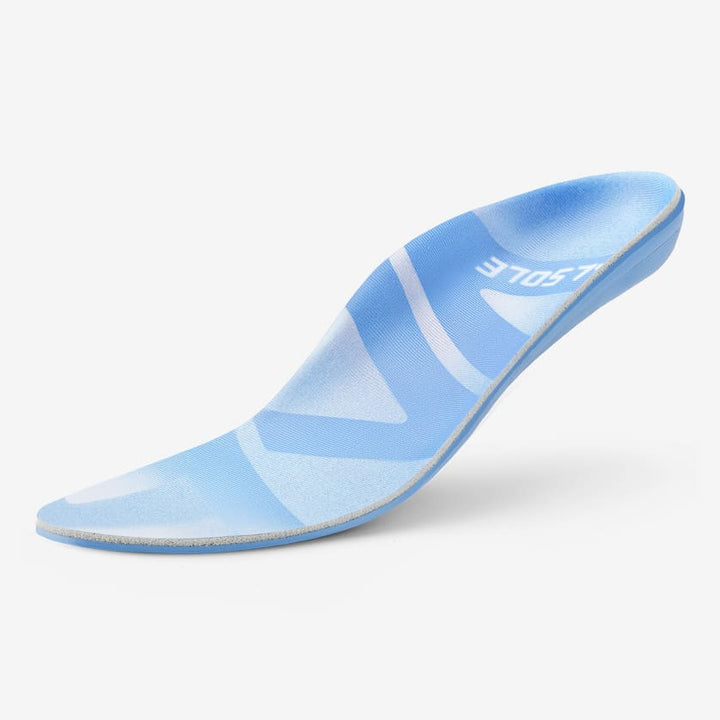
Fascia Soothe
Step into relief. VALSOLE Fascia Soothe insoles are purpose-built for people who know what...
$37.99$39.99
View product


Foot pain is rarely random; it is a biomechanical signal reflecting imbalance, overload, or structural fatigue. This article explores how pain location—from heel to arch, forefoot, and toes—reveals underlying mechanical stressors such as plantar fasciitis, fat pad atrophy, overpronation, metatarsalgia, and nerve compression. It further examines hidden contributors including prolonged standing, poor posture, muscle tightness, and footwear limitations. By understanding these signals and incorporating targeted interventions such as stretching, strengthening, and structured arch support, individuals can reduce strain, restore alignment, and prevent recurring discomfort. Listening early and supporting wisely form the foundation of long-term foot health.
Foot pain is not a random occurrence; it’s a sophisticated signal system[1]. Each ache or sharp sting is the body’s coded language for imbalance, overuse, or structural fatigue. The feet, after all, are not passive structures — they are dynamic, weight-bearing instruments that support your entire posture[2].
Pain in the heel is often the foot’s first cry for attention. A sharp sensation in the morning or after long rest is a hallmark of plantar fascia irritation[3]— the connective tissue that anchors the heel to the forefoot. Repetitive stress, poor cushioning, or improper support can cause microtears that inflame this vital band[4].
A dull ache after long standing may point to fat pad atrophy [5]— the natural heel cushion thinning over time. In both cases, your foundation is asking for relief through improved shock absorption and better structural support[6].
This is where Valsole’s Heel Relief Insole can make an immediate difference, offering targeted cushioning, a stabilizing heel cup, and pressure-reducing design elements that help soothe the heel with every step.
The arch acts like a spring — compressing and rebounding with every stride. When it collapses too much (overpronation) or too little (supination)[7], the foot loses its natural rhythm. This leads to tension in the plantar fascia and supporting tendons.
Persistent soreness along the inner sole or midfoot is often a sign that your arches are working overtime.
Valsole’s Stable Support Insole is engineered for this exact scenario, using a reinforced arch shell and ergonomic contouring to restore proper alignment and reduce strain[8]. By guiding the foot back into neutral posture, the arch can function as it was designed — flexible yet resilient.
Metatarsalgia — pain in the ball of the foot — often develops when too much force accumulates under the forefoot[9]. High-impact activity, tight shoes, or limited cushioning can compress the metatarsal heads, causing inflammation and discomfort.
Burning or tingling between the toes may suggest nerve compression, such as Morton’s neuroma[10]. The root issue is usually the same: the forefoot is absorbing more impact than it should.
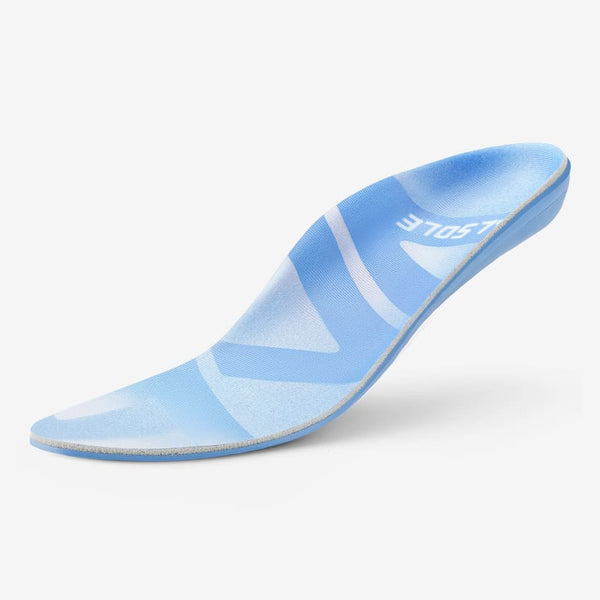
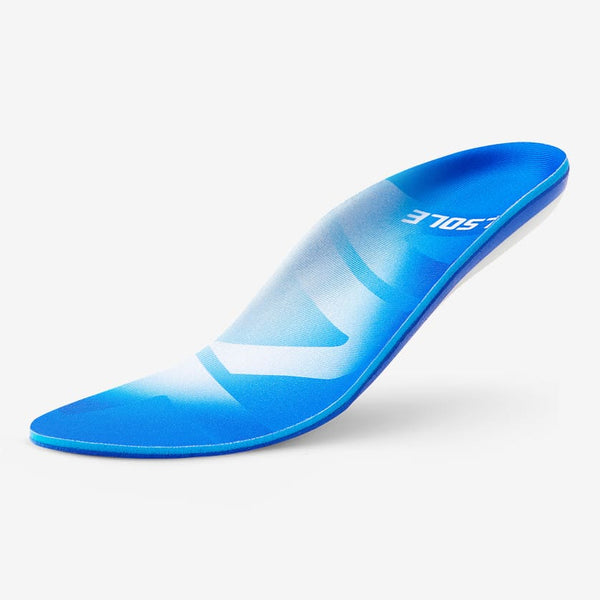
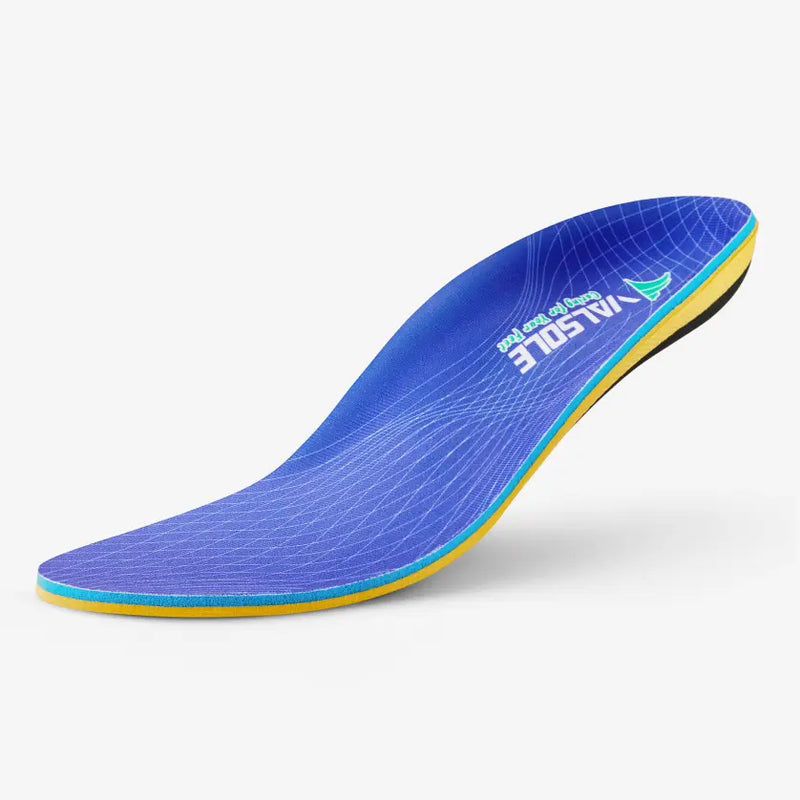
Valsole’s Fascia Soothe Insole helps redistribute pressure across the entire foot[11], thanks to its forefoot cushioning pads and extended support structure. Reducing load on the metatarsals allows the forefoot to move freely and comfortably again.
The toes — though tiny — contribute significantly to balance, stability, and forward motion. Toe pain often stems from structural issues like bunions or hammertoes[12], usually aggravated by restrictive footwear. Any stiffness or soreness here can be a sign that your gait mechanics are misaligned.
Allowing the toes room to move naturally is essential. Coupled with this, Valsole’s supportive insoles help realign foot posture, reducing excessive pressure on the toes and encouraging a more efficient stride.

Not all foot pain originates from the feet themselves. Often, the culprits are indirect. Prolonged standing on hard surfaces can cause microtrauma[13], while unsupportive shoes slowly distort alignment. Poor posture can shift the body’s load distribution, forcing the feet to compensate [14]for imbalances originating at the hips or spine.
Even repetitive motions — from running to standing at a workstation — can amplify strain in subtle ways. Over time, the body adapts to these stresses, but the adaptation comes at a price. Tight calves, shortened tendons, and weakened intrinsic muscles all contribute to discomfort[15]that eventually manifests as pain. Recognizing these hidden triggers helps address not just the symptom, but the root cause.
True recovery begins with understanding, not reaction. Start by strengthening the small stabilizing muscles of the feet — the ones responsible for balance and coordination. Stretch the calves and plantar fascia to restore flexibility and release tension.[16]
Equally vital is choosing footwear that complements your anatomy rather than fighting against it. This is where VALSOLE supportive insoles make a measurable difference. Designed with structured arch support and targeted cushioning, they help realign the foot, redistribute pressure, and reduce daily strain on your foundation. Think of them not as accessories, but as essential reinforcements engineered to help your feet move the way they’re meant to.
Finally, listen early. Pain is the body’s way of whispering before it’s forced to shout. By paying attention to those subtle signs — the soreness after a long day, the pinch during a jog — you give your body the chance to heal before the problem deepens. And with the right support underfoot, like VALSOLE, you give your feet the stability they need to stay ahead of discomfort. Prevention, in this sense, is simply the art of listening well — and supporting wisely.
[1] Woolf, C. J. (2010). What is pain?
[2] Ker, R. F., et al. (1987). The spring in the arch of the human foot. Nature.
[3] Buchbinder, R. (2004). Plantar fasciitis. New England Journal of Medicine.
[4] Wearing, S. C., et al. (2006). The pathomechanics of plantar fasciitis.
[5] Rome, K., et al. (2002). Heel fat pad atrophy and plantar heel pain.
[6] Nigg, B. M. (2010). Biomechanics of Sport Shoes.
[7] Hintermann, B., & Nigg, B. M. (1998). Pronation and supination: Biomechanical implications.
[8] Cheung, R. T., & Ng, G. Y. (2007). Efficacy of foot orthoses on plantar fascia strain.
[9] Espinosa, N., et al. (2010). Metatarsalgia and forefoot biomechanics.
[10] Thomson, C. E., et al. (2004). Interventions for Morton’s neuroma.
[11] Bonanno, D. R., et al. (2012). Effect of foot orthoses on plantar pressure.
[12] Nix, S., et al. (2010). Hallux valgus (bunions): Etiology and footwear association.
[13] Waters, T. R., & Dick, R. B. (2015). Prolonged standing and musculoskeletal symptoms.
[14] Kendall, F. P., et al. (2005). Muscles: Testing and Function with Posture and Pain.
[15] McKeon, P. O., & Fourchet, F. (2015). Intrinsic foot muscle function.
[16] DiGiovanni, B. F., et al. (2003). Plantar fascia-specific stretching.
Shop the products most relevant to the support path discussed in this article.


Keep reading with symptom-based guides and compare support options for your pain profile.


Loading size guide…