


Why Runners Should Never Skip Arch Support

The Arch as the Unsung Engine of Running
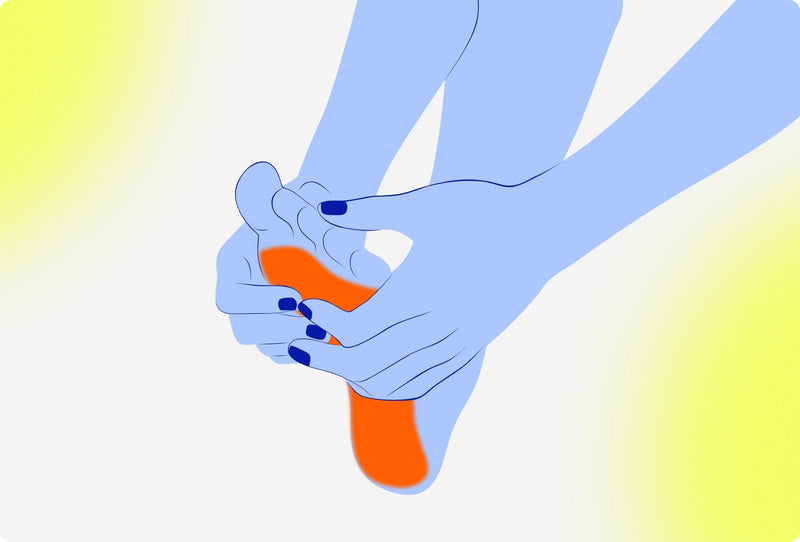
The foot is a marvel of biological engineering, and at its center sits the arch. Often overlooked, this curved structure operates like a spring-loaded engine. Each stride compresses it. Each toe-off releases stored energy. That rhythmic exchange is what keeps running fluid instead of fatiguing.
Without adequate support, the arch is forced to work beyond its intended capacity. Instead of acting as a responsive lever, it collapses under repetitive load. Balance becomes less instinctive. Propulsion loses its snap. Over time, even the most disciplined runner may feel that something is “off,” long before pain announces itself.
What Happens When Arch Support Is Ignored
Skipping arch support doesn’t usually cause immediate discomfort. The consequences are quieter and more insidious. The foot begins to drift from its optimal alignment, subtly altering how force travels upward through the body. Ankles roll a fraction too far. Knees absorb impact at awkward angles. Hips compensate without permission.
This biomechanical drift leads to inefficiency. Muscles that should be assisting propulsion are instead stabilizing imbalance. Energy expenditure rises while performance plateaus. Every run costs more than it should, even if the runner can’t yet articulate why.

Performance Gains Rooted in Proper Support
When arch support is properly integrated, running feels different. Strides become more consistent. Cadence stabilizes. There is a sense of controlled rebound with each step, as if the ground is cooperating rather than resisting.
This matters on short tempo runs and even more on long distances. Fatigue arrives later. Form holds longer. The body expends energy moving forward, not correcting micro-errors in alignment. Over weeks and months, that efficiency compounds, translating into improved endurance and more reliable training outcomes.
Injury Prevention Starts from the Ground Up
Most running injuries do not begin where the pain is felt. They originate at the foundation. Insufficient arch support increases strain on the plantar fascia, taxes the Achilles tendon, and sends excess shock into the knees and hips. The lower back often pays the price last, but pays it nonetheless.
Supporting the arch helps distribute impact evenly across the foot. Forces travel upward along intended pathways instead of colliding with vulnerable joints. This doesn’t just reduce injury risk. It creates a more resilient running system, one that can tolerate higher mileage and recover more predictably.
Choosing the Right Arch Support for Running
Not all arch support is created equal. Runners must consider their gait mechanics, training volume, and shoe type. Some require firmer structure for stability. Others benefit from a balanced blend of cushioning and control that preserves natural movement while preventing collapse.
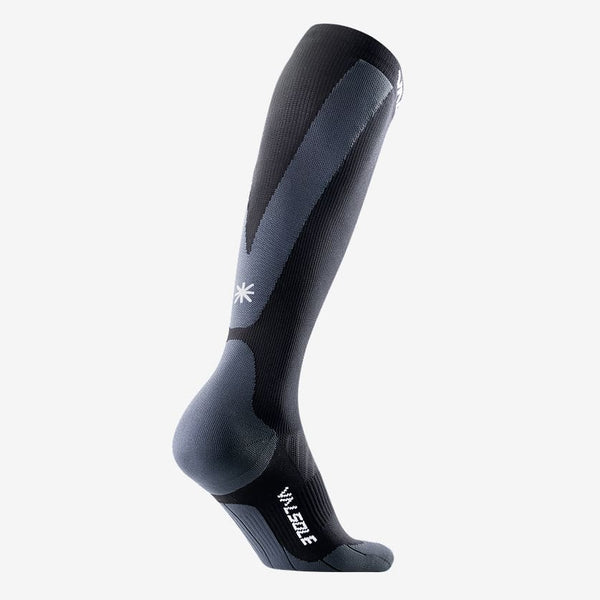
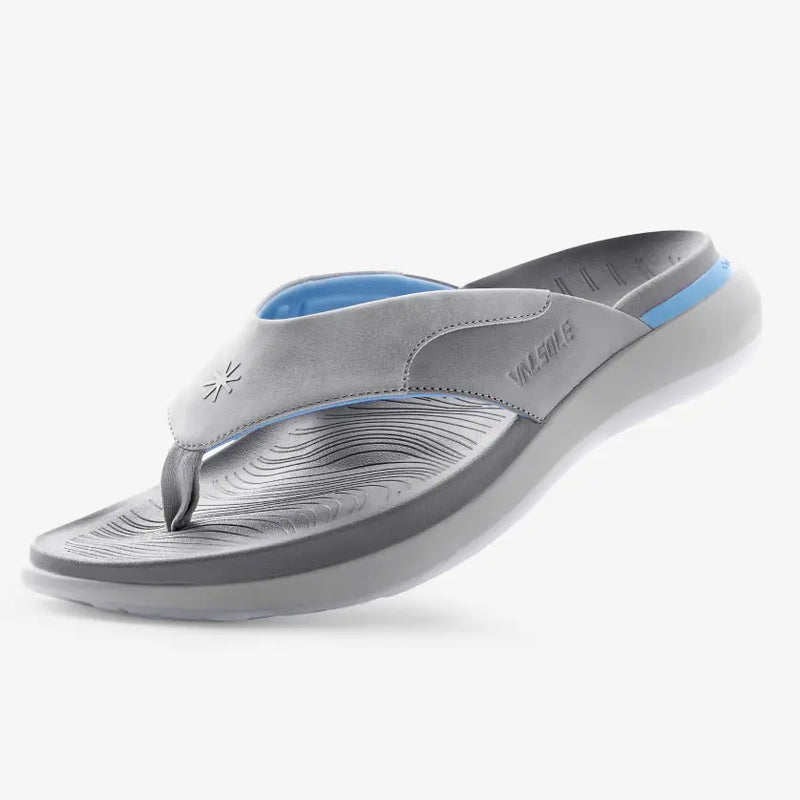
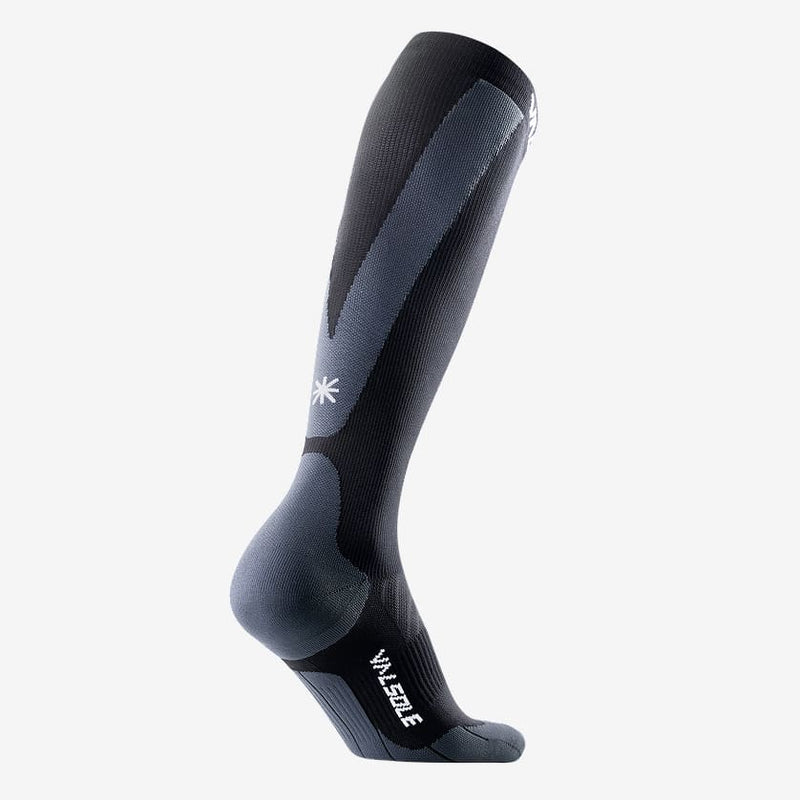
The goal is integration, not intrusion. Effective arch support should disappear beneath the foot, quietly doing its work mile after mile. When chosen correctly, it becomes an invisible ally—one that supports performance, safeguards health, and ensures that every run starts and ends on solid ground.