





Quick Answer: The Study Tested a System, Not a Universal Boot Winner
A July 2026 study tested soldiers running in combat boots and minimalist shoes under different load-carriage conditions. The researchers reported no main effect of footwear on Achilles-tendon force impulse. Its value is the reminder that carried load, task and footwear need to be read together.
What Happened
The study examined acute running biomechanics under differing loads. Combat boots and minimalist shoes were part of the comparison, but the research setting was military running rather than ordinary standing work or a retail work-boot fitting session.
A null main effect for one measurement does not mean every boot feels or behaves the same. It means the authors did not find a main footwear effect for that specific force-impulse measure in their tested setup.
Why It Matters Now
Boot questions are often framed as a choice between “supportive” and “minimal.” This study highlights a more useful lens: internal fit, carried load, task duration, pace and the footwear itself can all change the practical setup.
Who It Affects
The direct evidence concerns soldiers running with loads. Workers who wear boots for standing or walking can use the principle of checking the whole setup, but should not assume that military-running data is a product recommendation for their shift.
Consumer Decision Context
- Use the real load: test boots with the socks, equipment and routine that matter.
- Check usable volume: an added insole changes how the foot sits inside the boot.
- Keep the heel secure: movement at the heel can be as relevant as softness underfoot.
- Respect protective-footwear rules: check manufacturer and workplace requirements before altering marked safety footwear.
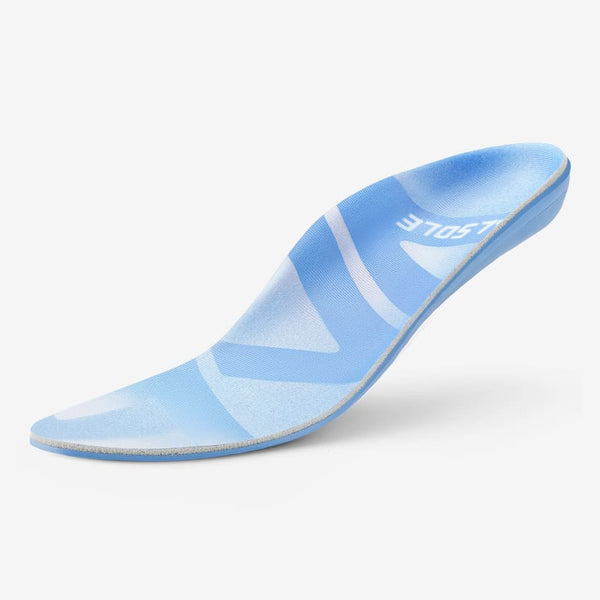
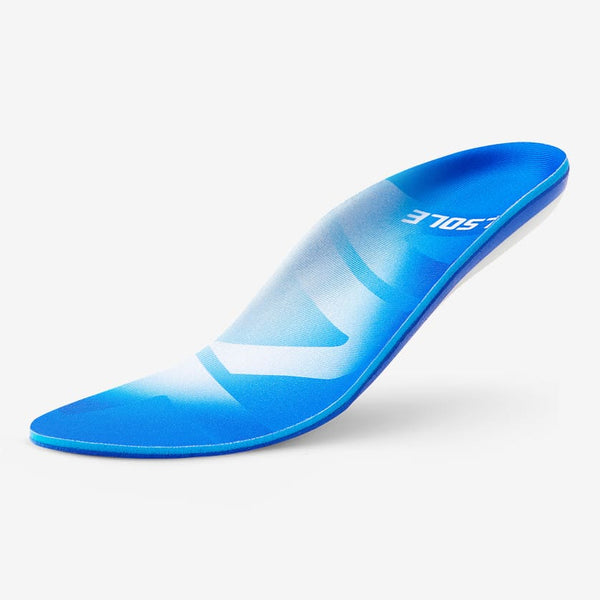
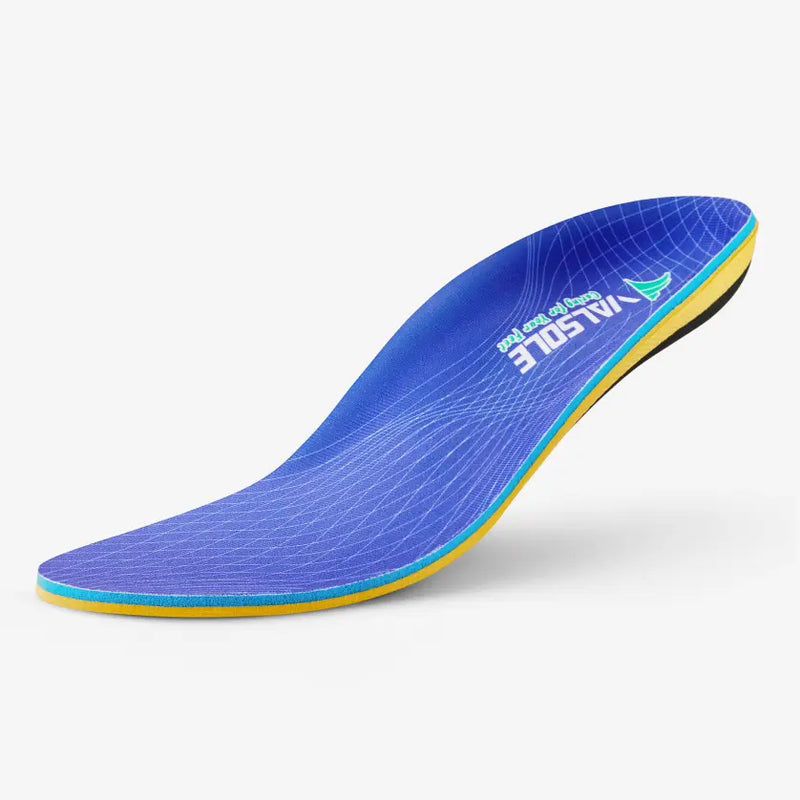
VALSOLE Support Path
The Work Boot Insoles collection is the relevant commercial path. The Standing All Day Support Guide gives broader routine context, and Quick Match can narrow a starting point after fit and certification requirements are clear.
What This Means for Readers
This research is a useful caution against simple boot labels. It does not test VALSOLE products, certify an insert for safety footwear or establish an outcome for workers. A suitable boot setup begins with model-specific fit and the actual demands of the job.
Sources
- Sports Biomechanics / PubMed. Acute effects of combat boots and minimalist shoes on Achilles tendon loading during running under different load carriage magnitudes in soldiers. July 3, 2026.
- Journal record. DOI: 10.1080/14763141.2026.2695881.


