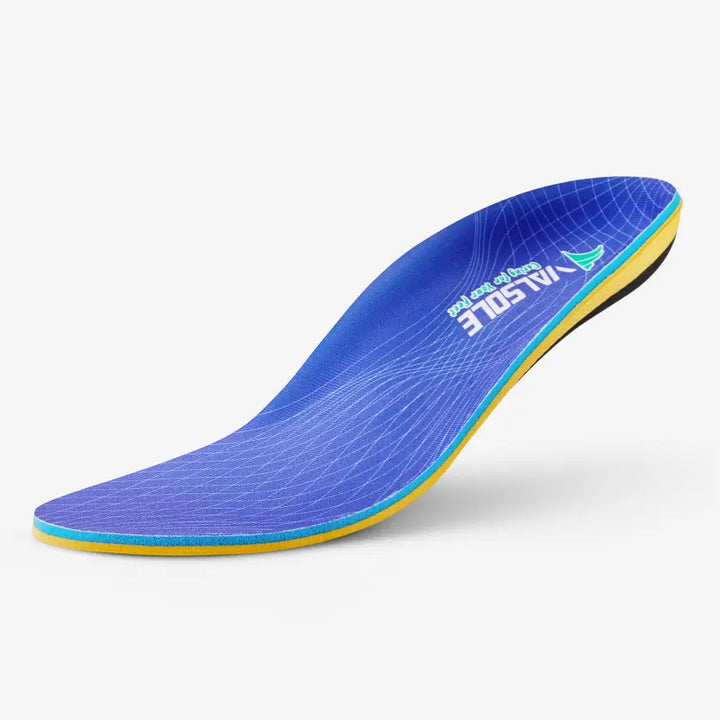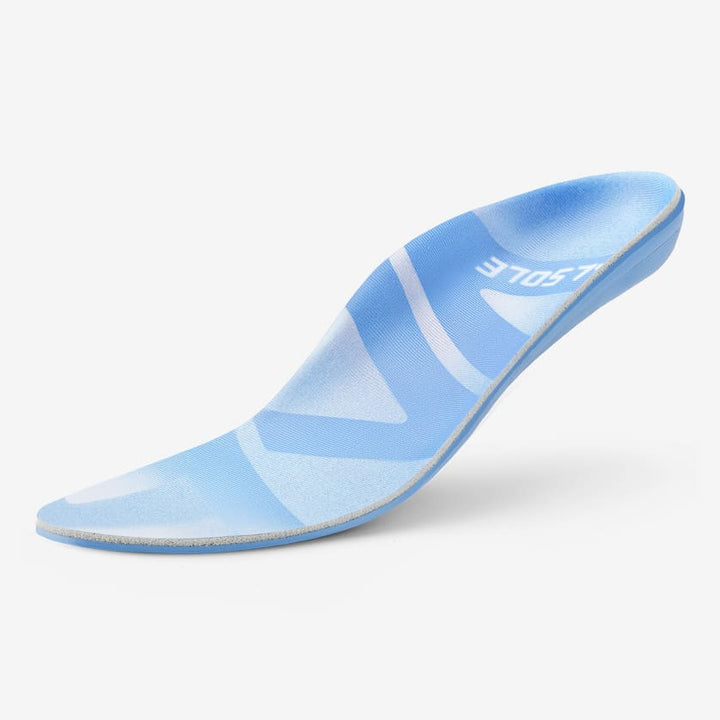
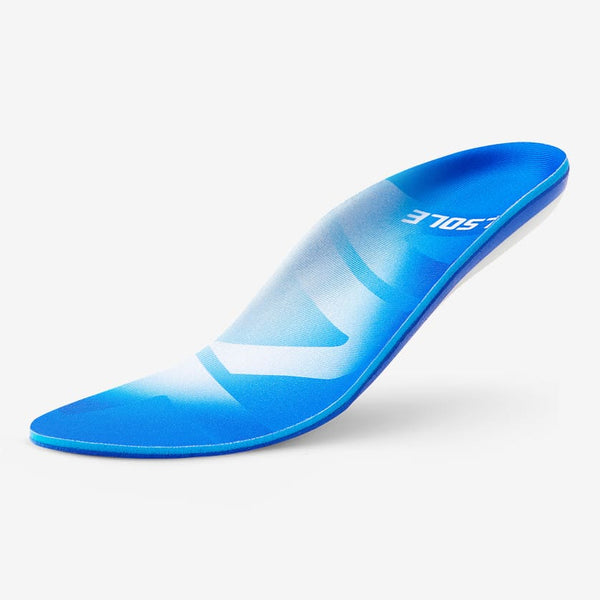


What changed
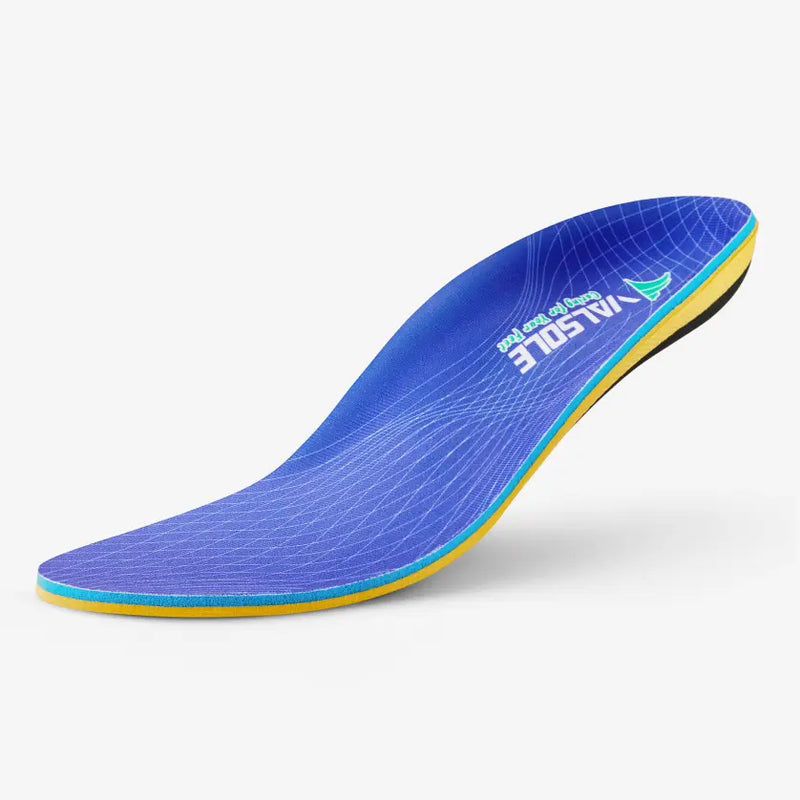
Consumer Reports’ March 2026 orthotics test gave shoppers a more useful OTC benchmark than the usual “top inserts” list. Instead of focusing only on one pain type, the report compared multiple insert options across comfort, stability, ease of use, and fit for different tester profiles.
That matters because OTC orthotics are often treated as a vague middle category between no support and expensive custom devices. The new test reframed them as something buyers can evaluate more practically: not all inserts do the same job, and not all pain responds to the same support profile.
Why it matters now
For shoppers, the biggest takeaway is that OTC orthotics are no longer only a low-cost gamble. They are becoming a serious first comparison point for people with plantar fasciitis, flat feet, bunions, mild arch pain, and standing-related fatigue who are not yet ready for a prescription route.
The report also reinforced a point many buyers overlook: comfort and stability are not identical. An insert may feel soft right away but still fail to improve how the foot loads over a full workday. That distinction is especially important for buyers who spend long hours on hard floors or who already know that soft insoles have not solved the problem.
How buyers should read this
The smartest reading is not “which insole won?” but “which type of support seems to work for which pain pattern?” Someone dealing with all-day fatigue may need a different baseline than someone with heel pain that spikes in the morning. A buyer with wide feet also has a fit-volume problem that can make even a good insole fail inside the wrong shoe.
Consumer Reports also reminded readers that custom orthotics are not automatically the first step. For a lot of people, an OTC insert is the fastest and cheapest way to test whether support intensity, heel control, and pressure distribution are part of the answer.
What it means for support-footwear shopping
This is where the footwear angle gets stronger. Insoles do not live in isolation. If an insert takes up too much depth or creates forefoot crowding, the shoe platform becomes part of the problem. That means the real comparison is often shoe-plus-insole, not insole alone.
Buyers should now think in combinations: structured insoles for shoes that can hold them, supportive clogs or slippers for indoor recovery, and symptom guides that help decide when footwear changes should come before more aggressive intervention.
Where shoppers can start
Readers can move from this report into the arch support guide, compare a firmer insole path with Heavy Duty, and use the size guide to avoid depth and fit mistakes before adding any insert to a shoe.