

Quick Answer: A Stiffness Result Is Not a Universal Product Result
A 2026 walking study examined specialized deformable carbon-fiber orthoses at different stiffness levels. The researchers found changes across more than one foot-and-ankle measure. The result is useful for understanding research design, but it does not rank ordinary retail insoles or establish one right level of stiffness for every person.
What Happened
Researchers studied healthy walking with deformable foot orthoses and compared mechanical measures as stiffness increased. Their report describes changes at the metatarsophalangeal joint, midtarsal joint and ankle. In other words, the variable under study did not stay confined to one point in the system.
Why It Matters Now
Product labels can make stiffness sound like a single score. This study offers a more careful frame: a designed change can come with tradeoffs elsewhere, and the answer depends on the device, activity and person being studied.
Consumer Decision Context
- Start with the shoe: an insert should lie flat and leave enough room inside the footwear you actually use.
- Name the routine: a concrete-floor shift, a commute and a casual walk place different practical demands on a shoe setup.
- Keep the evidence boundary: a carbon-fiber research device is not automatically comparable with an off-the-shelf insole.
VALSOLE Support Path
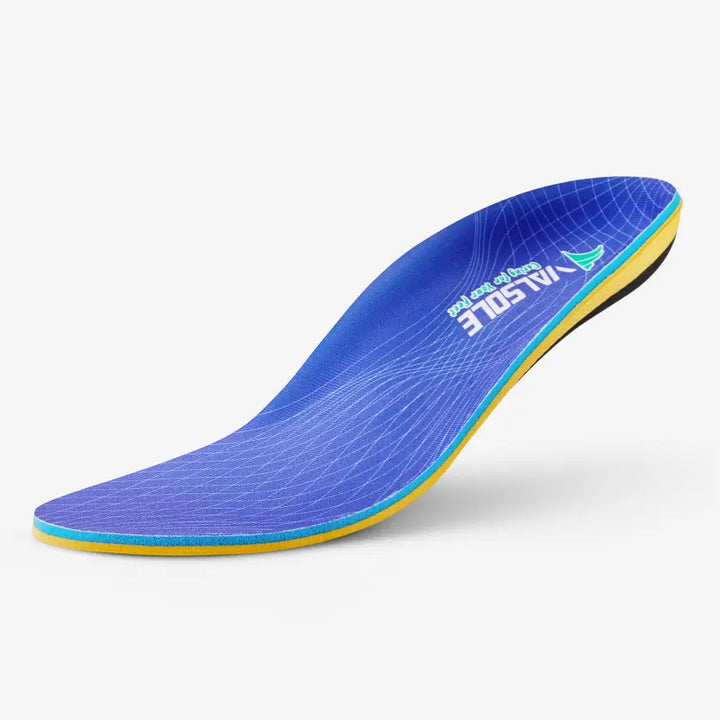
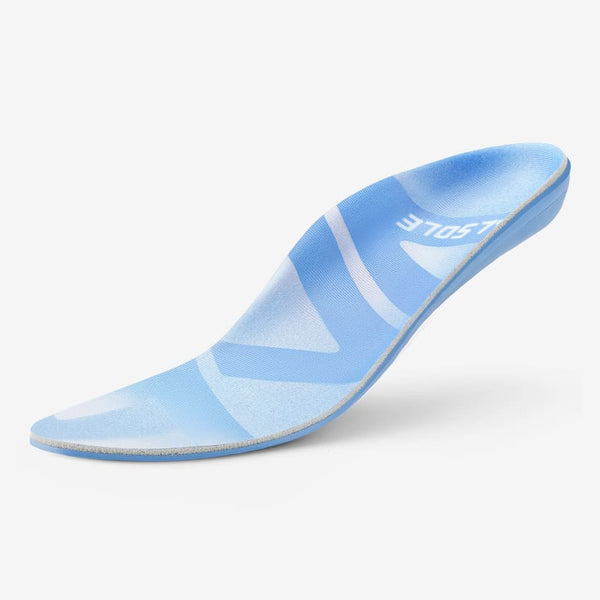
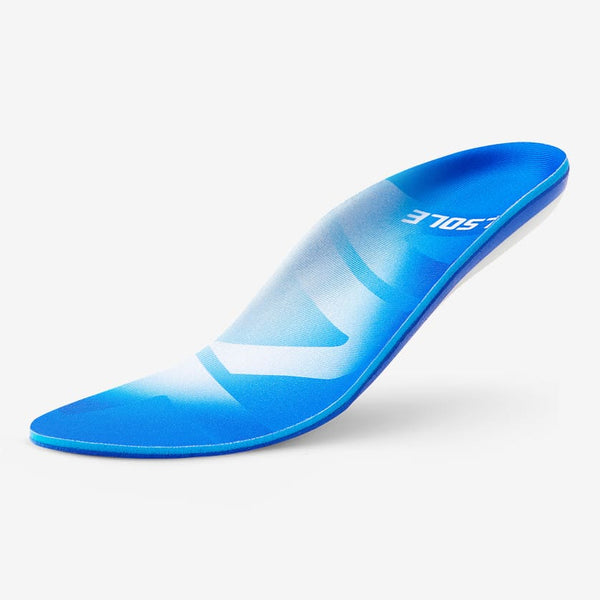
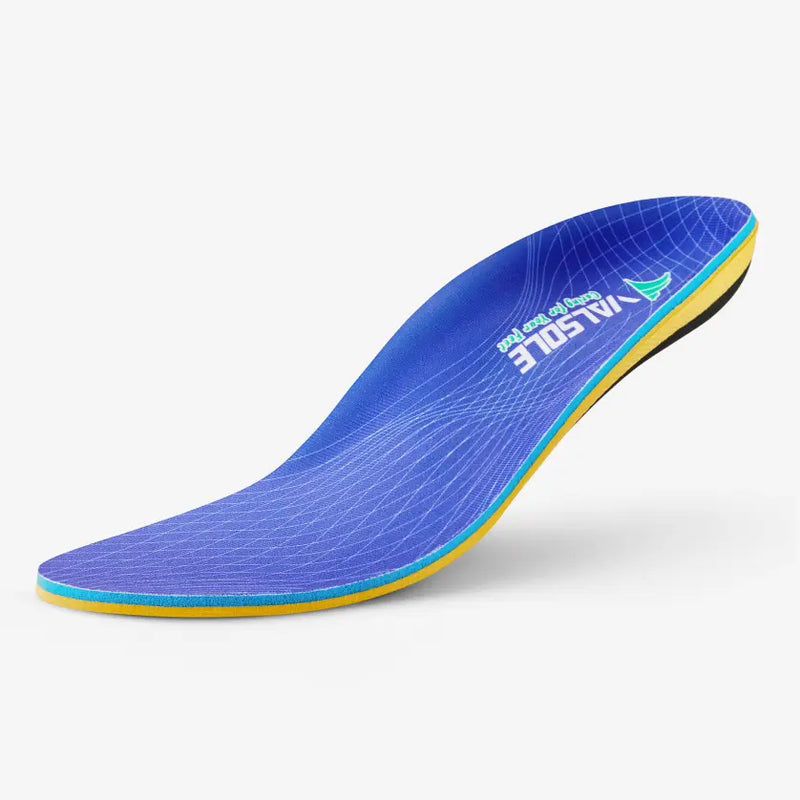
For long standing or work-shoe context, start with Heavy Duty and the Concrete Floor Insoles collection. Quick Match can help narrow a starting point by shoe and daily routine.
What This Means for Readers
The study does not evaluate or endorse VALSOLE products. Its practical lesson is modest: consider fit, shoe volume and use case as part of the question, rather than expecting one material label to answer everything.
Sources
- Scientific Reports / PubMed. Deformable foot orthoses shift the functional roles of foot and ankle joints during walking gait. May 27, 2026.
- Journal record. DOI: 10.1038/s41598-026-54750-3.