



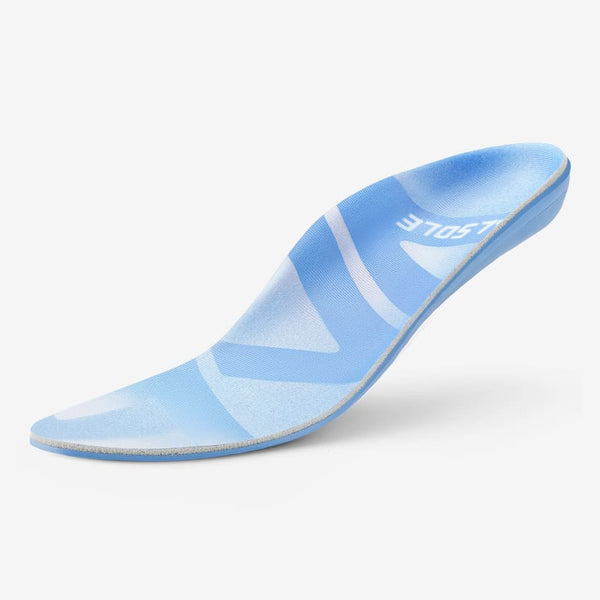
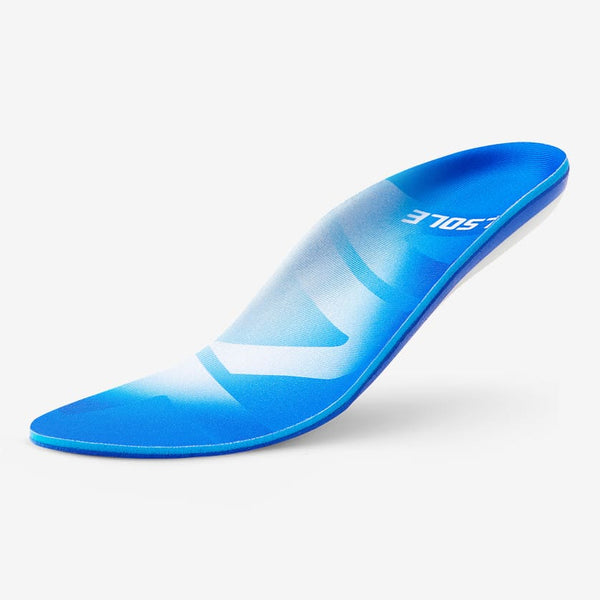
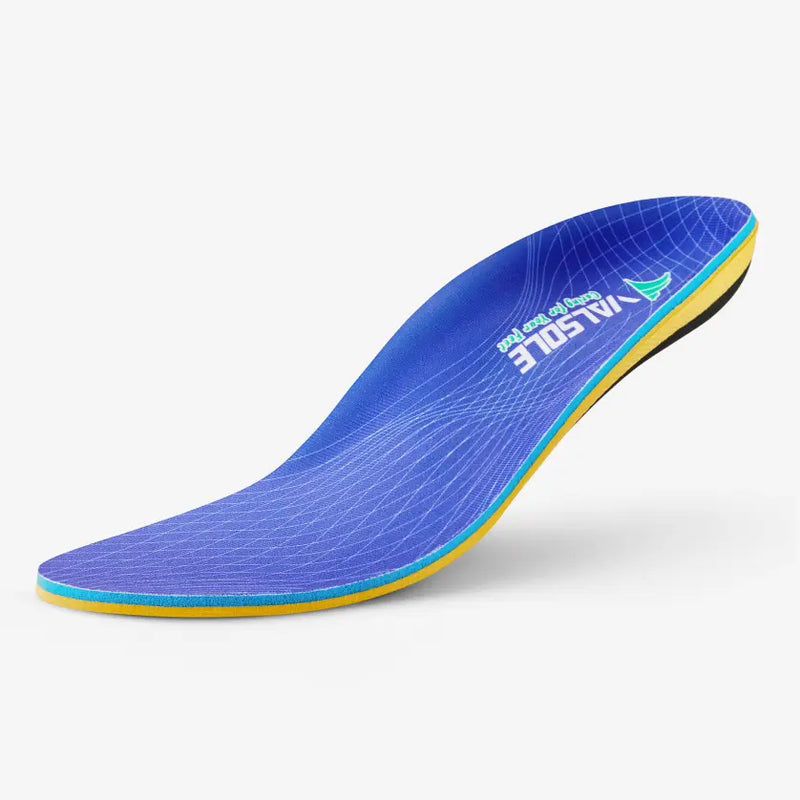


Quick Answer: An Insole Changes the Space Inside the Shoe
A 2026 footwear fit report shows substantial variation in foot width, proportions and left-to-right sizing among people who may share the same nominal shoe size. When an insole is added, the useful check is not the size label alone. Width, instep pressure, toe room and heel hold should all be reassessed inside the finished shoe-and-insole combination.
What Happened
GO Outdoors published a footwear fit report in April 2026 using a February survey of 2,000 UK adults and anonymized data from 500,000 in-store 3D scans. The company reported that 77% of survey respondents had never had their feet professionally measured and that almost half of the scan population did not have average foot proportions.
The report is retailer-produced research, not an independent clinical study. Its useful contribution is scale: it illustrates why a single length number cannot describe width, instep height, toe shape or differences between the left and right foot.
Why It Matters Now
Insole shopping often begins with arch profile or cushioning, but compatibility is decided inside a specific shoe. A thicker insert can raise the foot, reduce vertical room, change heel position or make the upper feel tighter. That does not automatically mean the insert or shoe is wrong; it means the complete setup needs a fresh fit check.
Who It Affects
This matters most to people moving an insert between work shoes, boots and everyday sneakers, because those shoes can have different internal shapes despite carrying the same printed size. It also matters when one foot is slightly larger or when a shoe has a fixed factory liner that cannot be removed.
Consumer Decision Context
- Width: confirm the forefoot is not being squeezed after the insert is in place.
- Instep: check for new pressure from the upper or laces as the foot sits higher.
- Heel hold: walk and confirm the heel remains secure without excessive lift.
- Toe room: reassess both feet while standing, not only while seated.
VALSOLE Support Path
The VALSOLE Insoles collection is the commercial route for comparing available support profiles. Readers who want a broader selection framework can use the Insoles Complete Guide, while Quick Match provides a shorter route based on shoe type and daily use.
What This Means for Readers
View the shoe and insert as one fit system. Keep the size label as a starting point, then judge the actual space around both feet after the insert is installed. Persistent rubbing, numbness, marked pressure or instability is a reason to stop using that combination and seek qualified fitting advice.
Sources
- GO Outdoors. Footwear Fit Report: Why Proper Shoe Fit Matters. April 1, 2026.
- Pedorthic Association of Australia. Pedorthic Footwear Standards. Version 1, January 2026.


