

What Happened: The 2026 Demographic Shift
Public health reports for mid-2026 indicate a "perfect storm" in the podiatry sector. Millennial patients (aged 30-45) now represent the fastest-growing demographic for chronic foot conditions like plantar fasciitis, Achilles tendinitis, and early-stage bunions. This surge is colliding with record-long wait times for specialist consultations, which have hit 78 weeks in some major metropolitan areas under public health systems like the UK’s NHS and similar regional providers in Canada and Australia.
Why It Matters Now: The "Wait-and-See" Risk
The danger of current wait times is that mild, treatable foot fatigue often progresses into chronic, debilitating injury while patients wait for an initial assessment. The 2026 data shows that millennials are particularly susceptible to this cycle because they often "push through" pain during high-intensity workouts or long commutes, exacerbating the structural damage before professional intervention is available.
Who It Affects: The High-Activity 30-45 Age Group
Experts attribute the millennial foot crisis to two factors: the long-term impact of wearing unsupportive fashion footwear in their 20s (such as thin-soled sneakers and heels) and the sudden increase in high-impact fitness trends like "hyrox" and ultra-walking in their 30s. The result is a generation whose foot structure is failing earlier than their predecessors.
Expert Context: The Shift to "Home-First" Prevention
In response to the specialist backlog, 2026 has seen a major clinical shift toward "Home-First" preventative protocols. Podiatric associations are now emphasizing the importance of high-grade, over-the-counter (OTC) orthotic support and structural footwear as a primary defense, rather than waiting for a custom medical prescription that may take over a year to fulfill.
What This Means for Readers: Don't Wait for the Appointment
If you are experiencing persistent foot discomfort, the 2026 advice is clear: proactive self-care is mandatory. This involves auditing your current footwear, integrating medical-grade arch support into daily shoes, and utilizing at-home recovery tools. Early intervention with supportive layers can often resolve issues before they require surgical or advanced clinical treatment.
Sources
- NHS England 2026 Podiatry Performance Report
- Journal of Orthopedic & Sports Physical Therapy: Millennial Pathology Study
- Global Healthcare Access Audit: 2026 Specialist Wait Times
Commercial Bridge: Taking Control of Your Foot Health
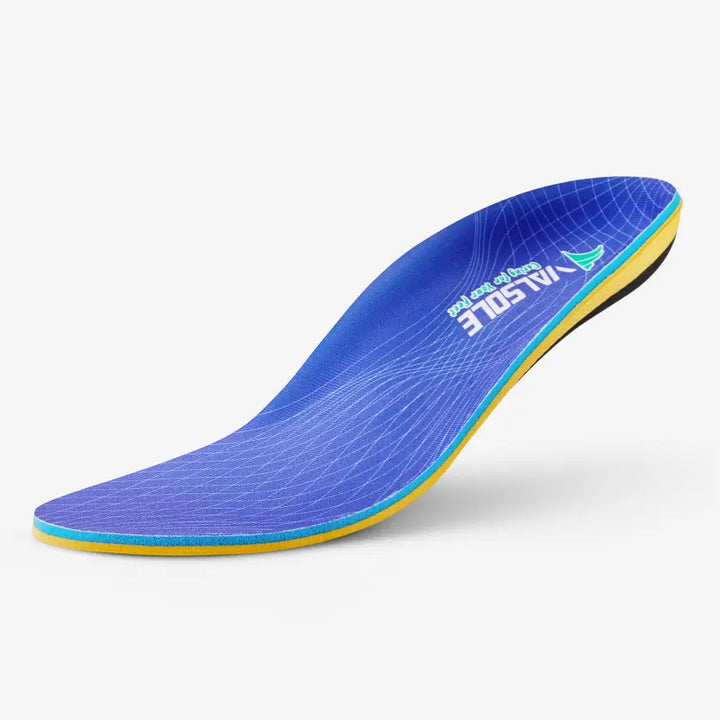
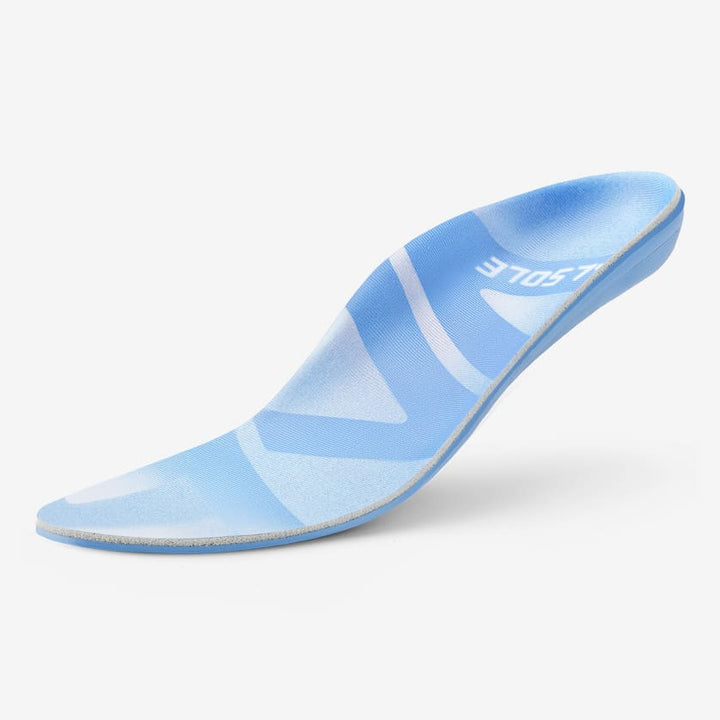
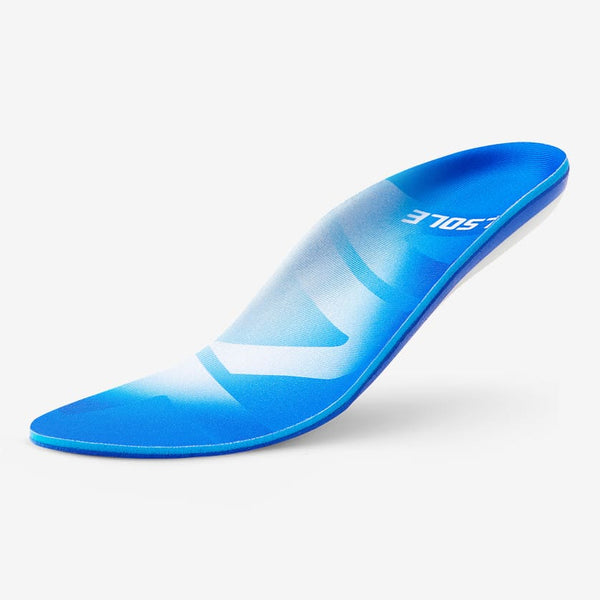
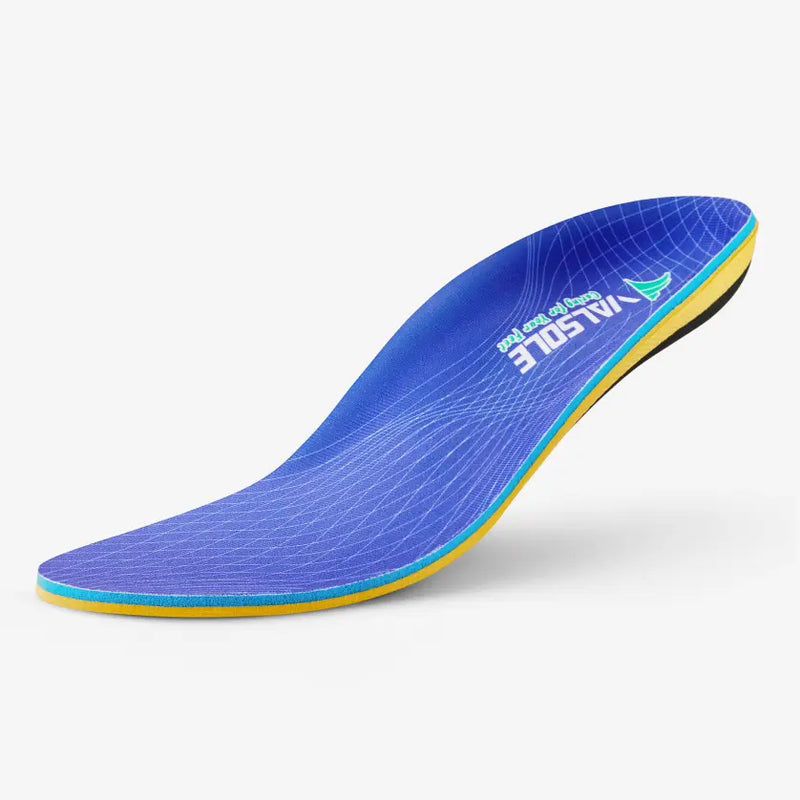
Beat the wait times by investing in your own preventative care. The VALSOLE Heavy Duty Insoles offer clinical-grade support that can be added to any daily shoe to stabilize the arch. If you're unsure where to start, our Foot Pain Relief Guide and Insoles Complete Guide provide the frameworks you need. To quickly find the right fit for your specific pain point, use our Quick Match Tool today.