

Quick Answer: A Softer First Step Does Not Guarantee a Better Day
A 2026 study asked 30 adults to wear four commercially available insoles during normal daily activity. Similar numbers reported meaningfully more and less comfort across the tested conditions, while biomechanical changes did not map neatly to comfort ratings. The practical lesson is to assess an insole inside the intended shoe over time, not by softness alone.
What Happened
Researchers at the University of Salford compared each participant's usual shoe setup with four commercial insole conditions. The products varied in thickness, foam, gel and arch contour. A wearable sensor recorded several movement measures while participants went through a typical day, and the researchers compared those measurements with reported comfort.
The study found mixed comfort responses. Impact shock appeared relevant to comfort perception, but changes in the measured variables were not a simple more-cushioning-equals-more-comfort pattern. The test lasted one day per condition and involved healthy adults, so it cannot answer questions about long-term wear or specific health conditions.
Why It Matters Now
Insole shoppers often make a decision during a short press test or a few steps indoors. That test can identify an obvious pressure point, but it cannot reproduce several hours of standing, walking and shoe movement. Thickness can also change heel hold and toe room, which means the same insert may feel different in a work boot and a lower-volume casual shoe.
Who It Affects
The study is most useful for adults comparing over-the-counter insoles for everyday shoes. It does not establish that one material or profile is right for every arch, body load or work routine. People using prescribed devices should follow the fitting instructions provided by their clinician.
Consumer Decision Context
- Start with shoe volume: confirm that the insert fits without lifting the heel or crowding the forefoot.
- Compare stability and pressure: notice whether the foot feels supported without a concentrated arch hot spot.
- Use a realistic trial: evaluate the insert during the standing and walking pattern it is meant to support.
- Inspect the setup: trimming errors, folded edges and leaving the stock footbed underneath can change the result.
VALSOLE Support Path
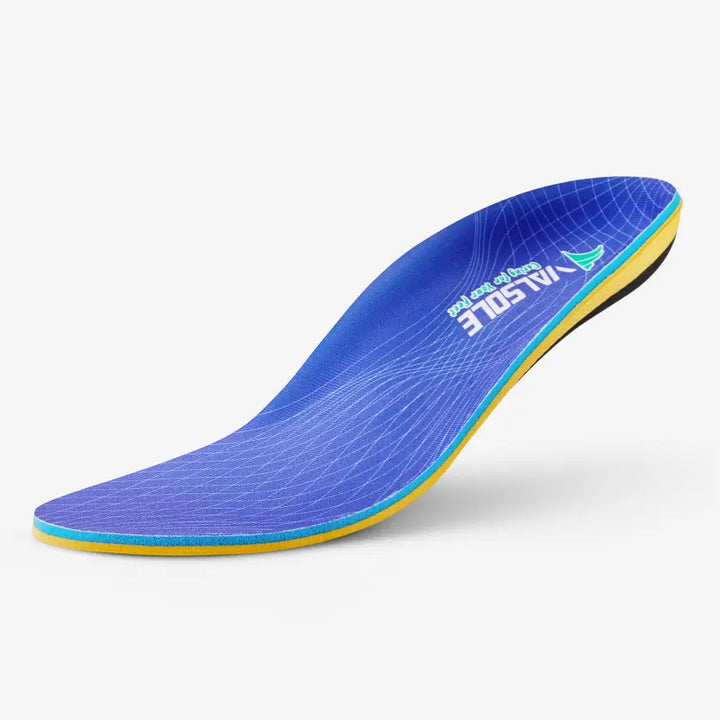
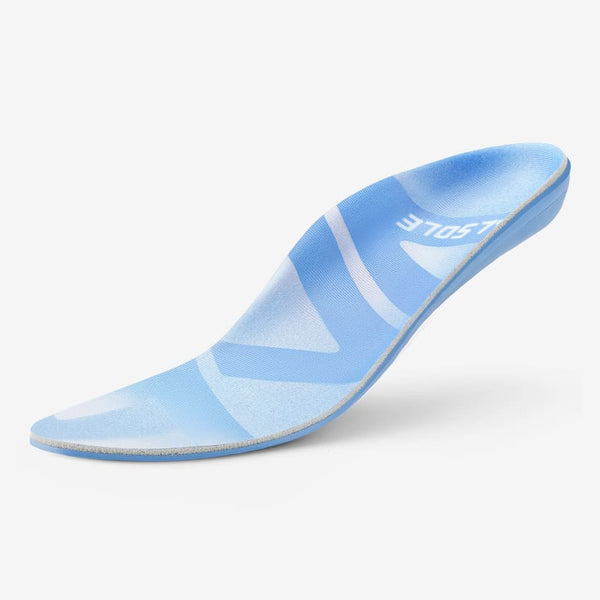
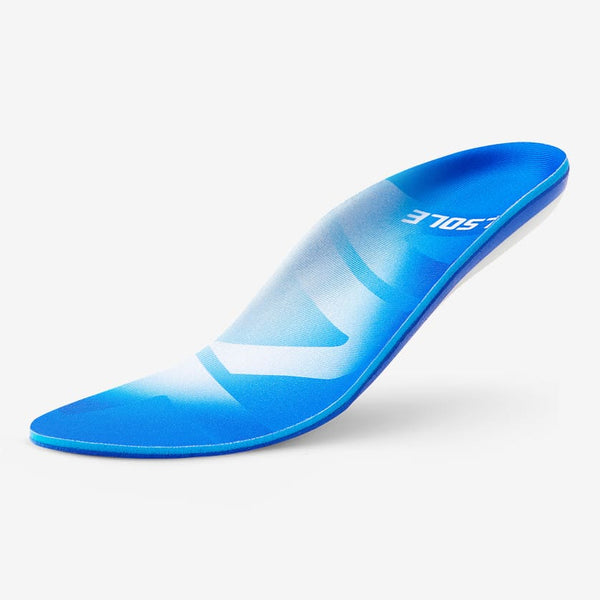
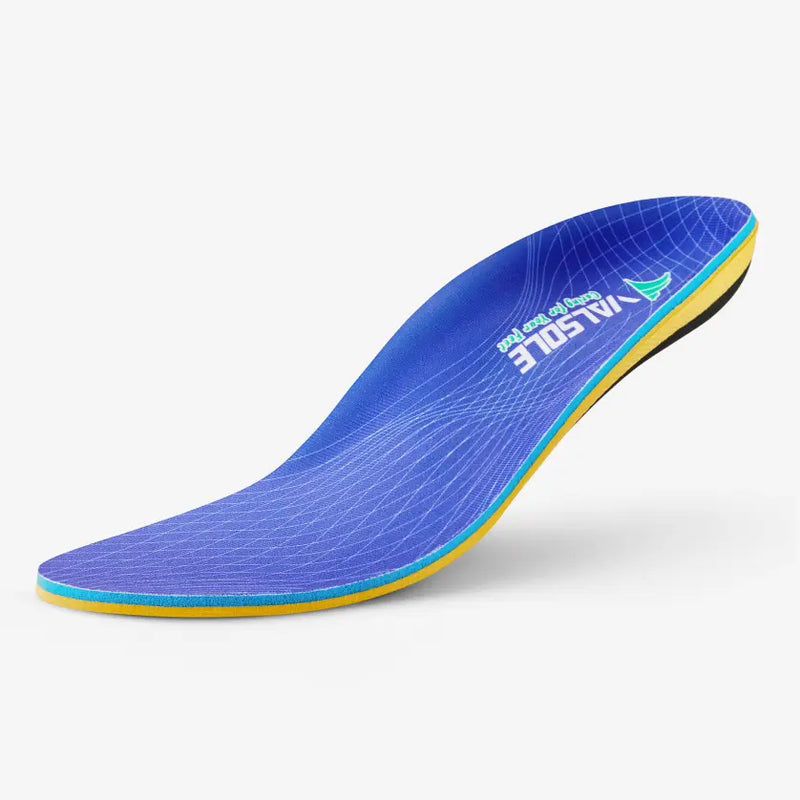
Readers comparing support for hard-surface routines can review the Concrete Floor Insoles collection. The Insoles Complete Guide explains support, cushioning and shoe-fit tradeoffs, while the Heavy Duty insole is one route for higher-load work footwear when its volume and support profile match the shoe.
What This Means for Readers
Comfort is personal, and this study supports a more careful trial process rather than a universal winner. An insert that feels softer immediately may not remain the most comfortable after hours of use. Stop using a setup that creates new numbness, marked pressure or worsening discomfort, and seek professional guidance when symptoms are persistent or severe.
Sources
- Lewin M, Jones RK, Price C. Do Commercially Available Insoles Meaningfully Change Reported Comfort and Biomechanics During One Day of Wear? Journal of Foot and Ankle Research. 2026;19:e70163.
- REI Co-op Expert Advice. How to Choose Insoles. Accessed July 2026.