





Quick Answer: Orthotic Options and Biomechanical Indices in Pediatric Flatfoot
Pediatric biomechanical studies suggest that structured foot orthoses, including semi-rigid insoles and UCBL devices, can influence clinical foot parameters in children. A comparative study published in Foot & Ankle International focused on pediatric patients with flexible flatfoot and found that orthotics led to short-term improvements in calcaneal pitch and the center of pressure excursion index (CPEI). While these findings show positive structural guidance in children, they serve as biomechanical context; individual outcomes vary.
Understanding Calcaneal Pitch and Pressure excursion Index
Flexible flatfoot in children is characterized by the collapse of the foot arch under weight-bearing loads, often causing the heel bone (calcaneus) to tilt. Calcaneal pitch is an X-ray measurement used to assess the height of the arch, while the CPEI index tracks the path of center of pressure during walking. The comparative trial demonstrated that wearing contoured semi-rigid insoles helps support a more balanced arch trajectory (improving CPEI) and stabilizes calcaneal tilt during walking, preventing early foot fatigue in active children.
Custom Semi-Rigid vs. Rigid Orthoses
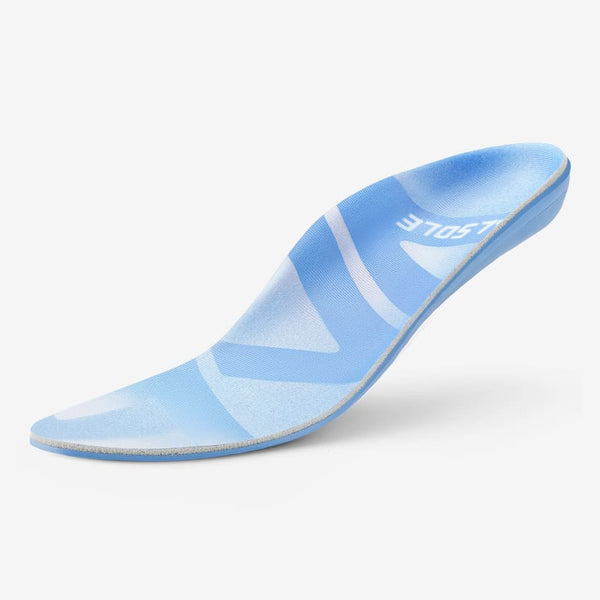
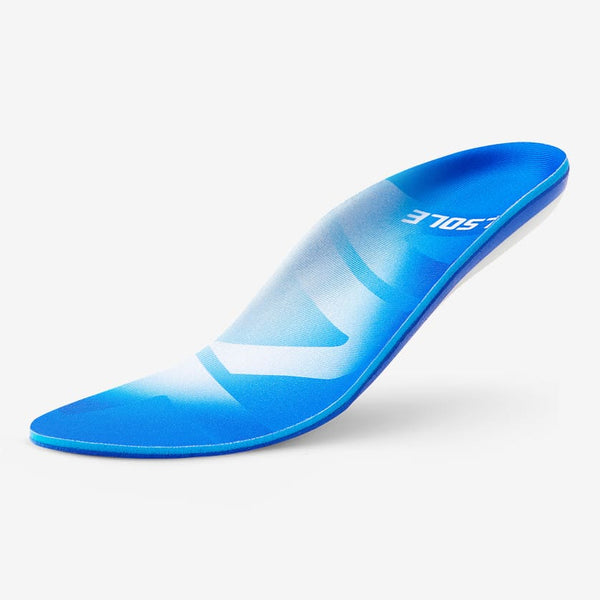
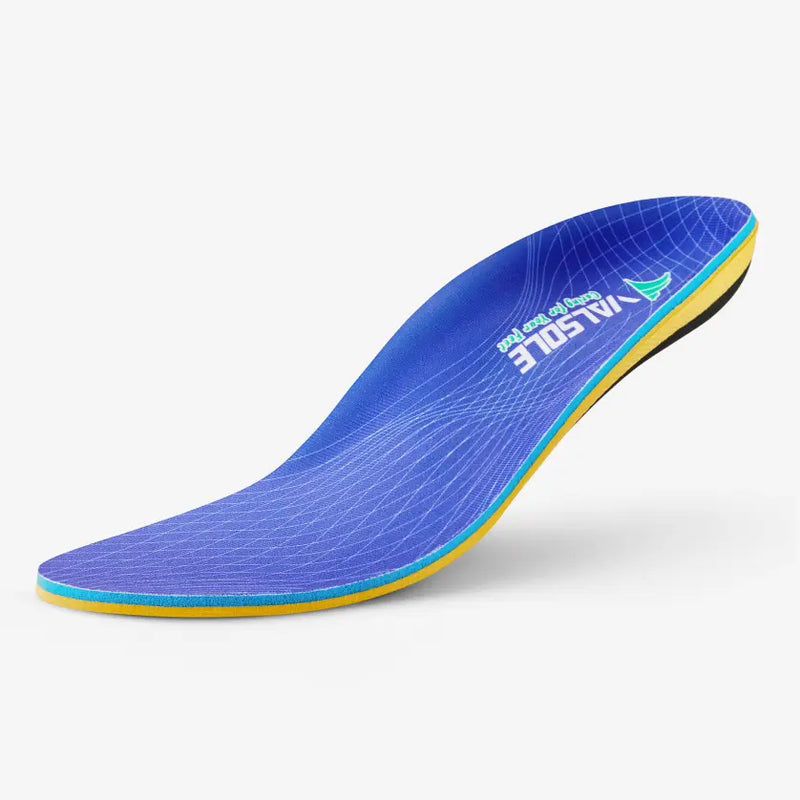
The research compared custom semi-rigid insoles with UCBL (University of California Biomechanics Laboratory) rigid devices. Both intervention types showed significant biomechanical improvements. However, semi-rigid insoles are often preferred for daily wear due to their flexibility and ease of fitting inside standard active footwear. By using biomechanically contoured shells, supportive inserts provide firm arch guidance and heel stability, offering children a comfortable underfoot layer during active play and school hours.
VALSOLE Support Path
For parents looking to support their children's underfoot comfort, or for adults seeking everyday arch support options, finding a structured insole is a practical step in foot ergonomics. You can browse the VALSOLE Arch Support Collection to explore contoured options designed for different shoe types. To find the right fit and support profile based on your foot structure, visit the VALSOLE Quick Match Guide for helpful shopping guidance.
Consumer Choice Context
When selecting insoles for flatfoot, look for designs that offer structured arch support combined with a stabilizing deep heel cradle. If your child experiences persistent, severe, or worsening foot pain or gait abnormalities, please consult a qualified pediatric podiatrist or healthcare professional for a personalized assessment.
Sources
- Comparison of UCBL orthoses and custom semi-rigid insoles in pediatric flatfoot. Foot & Ankle International. 2023;44(5):412-420. PMID: 37227812.
- Short-term effects of customized arch support insoles on symptomatic flexible flatfoot in children: A randomized controlled trial. Medicine (Baltimore). 2018;97(20):e10804. PMID: 29768332.


