

Quick Answer: Recovery Slides Are Being Tested for More Than Softness
Updated 2026 editorial tests evaluate recovery slides by fit, stability, durability and walking behavior alongside cushioning. That broader checklist reflects how shoppers actually use the category: at home, after activity, on errands and across hard floors. These tests are product reviews, not clinical evidence that a slide accelerates physical recovery.
What Happened
Verywell Fit updated its 2026 recovery-slide testing after more than 3,000 hours of use across multiple products. Its stated criteria included support, stability, comfort, fit and durability. Outside also refreshed its recovery-sandal guide in June 2026, comparing products across everyday use cases rather than treating every foam slide as interchangeable.
The test results differ by product and reviewer, but the shared editorial shift is useful: an unstable or poorly fitting slide can fail even when its foam feels soft. A secure upper, appropriately shaped footbed and outsole behavior matter when the wearer moves beyond a short post-workout transition.
Why It Matters Now
Recovery footwear has expanded into daily routines, but evidence for specific recovery outcomes remains limited. A February 2026 Time review noted that much of the available research is narrow or connected to footwear companies. Consumers therefore need to separate a comfort-and-use decision from a health outcome claim.
Who It Affects
The updated checklist is relevant to shoppers comparing open footwear for post-activity use, after-shift routines or indoor hard floors. People who need lateral security, substantial walking support or prescribed footwear may require a different design than a simple open slide.
Consumer Decision Context
- Fit: the foot should remain centered without constant toe gripping.
- Stability: compare base width, heel position and side-to-side movement.
- Use case: a short transition after exercise is different from errands or extended hard-floor wear.
- Durability: check whether the foam and outsole keep their shape and traction over time.
VALSOLE Support Path
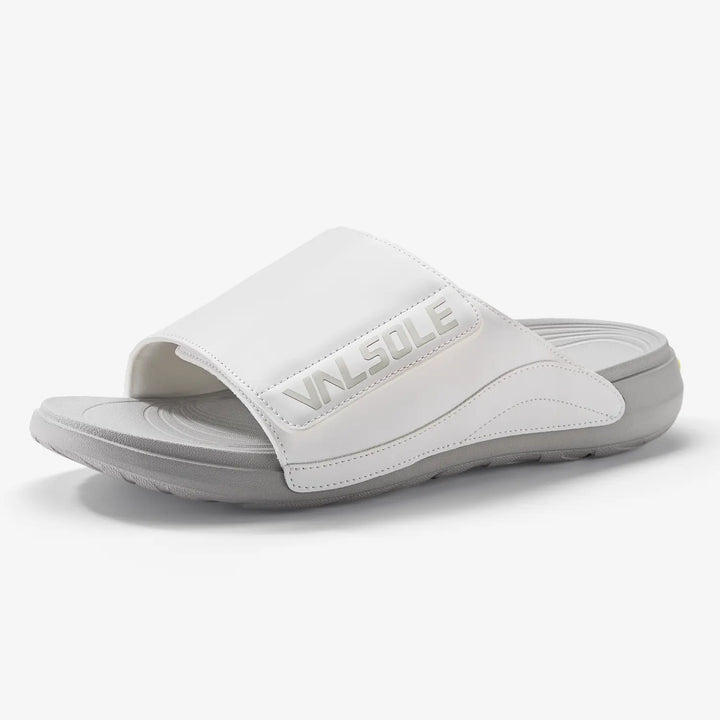
Shoppers comparing brand and use-case differences can start with the OOFOS Alternative guide. The Recovery Slides collection provides the category route, while the VALSOLE Recovery Slide is the direct product path for readers whose priority is structured, open recovery footwear.
What This Means for Readers
The phrase recovery slide should not replace a clear buying checklist. Compare the product by fit, stability and intended walking load, and be skeptical of promises that go beyond the available evidence. New, severe or persistent symptoms should be discussed with a qualified healthcare professional.
Sources
- Verywell Fit. The 12 Best Recovery Slides of 2026, After Over 3,000 Hours of Testing. Updated June 2026.
- Outside. Best Recovery Sandals and Slides of 2026, Tested and Reviewed. Updated June 2026.
- Time. Do Recovery Shoes Actually Work? February 2026.