





Quick Answer: A Removable Liner Does Not Automatically Mean Extra Space
The Pedorthic Association of Australia's 2026 footwear standards define extra-depth footwear through measurable added depth plus other fit requirements. The practical lesson for everyday insole users is narrower: removing a factory liner can create space, but the finished setup still needs adequate width, toe-box room, secure closure and stable heel positioning.
What Happened
The association released Version 1 of its Pedorthic Footwear Standards in January 2026. For the formal extra-depth category, the document describes at least 6 millimeters of added depth across the plantar surface, one or more removable insole layers, at least three width fittings, adequate toe-box volume and an adjustable closure.
Those specifications apply to a defined professional footwear category. They should not be used to label an ordinary sneaker, boot or retail insert as extra-depth. They do, however, show how many variables sit behind the simple phrase “fits an insole.”
Why It Matters Now
Adding an insert without accounting for shoe volume can move the foot upward and forward. The result may be a tighter upper, less toe clearance or a heel that no longer sits where the shoe was designed to hold it. A removable factory liner is useful only when the replacement setup preserves a workable fit.
Who It Affects
The compatibility check is especially relevant for work boots, safety shoes and low-volume casual footwear. It also matters for shoppers who switch one insert between several pairs, because factory liners and internal shoe shapes vary even at the same stated size.
Consumer Decision Context
- Confirm whether the factory liner is removable and compare its thickness with the replacement insert.
- Place both feet in the completed setup and check toe clearance, width and instep pressure.
- Secure the closure normally and walk long enough to observe heel lift or side-to-side movement.
- Do not stack multiple full-length inserts unless the shoe was designed with enough volume for that setup.
VALSOLE Support Path
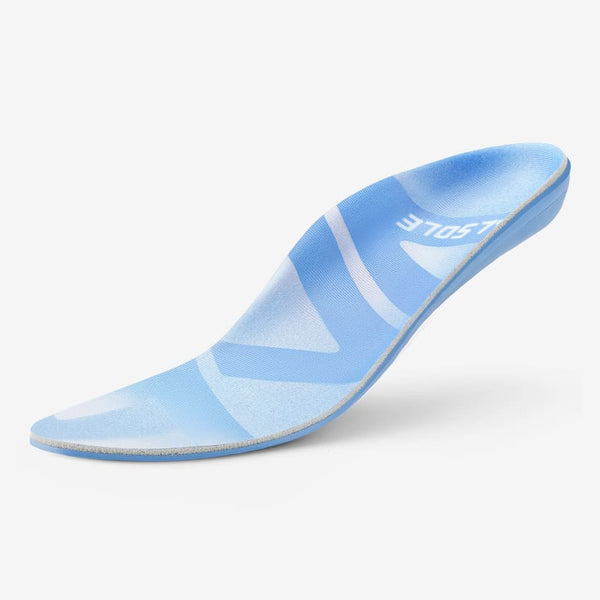
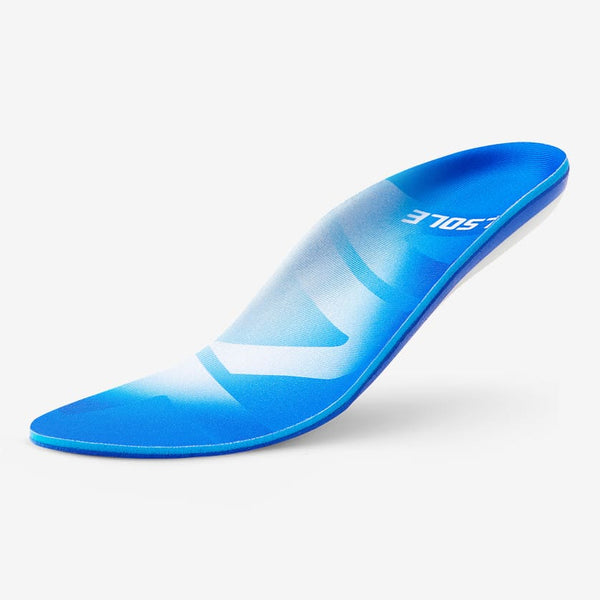
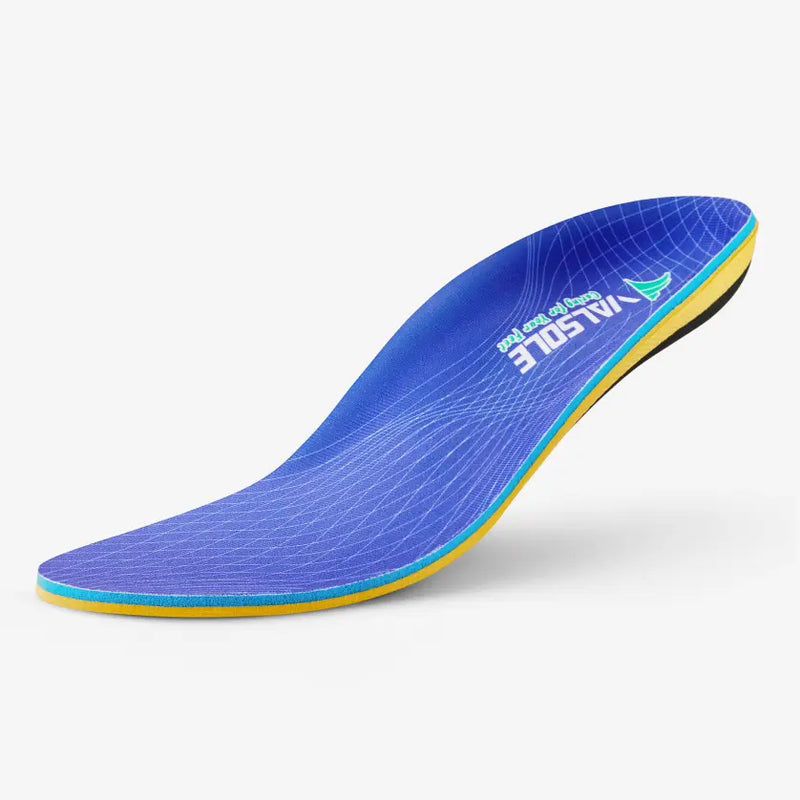
Readers can compare full-length options in the VALSOLE Insoles collection. The Work Boot Insoles collection is the established commercial route for work footwear, and Quick Match helps narrow choices by shoe and use case.
What This Means for Readers
Use professional standards as a reminder to inspect the whole fit system, not as a certification shortcut. The right insert still needs the right shoe volume. If the completed setup creates persistent pressure, numbness, rubbing or insecure footing, stop and reassess the combination.
Sources
- Pedorthic Association of Australia. Pedorthic Footwear Standards. Version 1, January 2026.
- GO Outdoors. Footwear Fit Report: Why Proper Shoe Fit Matters. April 1, 2026.


