





Quick Answer: A Footwear Change Can Redistribute Load
A 2026 biomechanical study compared three footwear conditions in 13 healthy adults. The reported rocker-style footwear reduced selected forefoot and toe measures while shifting loading toward the midfoot. The result describes a small controlled comparison, not a universal comfort recommendation.
What Happened
Participants walked on a treadmill in their own shoes, a prefabricated orthopedic shoe, and a therapeutic comfort shoe with rocker geometry and greater midsole stiffness. Researchers measured plantar-pressure and bending-moment variables and found differences among the footwear conditions.
Why It Matters Now
Footwear language often implies that one feature simply removes load. The study provides a more precise frame: changing footwear geometry can move loading patterns. That makes fit, activity and the rest of the shoe setup relevant to interpretation.
Consumer Decision Context
- Compare footwear by the activity and shoe fit, not a single headline feature.
- Do not assume research footwear is equivalent to an insert in another shoe.
- For a medical footwear question, consult an appropriate clinician.
VALSOLE Support Path
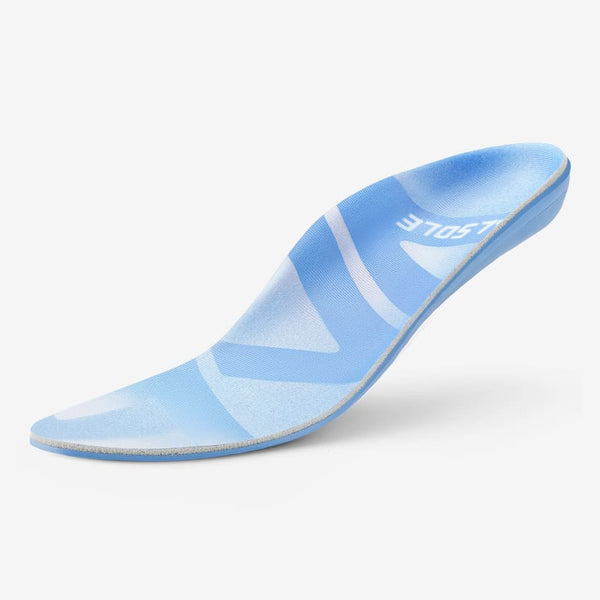
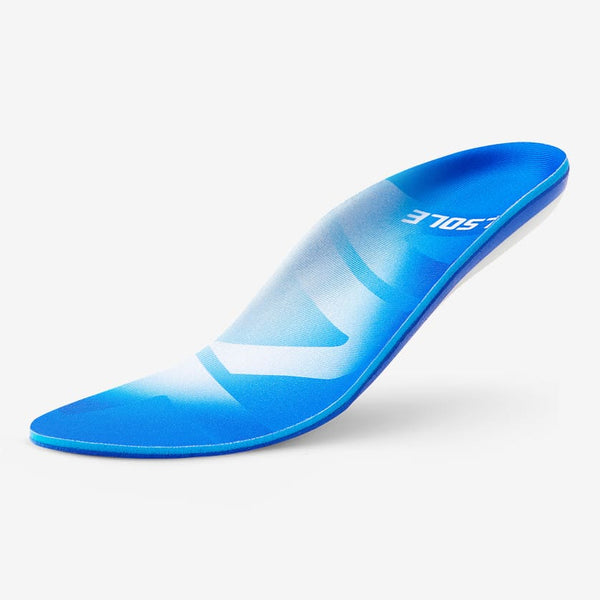
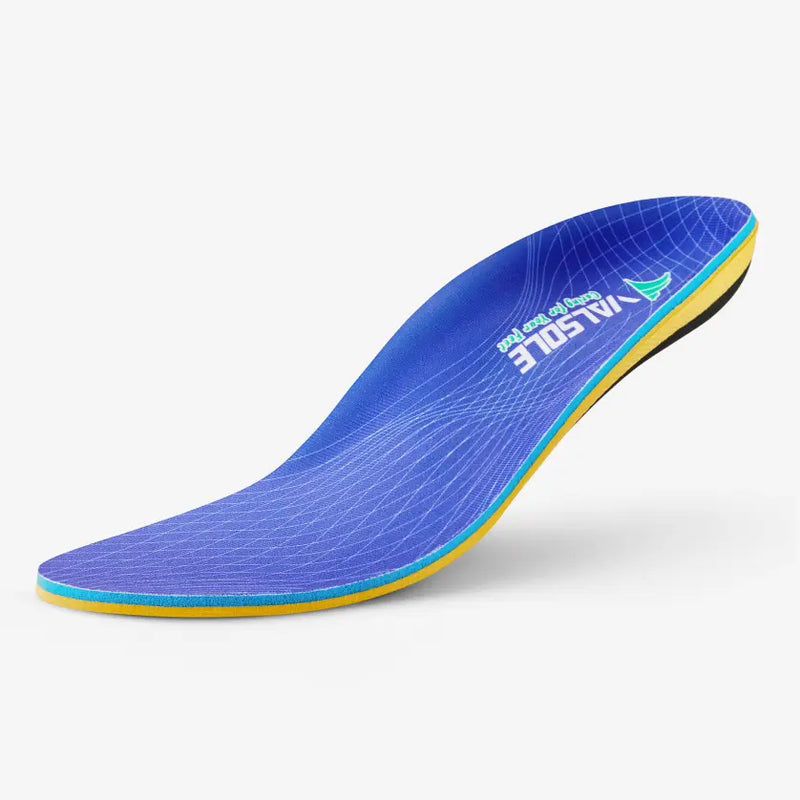
Readers comparing everyday walking setups can start with the Walking Shoe Insoles collection, then use the Insoles Complete Guide and Quick Match for fit context.
What This Means for Readers
The study does not test VALSOLE products or identify a best shoe. It supports a more careful reading habit: ask where a measured change occurred, what else changed, and whether the test setting matches your use case.
Sources
- Gait & Posture / PubMed. Influence of prefabricated orthopedic footwear with rocker soles on foot loading while walking. July 2026.
- Journal record. DOI: 10.1016/j.gaitpost.2026.110201.


