





Quick Answer: A Gait Measure Is Not a Universal Product Verdict
A 2026 laboratory study tested medially wedged orthoses in 30 runners with patellofemoral pain. It found time-specific changes in several movement measures, while acute pain did not change in the reported test. The result concerns a defined clinical sample and specialized intervention, not ordinary retail insoles.
What Happened
Researchers compared participants' original shoe insoles with four-degree medially wedged orthoses during running. Their analysis examined movement through the stance phase rather than only a single peak value. The authors reported changes in rearfoot, tibial and femoral measures, alongside no immediate pain change in the trial.
Why It Matters Now
Words such as support, alignment and stability can sound like one simple promise. This study is a reminder that a mechanical measurement, a person's experience and a clinical outcome are separate questions. They should not be collapsed into a product claim.
Consumer Decision Context
- Match the shoe and insert to the routine being considered.
- Do not assume a study device is interchangeable with any over-the-counter insert.
- Seek individualized guidance for running-related symptoms or a clinical condition.
VALSOLE Support Path
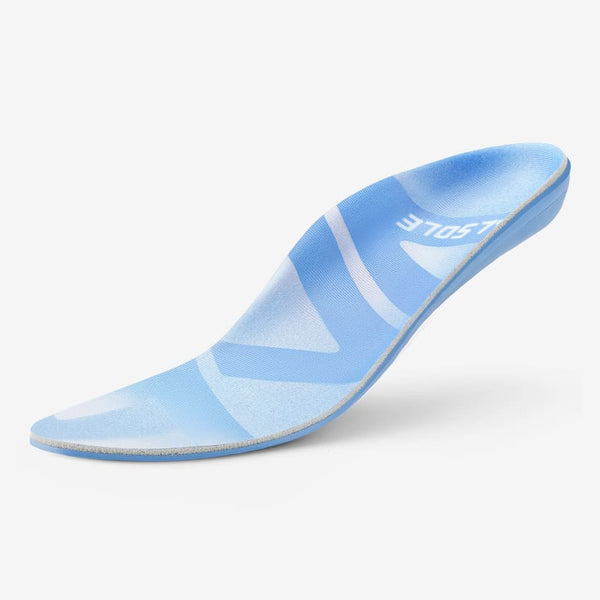
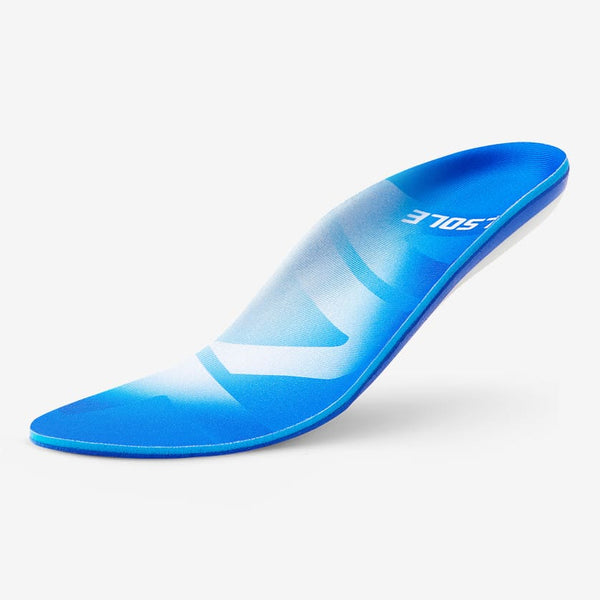
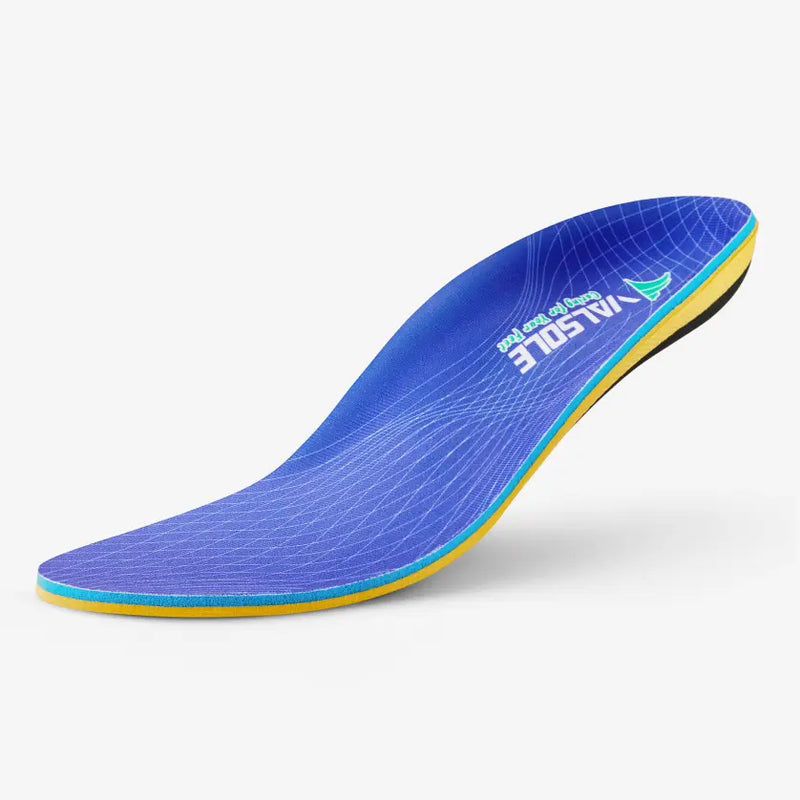
For general selection context, start with the Insoles Complete Guide. Readers can browse the VALSOLE Insoles collection or use Quick Match by footwear and daily routine.
What This Means for Readers
The consumer takeaway is evidence literacy, not a clinical recommendation: ask what was measured, in whom, and with what device before applying a headline to a different shoe setup.
Sources
- Sports Biomechanics / PubMed. Foot orthoses alter kinematics in runners with patellofemoral pain: a statistical parametric mapping analysis. August 17, 2026.
- Journal record. DOI: 10.1080/14763141.2026.2701982.


