





Quick Answer: Safety-Boot Comfort Starts With the Whole Fit System
New 2026 research involving Canadian construction workers links reported safety-boot comfort with features including fit, arch support, flexibility and warmth. Because the study was observational, it does not prove that one feature causes a specific outcome. It does show why workers should evaluate the boot, its stock footbed and any replacement insole as one system.
What Happened
A study published in the July 2026 issue of Applied Ergonomics analyzed survey data from 110 Canadian construction workers. The researchers examined associations between winter safety-boot features and reported comfort, mobility, performance, slips and falls. Fit, arch support and shaft flexibility emerged as recurring factors in the workers' responses.
The study did not test VALSOLE products, and its cross-sectional design cannot establish cause and effect. Its value for consumers is narrower and practical: safety footwear is not judged by cushioning alone. The shape and volume of the boot, the way the heel is held and the room left around the toes all affect the final setup.
Why It Matters Now
Many work boots are selected first for job-site requirements, then worn for full shifts on concrete or other hard surfaces. Adding a thick insert without checking internal volume can lift the foot, crowd the toe box or change heel hold. A softer layer may feel pleasant during a short try-on while still creating a poor fit later in the day.
A separate 2026 systematic review of prolonged-standing footwear also found wide variation across workers, tasks and study methods. That makes a universal answer unlikely. The useful question is whether the complete boot-and-insole combination stays stable and comfortable during the actual work routine.
Who It Affects
The findings are most relevant to people who spend long shifts in required safety footwear, including construction, warehouse, maintenance and industrial workers. They are less directly applicable to casual shoes, running footwear or people with a diagnosed condition requiring individualized professional guidance.
Consumer Decision Context
- Check volume: remove the stock footbed before adding a full-length replacement unless the shoe is designed for layering.
- Check heel hold: the heel should feel secure without being pinched or lifted excessively.
- Check toe clearance: support should not reduce the working space needed inside a safety toe.
- Check the full shift: assess comfort after standing, walking, turning and lifting, not only during the first few minutes.
VALSOLE Support Path
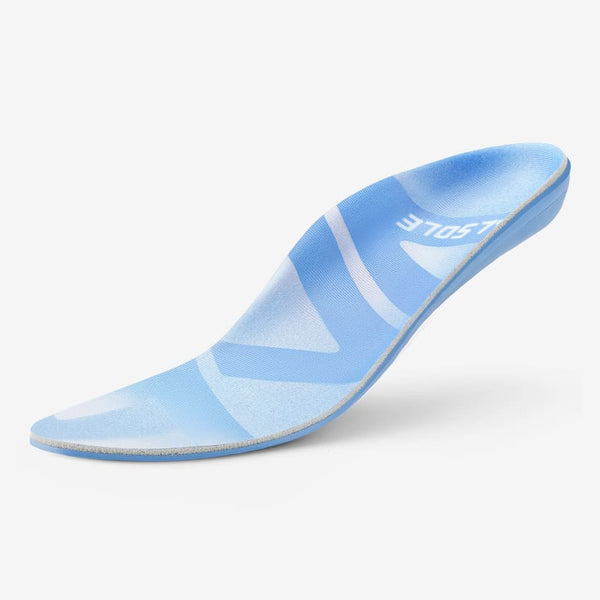
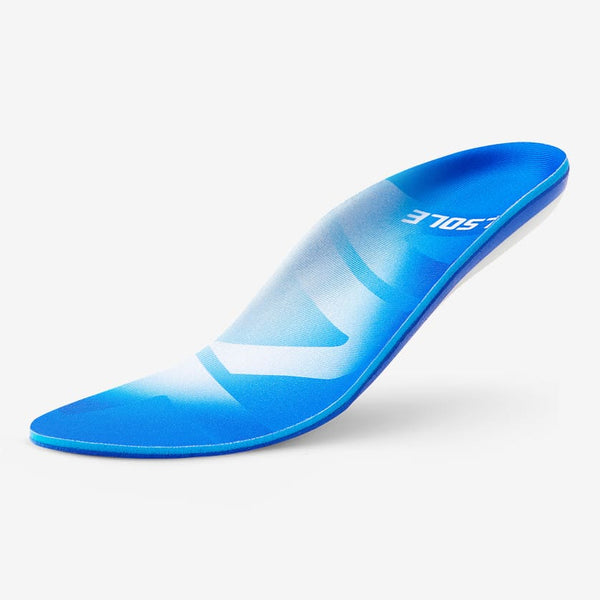
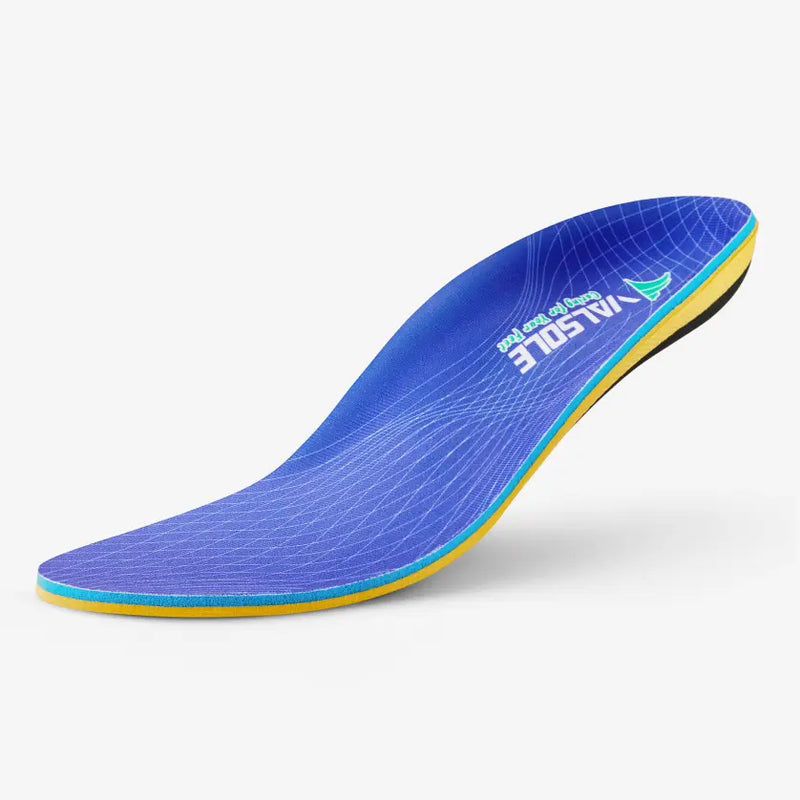
Workers comparing replacement support can start with the work-boot insole collection, then use the concrete-floor support route when hard surfaces are the main load. The VALSOLE Quick Match guide provides a next step for narrowing support by footwear type and daily routine.
What This Means for Readers
The safest takeaway is not that every safety boot needs a firmer or thicker insert. It is that an insole should be assessed inside the actual boot and under the actual shift demands. Sudden, severe, persistent or worsening discomfort should be evaluated by a qualified healthcare professional rather than managed only through footwear changes.
Sources
- Shirzadeh A, et al. Safety boots' impact on comfort, mobility, performance, musculoskeletal disorders, slips, and falls in Canadian construction. Applied Ergonomics. July 2026.
- Influence of Footwear on Foot Comfort of Workers Engaged in Prolonged Standing Occupations: A Systematic Review. Safety and Health at Work. 2026.


