





Quick Answer: Check Certification Before Changing the Footbed
ASTM F2413-24, the active performance specification for protective toe-cap footwear, states that replacing or adding aftermarket footbeds or inserts could invalidate the ASTM marking. It does not say every change always voids a marked shoe, but it makes verification essential before modifying footwear used for workplace protection.
What Happened
The current ASTM product page includes a warning in scope section 1.4 about aftermarket components. Protective footwear is tested and marked as a defined construction. Changing what sits inside the shoe can alter available toe clearance, fit and the tested configuration.
OSHA guidance separately emphasizes selecting protective footwear for the hazards present at the workplace. The employer's requirements, the footwear label and the manufacturer's instructions all matter for a specific decision.
Why It Matters Now
Adding an insole to a work boot can feel like a routine comfort adjustment. In safety-toe footwear, however, the space above and around the toes is constrained by the protective cap. An insert that raises the foot or changes heel position may affect fit even when it fits physically inside the boot.
Who It Affects
This checkpoint matters to workers, safety managers and employers using footwear marked to ASTM F2413 requirements. It is especially relevant when replacing the original removable footbed, stacking an insert on top of it or moving an insert between different safety-toe models.
Consumer Decision Context
- Read the label: identify the exact protective-footwear marking and model.
- Ask the manufacturer: confirm whether the proposed replacement or addition is permitted for that model.
- Check workplace rules: the employer or safety program may impose additional requirements.
- Do not stack by default: extra thickness can reduce internal clearance and alter heel security.
VALSOLE Support Path
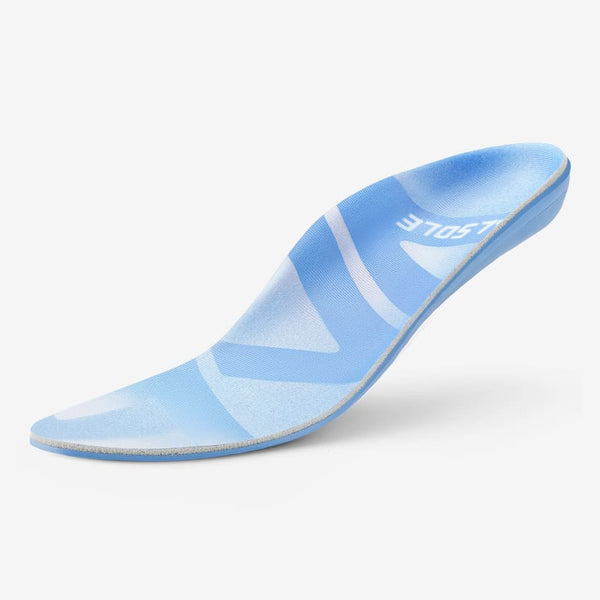
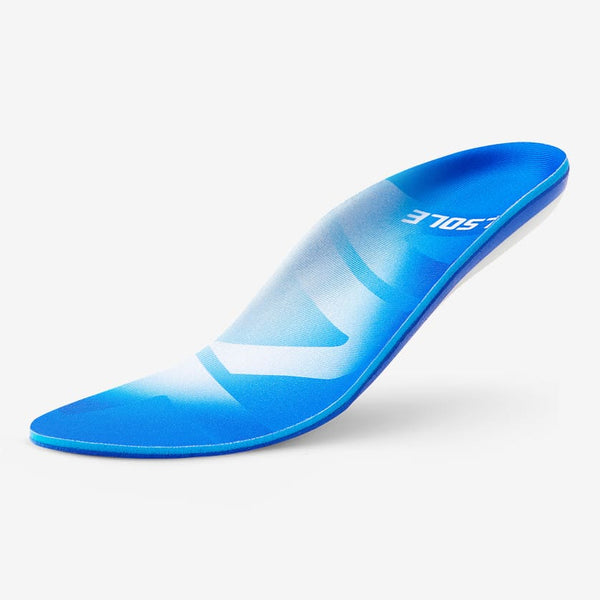
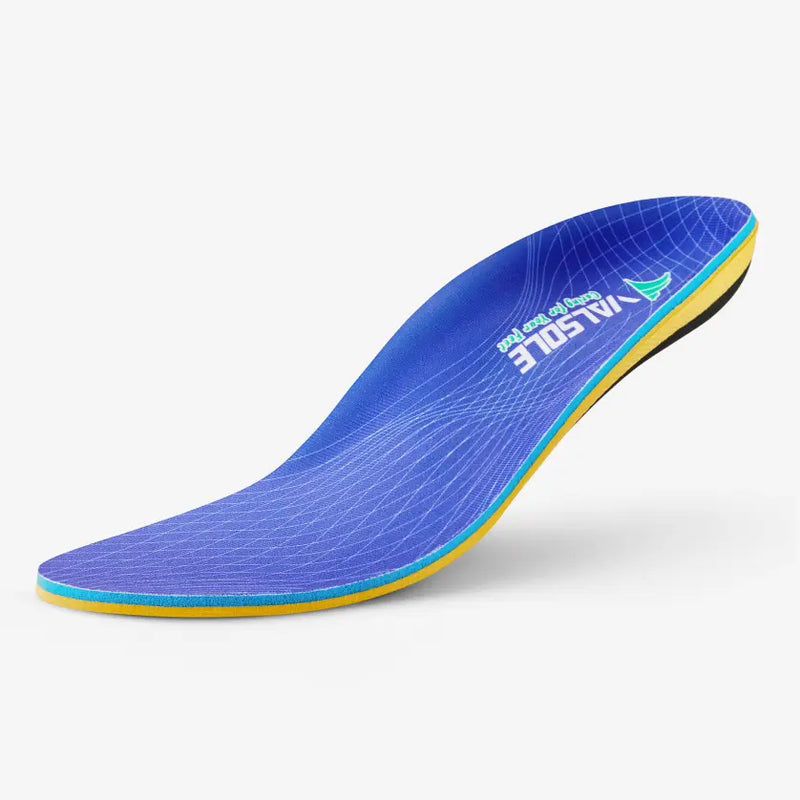
The Work Boot Insoles collection is the relevant commercial route, but product fit does not establish preserved safety certification. Use the Standing All Day Support Guide for broader decision context, and Quick Match to narrow options only after certification requirements are clear.
What This Means for Readers
For ordinary footwear, insert selection centers on fit and intended use. For marked protective footwear, add a certification checkpoint before purchase or installation. Keep the original footbed available, avoid assumptions across models and obtain model-specific guidance from the responsible manufacturer or workplace authority.
Sources
- ASTM International. ASTM F2413-24: Standard Specification for Performance Requirements for Protective (Safety) Toe Cap Footwear.
- Occupational Safety and Health Administration. Personal protective equipment; general requirements. December 9, 2013.


