





Quick Answer: Shoe Fit Comes Before an Insole Decision
A 2026 study compared appropriately fitted shoes with shoes that were one, two and three centimeters longer in healthy adults. Larger mismatches changed measured walking time and lower-limb motion. It is not an insole trial, but it supports a practical order of operations: check the shoe's length and hold before judging an insert.
What Happened
Thirty adults completed walking tests in a fitted condition and in oversized shoe conditions. The researchers reported longer 10-meter walking times in the larger mismatch conditions and changes in sagittal-plane motion. The study examined controlled tests in healthy adults, not everyday comfort outcomes or VALSOLE products.
Why It Matters Now
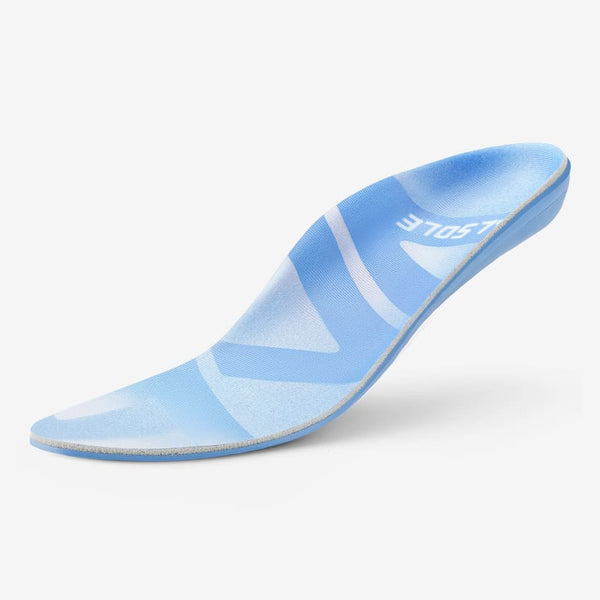
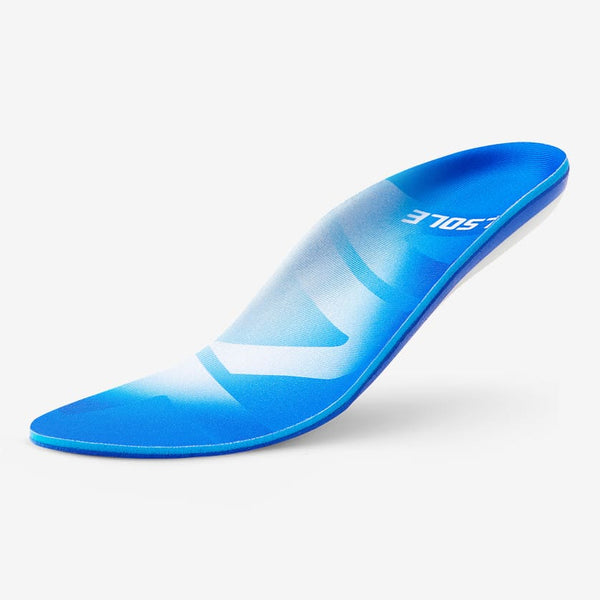
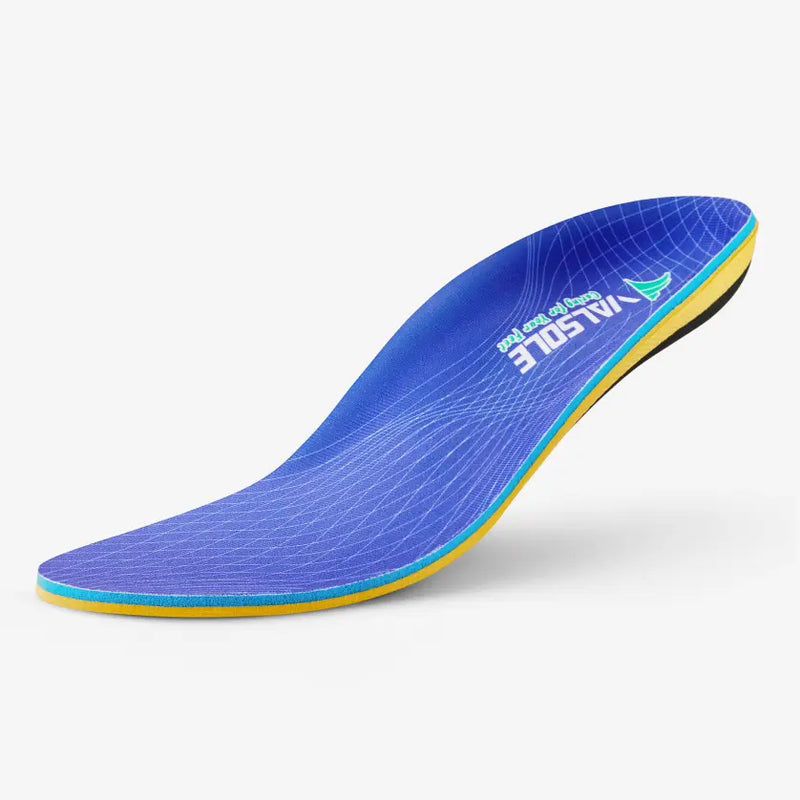
An insert can change how a shoe feels, but it cannot make an obviously oversized shoe into a well-fitted one. A reader who is testing a new insole should first check that the heel is held securely, the toe area is not excessively long, and the insert lies flat.
Consumer Decision Context
- Check shoe length and heel hold before trimming or moving an insole.
- Test one shoe-and-insole setup at a time.
- For a health concern or persistent symptoms, seek individualized professional guidance.
VALSOLE Support Path
The VALSOLE Size Guide explains sizing context. The Insoles Complete Guide and Quick Match can help readers compare a starting route by shoe and routine.
What This Means for Readers
The study does not prescribe a universal toe allowance or assess retail insoles. Its useful takeaway is narrower: establish basic shoe fit before attributing a walking or comfort change to an insert.
Sources
- Journal of Physical Therapy Science / PubMed. Effects of shoe-length mismatch on gait speed and sagittal-plane lower-limb joint motion in healthy adults. August 2026.
- Journal record. DOI: 10.1589/jpts.38.353.


