





Quick Answer: The Study Validated Measurements, Not a Consumer Benefit
A July 2026 study compared spatiotemporal gait data from a smart insole with an instrumented laboratory walkway. Results in 26 healthy volunteers showed good-to-excellent reliability and validity for the tested measures. That supports the device as a measurement tool under the study conditions; it does not show that smart insoles improve gait or establish a benefit for ordinary retail inserts.
What Happened
Researchers equipped participants with a smart insole containing inertial measurement units and recorded variables related to gait timing and distance. They compared those readings with an instrumented walkway, a laboratory reference system.
The reported agreement and repeatability metrics were encouraging across the tested spatiotemporal variables. The research question was whether the device could measure gait consistently and comparably, not whether wearing it changed how participants moved.
Why It Matters Now
Wearable foot technology is increasingly used outside specialist motion laboratories. Before data can guide decisions, the measuring device needs to be checked against a credible reference. This study is one step in that chain, while real-world performance and interpretation remain separate questions.
Who It Affects
The study is relevant to researchers and practitioners evaluating portable gait measurement. Consumers should read the narrower takeaway: a validated sensor output is not automatically a recommendation, and it is not evidence about a different insole that has no such electronics.
Consumer Decision Context
- Ask what was validated: measurement agreement is different from an improvement in comfort or movement.
- Check the population: healthy volunteers in a controlled setting may not represent every user or environment.
- Separate devices: findings for one sensor system do not transfer automatically to another product.
- Keep fit central: shoe space, secure placement and normal walking still affect the wearing setup.
VALSOLE Support Path
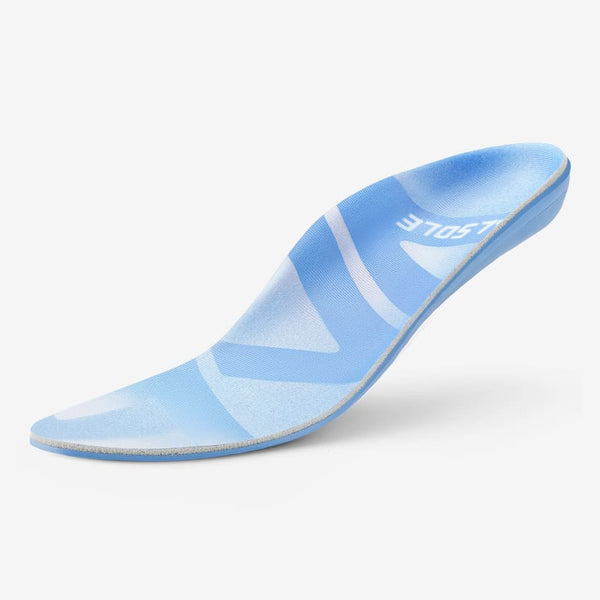
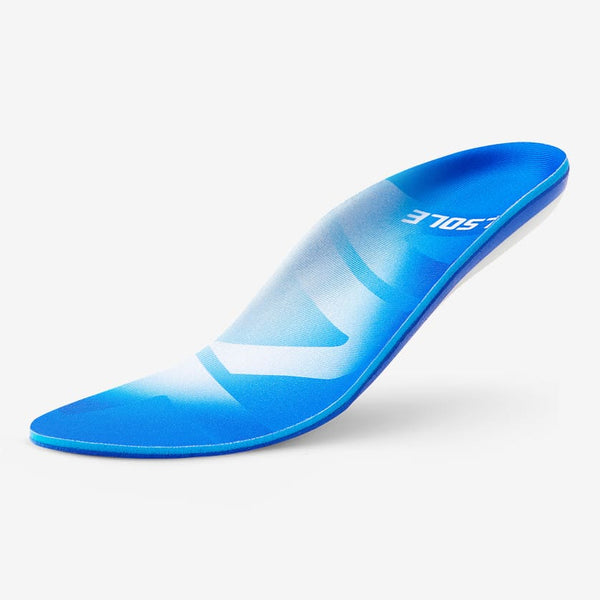
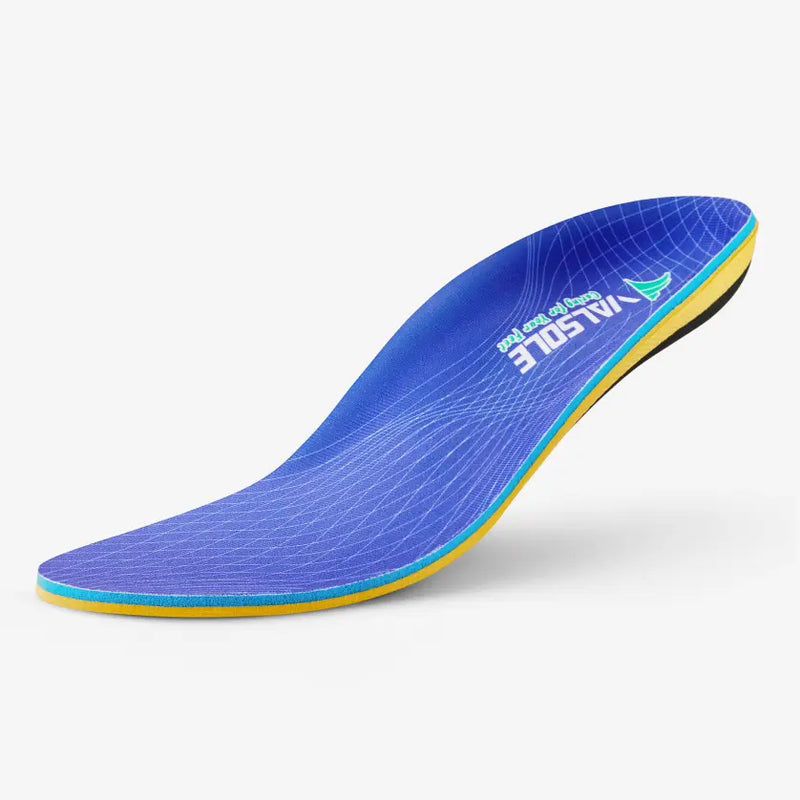
For non-electronic insole selection, use the Insoles Complete Guide and compare current options in the VALSOLE Insoles collection. Quick Match helps narrow a starting point based on footwear and routine.
What This Means for Readers
Good measurement validation is valuable, but it answers a specific technical question. Readers should look for evidence that matches the claim being made: device accuracy for data claims, and separate research for any claimed user outcome. The study does not test or endorse VALSOLE products.
Sources
- Gait & Posture / PubMed. Reliability and validity of a smart insole incorporating inertial measurement units for spatiotemporal gait analysis. July 2026.
- Fujita Health University. Research publication record. 2026.


