





Quick Answer: The Activity in a Study Is Part of the Result
A 2026 study compared shoe-only and orthosis conditions while participants went up and down stairs. It involved 22 people with chronic metatarsalgia, so it is not a study of ordinary retail shoppers. The useful takeaway is to keep the task and the participant group attached to the headline.
What Happened
The researchers measured biomechanical variables during stair ascent and descent under different study conditions. Stairs place a different demand on a footwear setup than level walking, which is why the study did not simply reuse a level-walking protocol.
Why It Matters Now
Research headlines are easy to flatten into “an insole does X.” A more accurate reading starts with who was studied, what device was used and which movement task was measured. Those details control how far a finding can be carried.
Who It Affects
The direct evidence concerns a specific clinical cohort and research devices. It does not provide a general answer for a retail insert, and it is not individual guidance for a health concern.
Consumer Decision Context
- Check the shoe volume: an insert should fit flat without crowding the toe box or heel.
- Check the daily tasks: standing, stairs and long walking routes can feel different in the same pair of shoes.
- Use appropriate support: a clinical situation needs individualized professional guidance.
VALSOLE Support Path
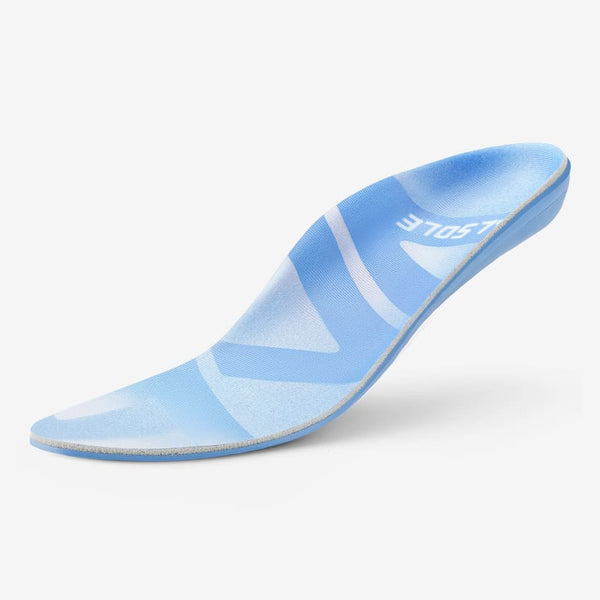
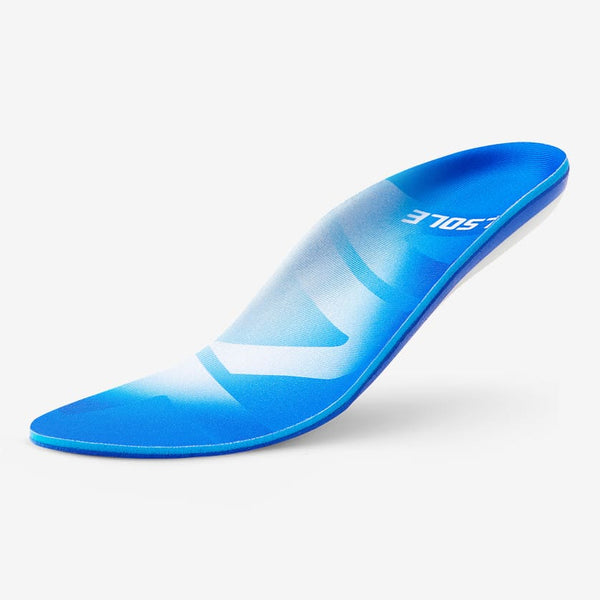
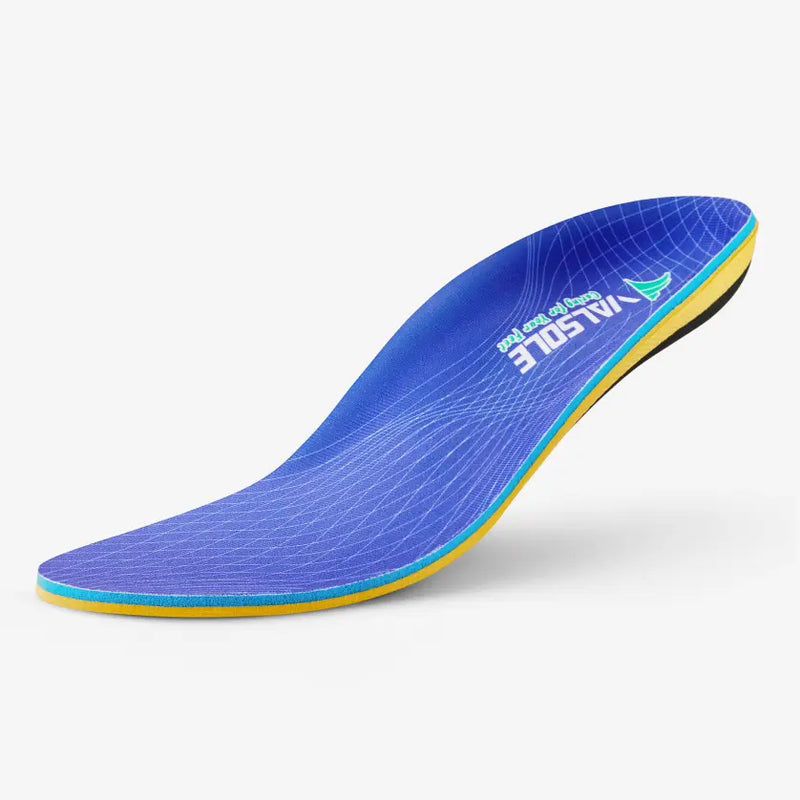
For ordinary shopping questions, use the Insoles Complete Guide, browse the VALSOLE Insoles collection, then use Quick Match to narrow a starting point.
What This Means for Readers
This study does not evaluate or endorse VALSOLE products. It is a reminder that activity and study population are evidence boundaries, not small-print details.
Sources
- Journal of Biomechanics / PubMed. Effect of foot orthoses on the biomechanics of stair ascent and descent in chronic metatarsalgia. June 26, 2026.
- Journal record. DOI: 10.1016/j.jbiomech.2026.113437.


