





Quick Answer: Cork Insoles vs. Silicone Gel Cushions
A comparative clinical study suggests that firm cork insoles provide significant balance, functional mobility, and pressure redistribution benefits compared to soft silicone gel cushions. According to findings published in a 2024 controlled trial, the structural density of cork offers superior weight-bearing support underfoot. Utilizing rigid arch supports like cork is a practical, non-invasive option to support standing stability and manage joint alignment.
The Biomechanical Difference in Material Density
When selecting foot inserts, consumers often choose soft, gel-only cushions, assuming more cushion equals more comfort. However, biomechanical studies show that under body weight, soft silicone or memory foam collapses completely, leaving the foot flat and unsupported. In contrast, natural cork or rigid composites maintain their shape under load. This firm structural arch support stabilizes the medial longitudinal arch, preventing excessive flattening and helping to maintain body balance.
Improving Plantar Pressure Offloading and Mobility
The research demonstrated that cork insoles effectively reduce peak pressure on the heel and metatarsal heads by dispersing load across the entire footbed interface. In older cohorts, this stability and pressure offloading translated directly into improved functional mobility and postural control. By providing a stable, structured footbed, cork inserts reduce the muscle activation required to maintain equilibrium, making them an excellent choice for daily comfort.
VALSOLE Support Path
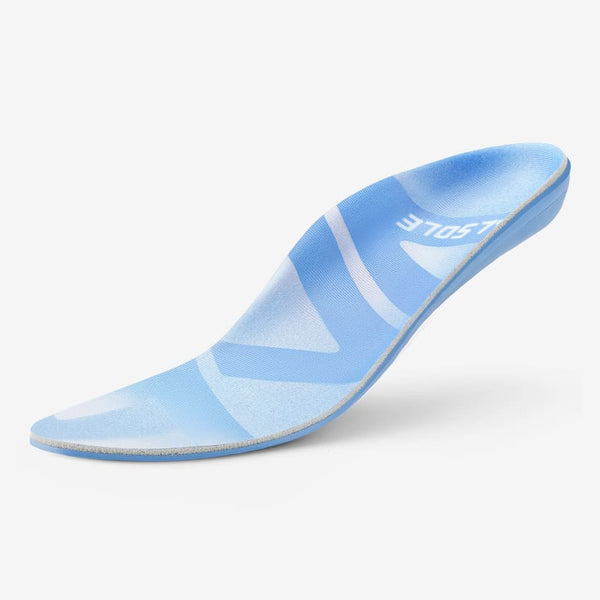
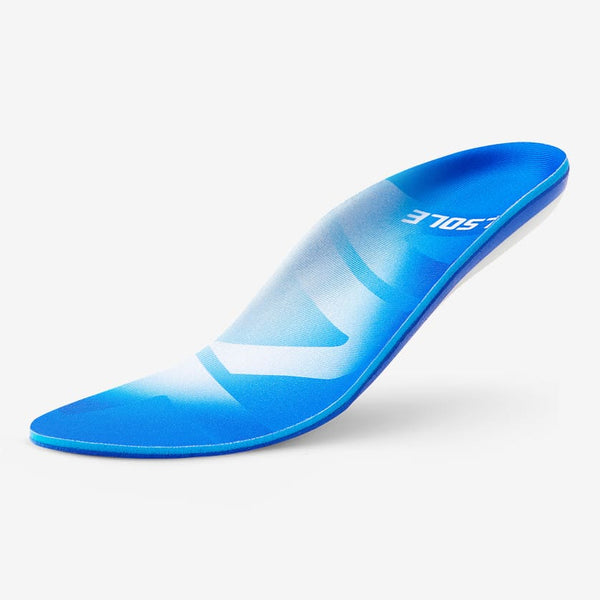
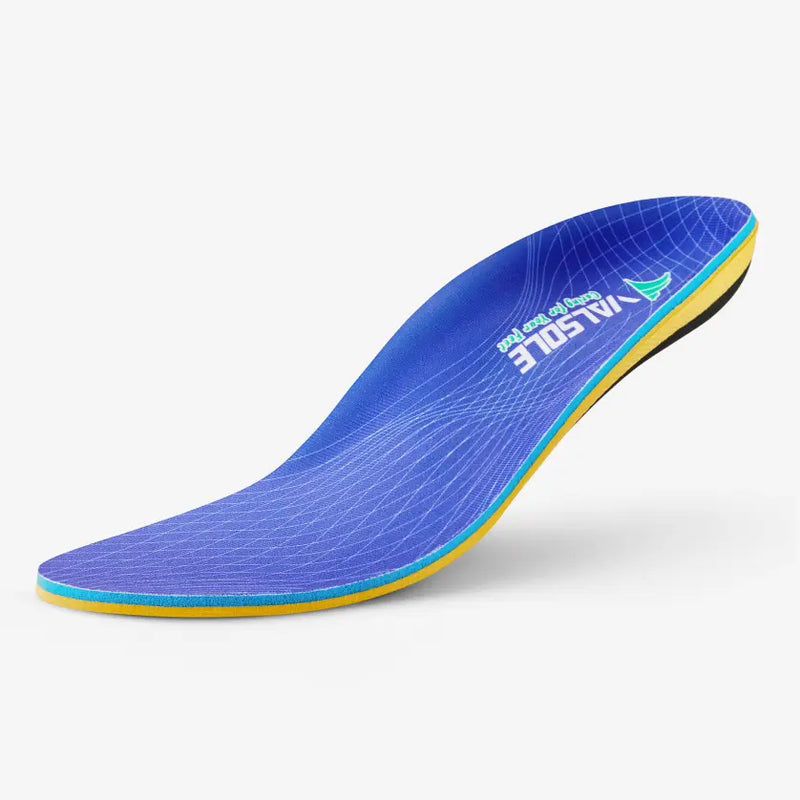
To support your foot posture and optimize daily standing stability, selecting a structured cork insert is a highly effective option. You can browse the VALSOLE Arch Support Collection to explore a range of contoured insoles. For a balanced design featuring a firm cork-blend arch shell paired with cushioning top layers to support daily comfort, the VALSOLE Stable Support Insole is designed to help maintain underfoot stability. To identify the best fit for your specific foot structure, visit the VALSOLE Quick Match Guide.
Consumer Choice and Professional Care
When choosing insoles for long-term comfort, look for options that feature a dense, supportive arch shell—such as natural cork or nylon composites—rather than flimsy gel inserts. If you experience severe balance issues, joint pain, or if lower extremity discomfort limits your daily mobility, please consult a qualified healthcare professional or podiatrist for a personalized assessment.
Sources
- Effects of cork and silicone insoles on balance, functional mobility, and plantar pressure in elderly. Scientific Reports / Applied Sciences. 2024; PMID: 39663088.
- Foot orthoses for plantar heel pain: a systematic review and meta-analysis. British Journal of Sports Medicine. 2018;52(11):707-713. PMID: 28935689.


