





Quick Answer: Cupped and Rigid Insoles and Balance
Biomechanical testing indicates that foot inserts featuring a deep heel cup and rigid arch support can improve dynamic postural stability. According to research published in the Journal of Physical Therapy Science, cupped and rigid insoles provide structured physical stabilization underfoot, helping to maintain joint alignment during dynamic movements. Incorporating structured insoles is a practical step to support balance comfort during walking tasks.
How Rigid and Cupped Structures Stabilize Gait
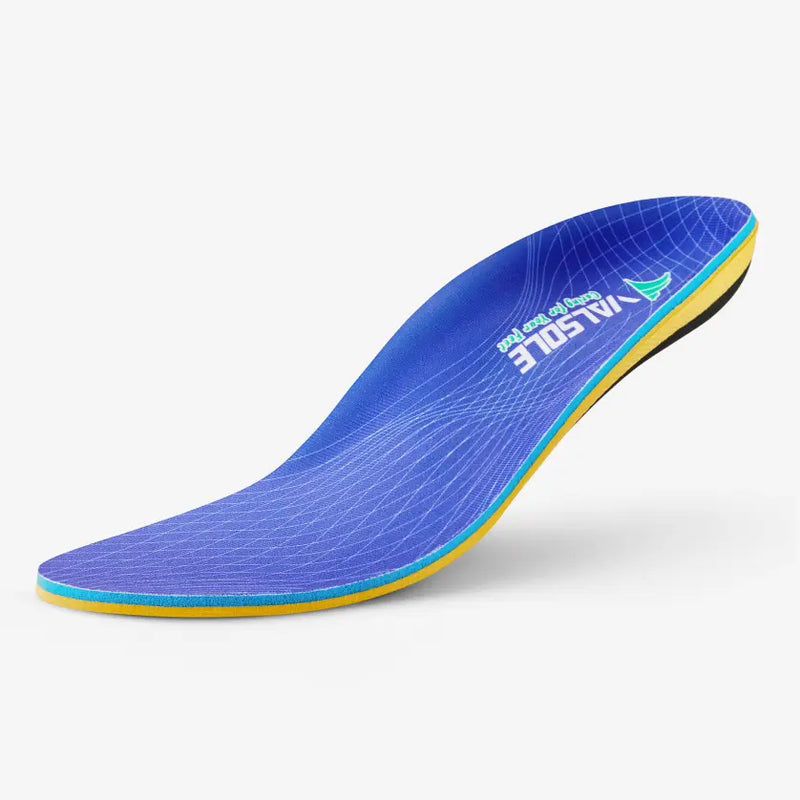
During walking, the foot transitions from heel strike to toe-off, requiring continuous stability to distribute body weight. Flat or overly soft insoles do not support the heel, leading to increased rearfoot movement and ankle tilt. A deep heel cup design centers the heel's natural fat pad directly beneath the calcaneus bone, reducing side-to-side shear forces. Combined with a rigid arch shell, this structure keeps the medial longitudinal arch steady, improving postural control during weight-bearing shifts.
Supporting Posture and Reducing Fatigue
The study highlights that structured underfoot support alters joint kinematics in the lower extremity. By stabilizing the arch and calcaneus, supportive insoles help align the foot with the ankle and knee. This skeletal alignment reduces the muscular effort required by the calf and shin muscles to stabilize the body, helping to manage dynamic fatigue and supporting overall posture comfort during active work shifts.
VALSOLE Support Path
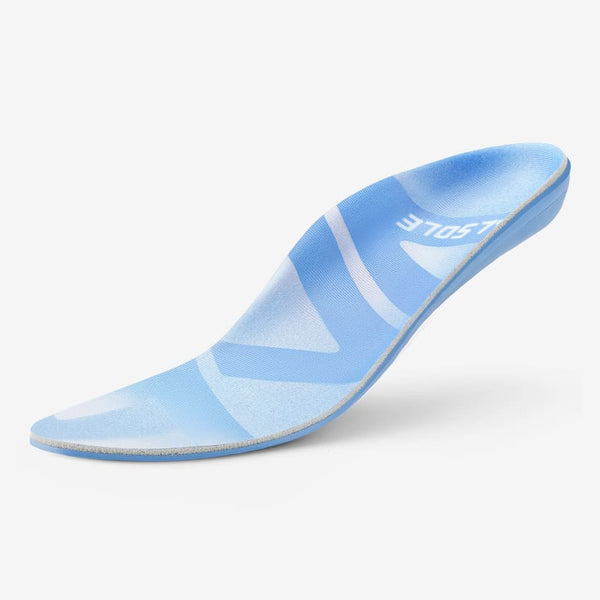
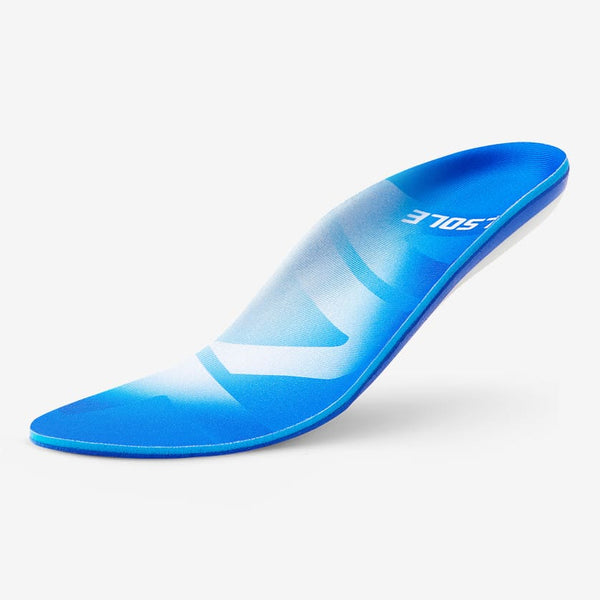
To support your daily dynamic stability and manage underfoot pressure, choosing a structured insert is a practical option. Shoppers can check the VALSOLE Arch Support Collection to explore contoured options. For a highly stable design featuring a dense nylon arch shell integrated with a deep heel cradle, the VALSOLE Stable Support Insole is designed to help maintain walking comfort. To find the optimal insert for your foot structure, visit the VALSOLE Quick Match Guide.
Consumer Choice and Professional Care
When selecting insoles for walking comfort, look for options that combine firm arch guidance with a deep heel cup to promote ankle stability. If you experience severe, persistent, or worsening postural instability or foot pain, please consult a qualified healthcare professional or podiatrist for a personalized assessment.


