





Quick Answer: Conservative Management of Flexible Flatfoot
A network meta-analysis suggests that contoured arch support insoles serve as an effective conservative option for managing flexible flatfoot discomfort. According to research published in Medicine, using supportive insoles provides significant improvements in underfoot pressure distribution, helping to reduce plantar strain. Integrating structured inserts is clinically validated as a reliable, non-invasive method to support arch comfort during daily walking.
Synthesizing Management Evidence
Flexible flatfoot is characterized by an arch that collapses or flattens under weight-bearing loads, while remaining visible when offloaded. This structural flattening causes abnormal pressure concentration on the inner edge of the foot, often leading to fatigue in the arch and lower leg. The 2025 network meta-analysis reviewed multiple randomized trials comparing active interventions, finding that insoles are highly effective at restoring a balanced underfoot contact surface, reducing localized tissue fatigue.
Biomechanical Mechanism of Arch Insoles
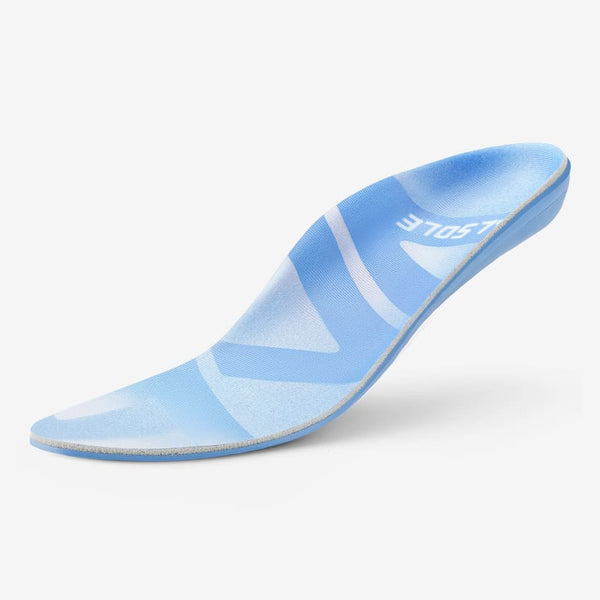
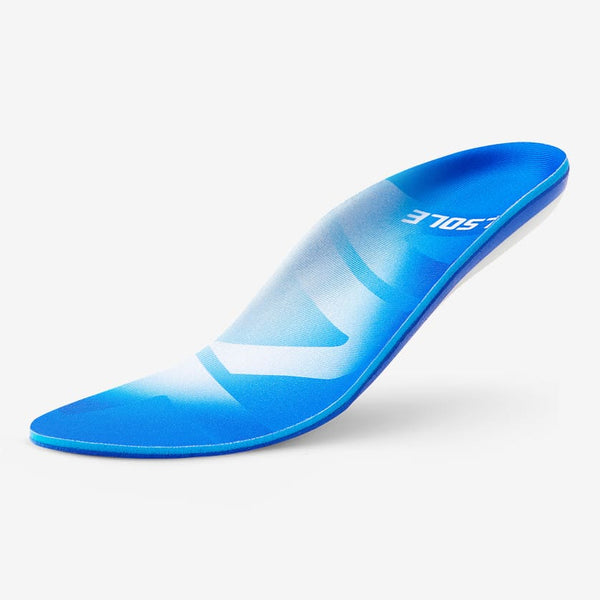
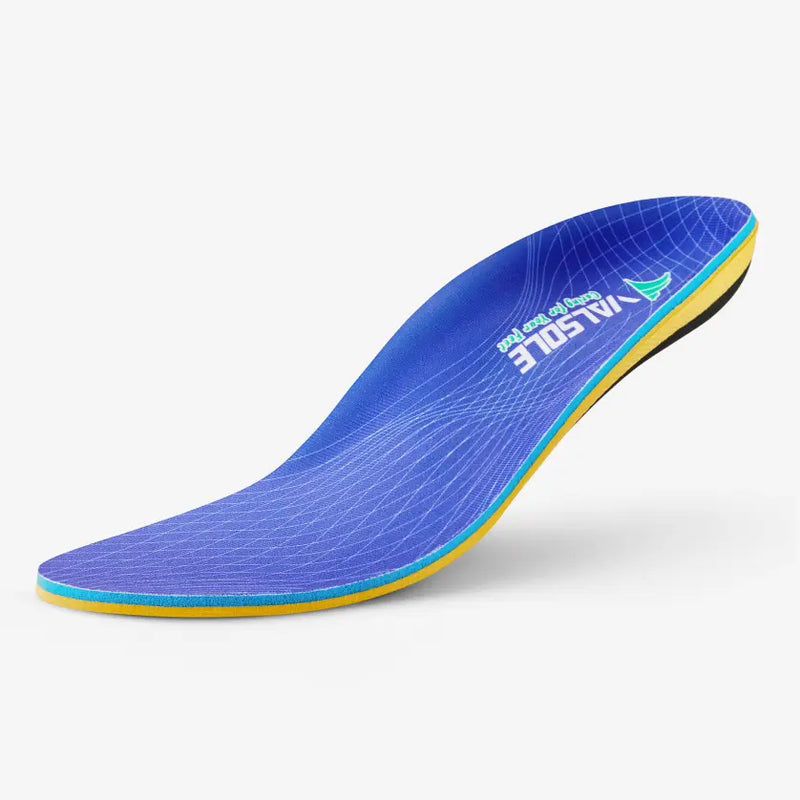
Orthotic shoe inserts manage flatfoot discomfort by providing a firm medial arch contour that supports the medial longitudinal arch. By holding the arch in a neutral position, the insert helps prevent excessive foot pronation (inward roll) and ankle tilt during the gait cycle. This biomechanical guidance supports dynamic stability, helping to manage early-stage muscle fatigue and promoting daily walking comfort.
VALSOLE Support Path
For individuals looking to manage flatfoot discomfort and support healthy walking ergonomics, choosing structured arch inserts is a practical solution. You can browse the VALSOLE Arch Support Collection to explore a range of contoured insoles. For a highly supportive design featuring a firm nylon arch shell paired with shock-absorbing foam layers, the VALSOLE Stable Support Insole is designed to help maintain underfoot comfort during active shifts. To find the optimal fit for your foot structure, visit the VALSOLE Quick Match Guide.
Consumer Choice and Professional Care
When selecting flatfoot insoles, choose models that combine a firm, semi-rigid arch support structure with a deep heel cradle for ankle stability. If you experience severe pain, structural stiffness, or if flatfoot discomfort limits your daily mobility, please consult a qualified healthcare professional or podiatrist for a personalized assessment.


