

Quick Answer: Choosing Between Anti-Fatigue Mats and Shoe Insoles
Ergonomic assessments of prolonged standing at work demonstrate that both anti-fatigue floor mats and shoe insoles help reduce muscle strain and fatigue compared to standing barefoot or in flat shoes on hard floors. According to a comparative study published in Applied Ergonomics, there is no single superior intervention; rather, comfort benefits are highly subjective and heavily dependent on individual factors such as age, height, and specific job tenure. Shoe insoles offer the unique advantage of continuous support, moving with the worker across different surfaces.
Evaluating the Intervention Types
In industrial and commercial work environments, standing on concrete or tile floors is a primary source of physical fatigue. Anti-fatigue mats are typically placed at fixed workstations to cushion the floor interface. However, for workers whose roles require frequent walking or moving between multiple stations, mats are often impractical. Shoe insoles act as a mobile support layer, providing consistent heel cushioning, arch support, and shock absorption regardless of where the worker stands or walks during their shift.
The Impact of Personal Demographics on Foot Fatigue
The research by Phyllis M. King revealed moderately strong correlations between a worker's subjective fatigue relief and their individual demographics. Factors like height and weight can alter how much pressure is placed on the foot arches, meaning that a mat or insole density that feels supportive for one individual may compress too much for another. Therefore, selecting footwear inserts that allow for personalized sizing and arch heights can help optimize the underfoot fit for different body types.
VALSOLE Support Path
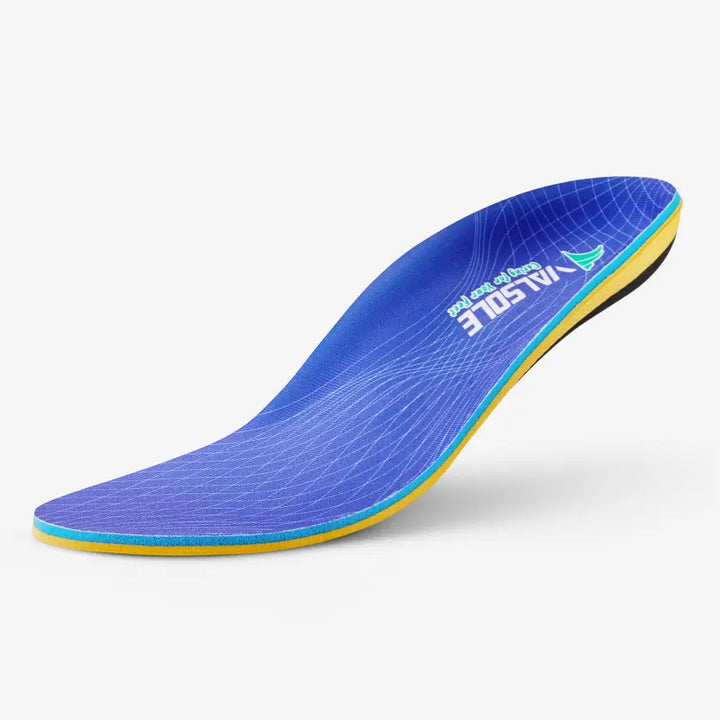
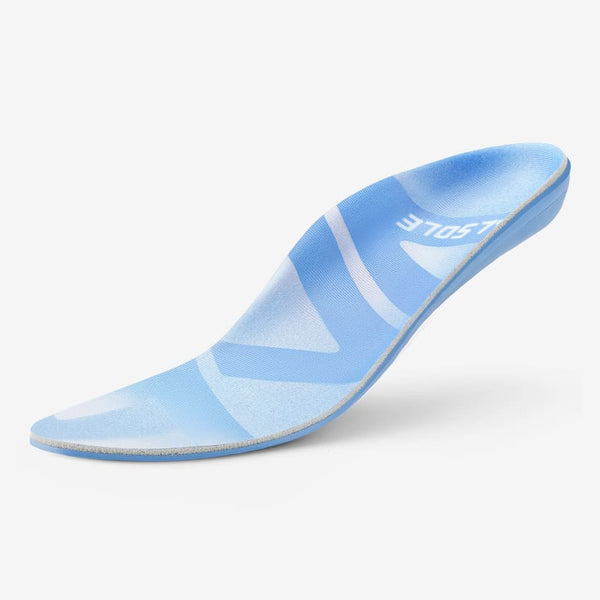
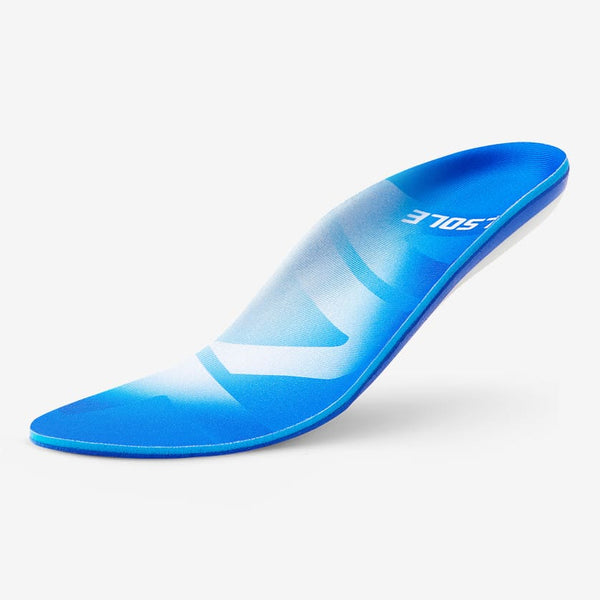
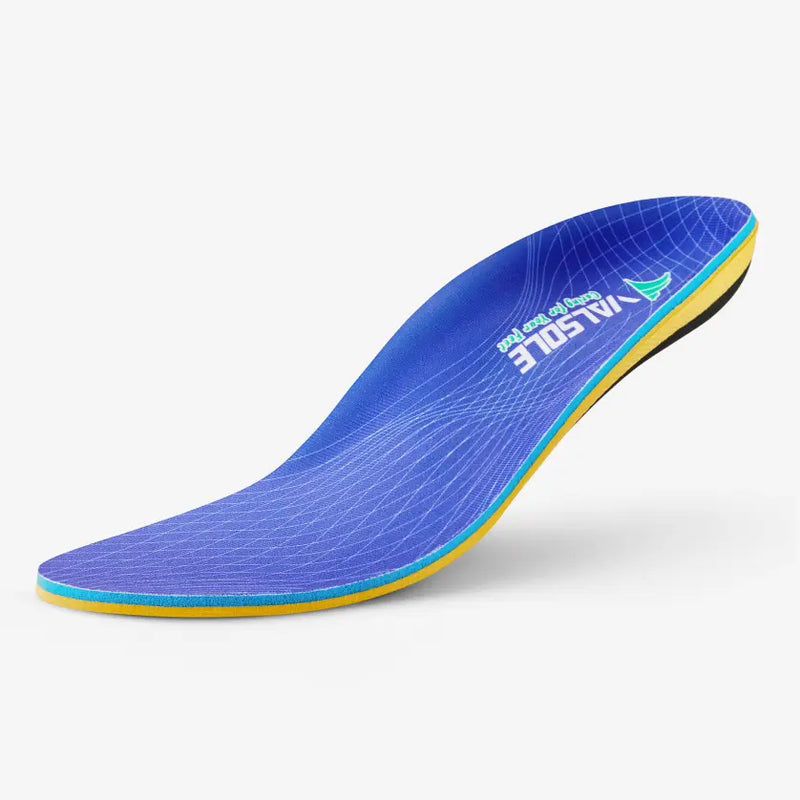
Finding a reliable underfoot support layer is essential for managing daily shift fatigue. Shoppers looking to add mobile cushioning to their daily work shoes can check out the VALSOLE Insoles Collection. For heavy-duty shock absorption that helps distribute pressure evenly across the heel and forefoot, the VALSOLE Heavy Duty Insole provides a structured support profile that functions as a personal anti-fatigue layer inside your footwear.
Consumer Decision Context
When upgrading your workplace setup, consider combining fixed anti-fatigue matting at primary workstations with high-quality shoe inserts for mobile support. If you experience persistent, severe, or worsening lower-limb discomfort, it is recommended to seek advice from a podiatrist or healthcare professional.
Sources
- King PM. A comparison of the effects of floor mats and shoe in-soles on standing fatigue. Applied Ergonomics. 2002;33(5):477-484. PMID: 12236657.
- Speed G, Harris K, Keegel T. The effect of cushioning materials on musculoskeletal discomfort and fatigue during prolonged standing at work: A systematic review. Applied Ergonomics. 2018;70:300-314. PMID: 29866322.