





Quick Answer: The Role of Insole Materials in Plantar Pressure Offloading
Biomechanical studies demonstrate that contoured insoles are more effective at redistributing underfoot forces than standard flat footbeds. According to research published in Scientific Reports focusing on diabetic older adults during gait, the choice of material density and support geometry directly influences how effectively an insole offloads peak pressure from high-strain areas like the heel and forefoot. While these findings in a diabetic older adult cohort highlight the mechanical utility of viscoelastic foams and dual-density structures for weight distribution, individual comfort experiences in a general consumer population will vary.
Understanding Pressure Redistribution During Gait
As you walk, your foot experiences repeated loading phases where body weight concentrates on the heel and then shifts to the forefoot. Flat, unsupportive shoes force these areas to absorb the majority of the impact, leading to rapid foot fatigue. Contoured insoles help manage this by creating a structured interface that conforms to the shape of the foot. By increasing the overall surface area in contact with the footbed, contoured orthoses reduce peak local pressures. In vulnerable cohorts such as the diabetic elderly, this pressure offloading is critical to daily mobility, serving as a biomechanical guide for general underfoot support designs.
Why Material Density and Durability Matter
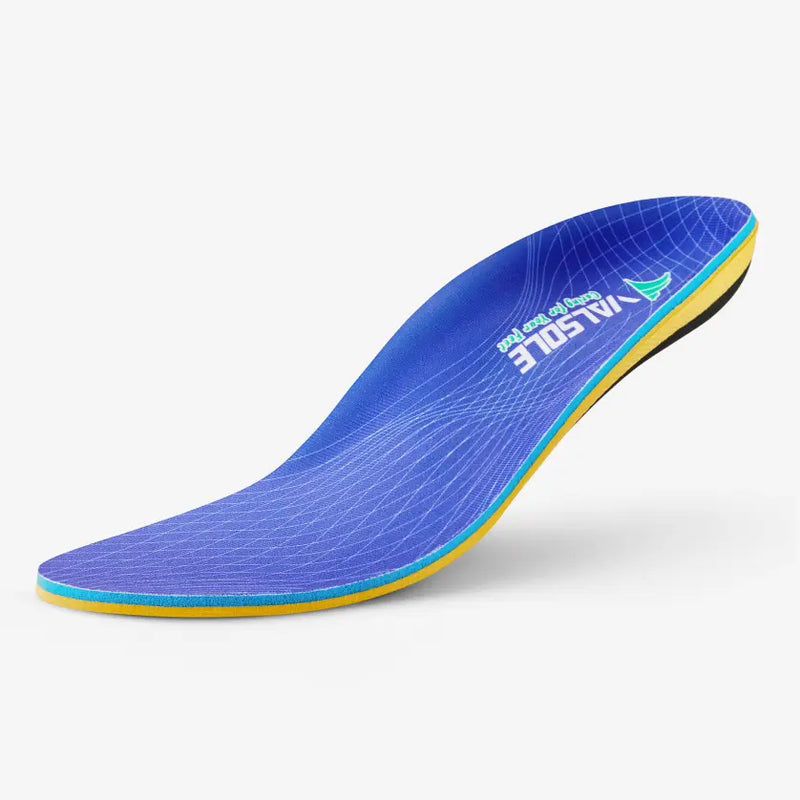
The study highlights that material properties—such as the balance between soft cushioning and firm support—are critical for successful pressure offloading. If a material is too soft, it compresses completely under load, losing its contoured shape and failing to support the arch. Conversely, an excessively rigid material can create new pressure points. High-quality prefabricated insoles resolve this by using a multi-layer design: a firm structural shell to maintain arch shape, topped with a resilient, shock-absorbing foam layer to cushion daily impacts.
VALSOLE Support Path
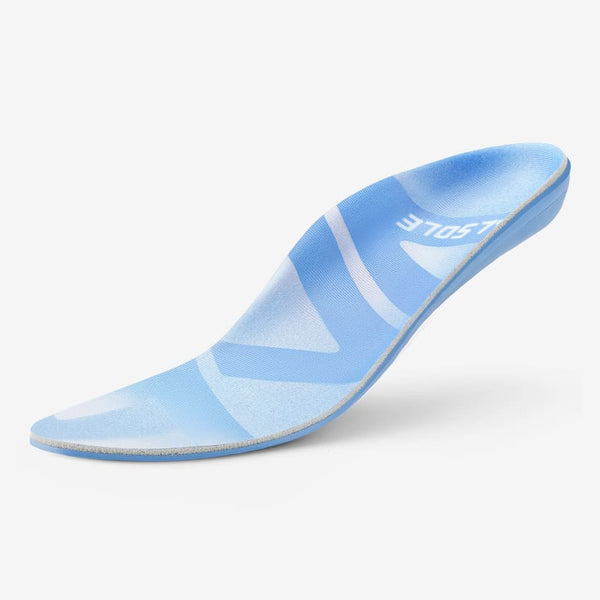
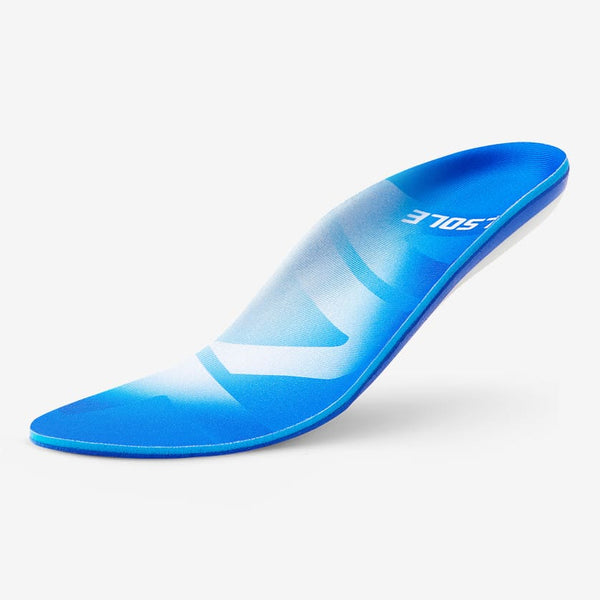
For shoppers looking to improve underfoot comfort by optimizing their foot's pressure distribution, selecting a structured insert can make a major difference. You can browse the VALSOLE Insoles Collection to find options tailored to different footwear types. For a balanced arch support profile that combines a firm nylon support shell with cushioning foam layers to distribute underfoot pressure, the VALSOLE Stable Support Insole is designed to help maintain foot comfort during daily walking routines.
Decision Context
When selecting insoles, look for designs that offer a structured arch base combined with a shock-absorbing top cover to ensure both comfort and stability. If you experience persistent, severe, or worsening foot pain, please consult a healthcare professional or podiatrist for a personalized assessment.
Sources
- Shi QQ, Li PL, Yick KL, Li NW, Jiao J. Effects of contoured insoles with different materials on plantar pressure offloading in diabetic elderly during gait. Scientific Reports. 2022;12(1):15395. PMID: 36100637.
- Speed G, Harris K, Keegel T. The effect of cushioning materials on musculoskeletal discomfort and fatigue during prolonged standing at work: A systematic review. Applied Ergonomics. 2018;70:300-314. PMID: 29866322.


