

What changed
A March 2026 wave of podiatry coverage pushed one message into the mainstream: supportive footwear should no longer be treated as a cosmetic or optional comfort feature. Reports syndicated through Medical Xpress and HealthDay distribution partners framed structured shoes as a therapeutic tool for people with plantar fasciitis, heel pain, arch fatigue, bunions, hammertoes, and long-hours-on-your-feet discomfort.
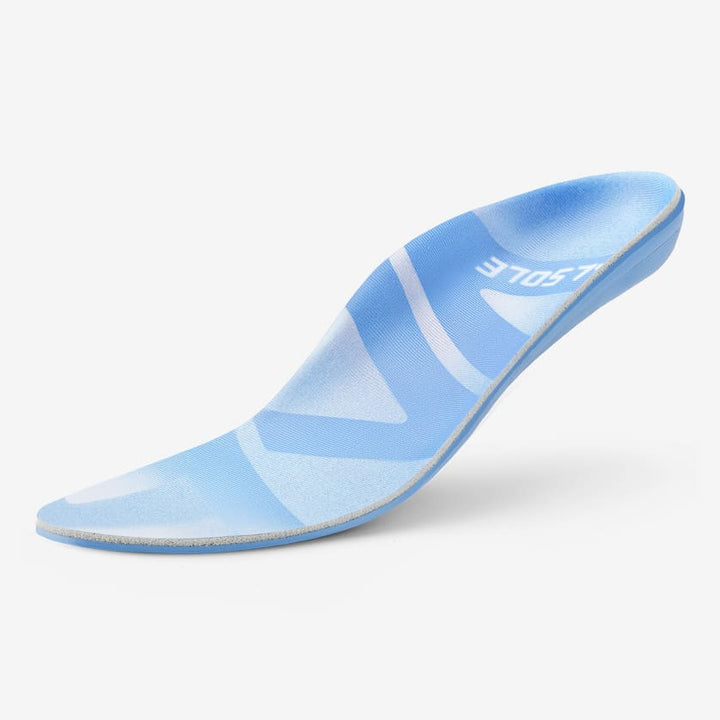
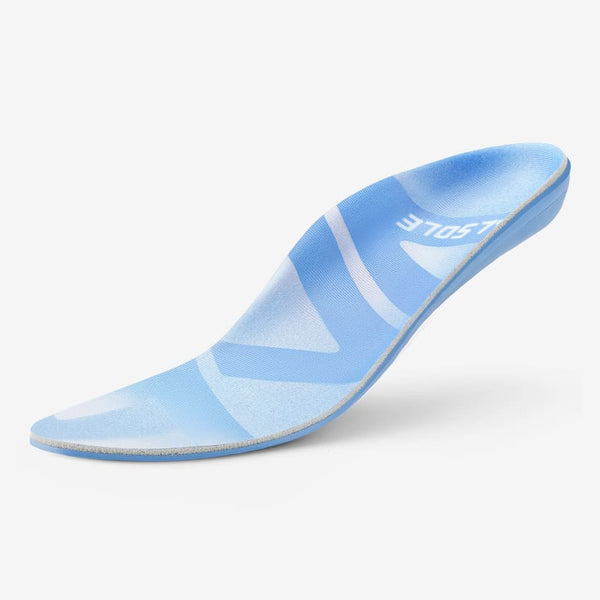
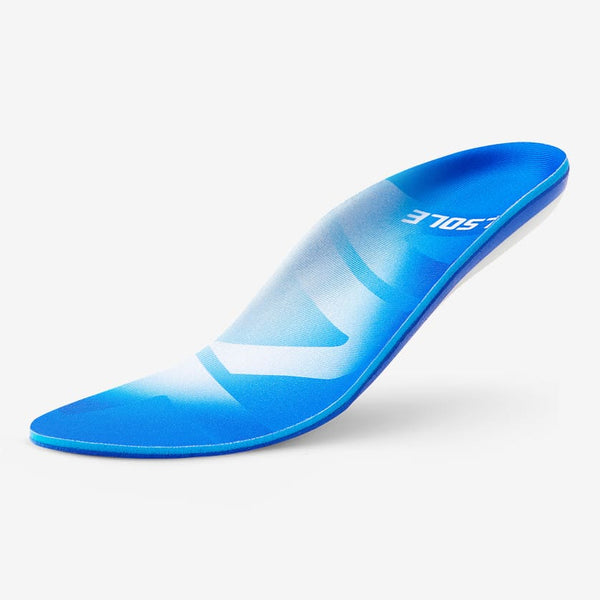
The practical shift is not just about nicer language. Experts highlighted specific structural features such as a rigid heel counter, a shoe that does not fold or twist too easily, enough depth for insoles, and a wide toe box that lets the forefoot spread naturally. That gives buyers a much clearer decision framework than the older “pick something soft” approach.
Why it matters now
This matters because buyers are increasingly arriving at footwear with symptom-driven intent. They are not only shopping for style or casual comfort. They are looking for something that can help them stand longer, reduce plantar strain, ease end-of-day fatigue, and support the lower-body chain from the foot upward.
Once the conversation moves from “comfy shoes” to “supportive footwear that changes load and alignment,” the comparison set changes too. Soft casual shoes start losing ground to structured sneakers, orthopedic slippers, recovery clogs, and more supportive insert combinations.
The buyer-angle takeaway is simple: people now have stronger permission to shop for footwear as part of a pain-management routine, not just a wardrobe update.
What shoppers should look for
The expert advice in the recent coverage was unusually concrete. Buyers were told to test whether a shoe bends too easily, whether the heel counter collapses under pressure, and whether the toe box gives enough room to avoid squeeze. Those checks are useful because they move the conversation away from marketing words and toward actual construction.
For shoppers who stand all day, structure often matters more than plushness alone. If a shoe feels great for 30 minutes but unstable by the end of a shift, the comfort story is incomplete. The same applies to home recovery. People who flare up on hard floors may need a better indoor support plan rather than more barefoot time after work.
What it means for VALSOLE readers
For this audience, the big implication is that supportive footwear should be compared by use case. Workload, pain pattern, and where symptoms appear first still matter more than brand labels. A shopper standing on concrete all day may need a different support setup than a reader managing heel pain mainly at home.
That is also why this story connects naturally to support guides and product lanes instead of ending at the headline. If the news angle is that structure matters, the next question becomes which structure matters most for your actual foot pattern.
Where shoppers can start
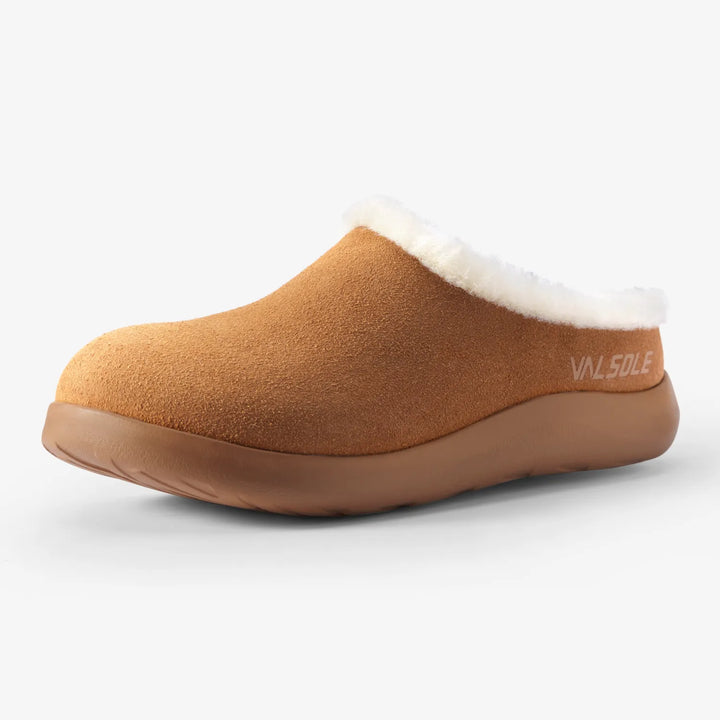
Readers who want the fastest next step can compare a structured indoor option such as orthopedic slippers, review symptom-specific routing in the foot pain relief guide, and check whether a stable home-recovery option like Hearth Clog fits their daily routine.