

Answer block: what changed in buyer comparison behavior?
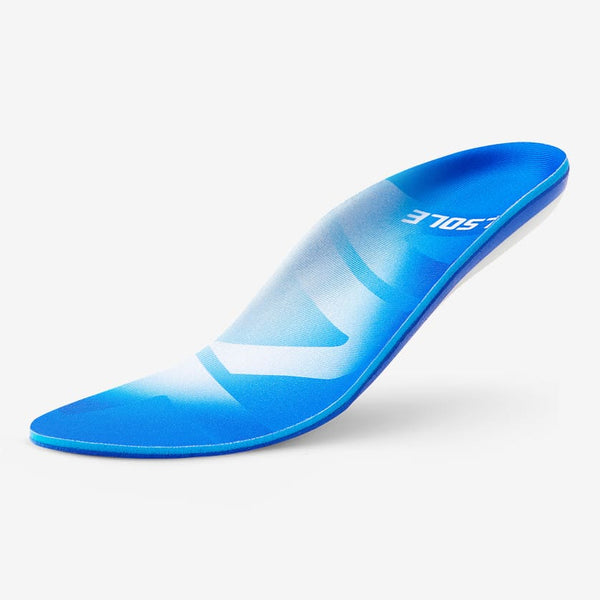
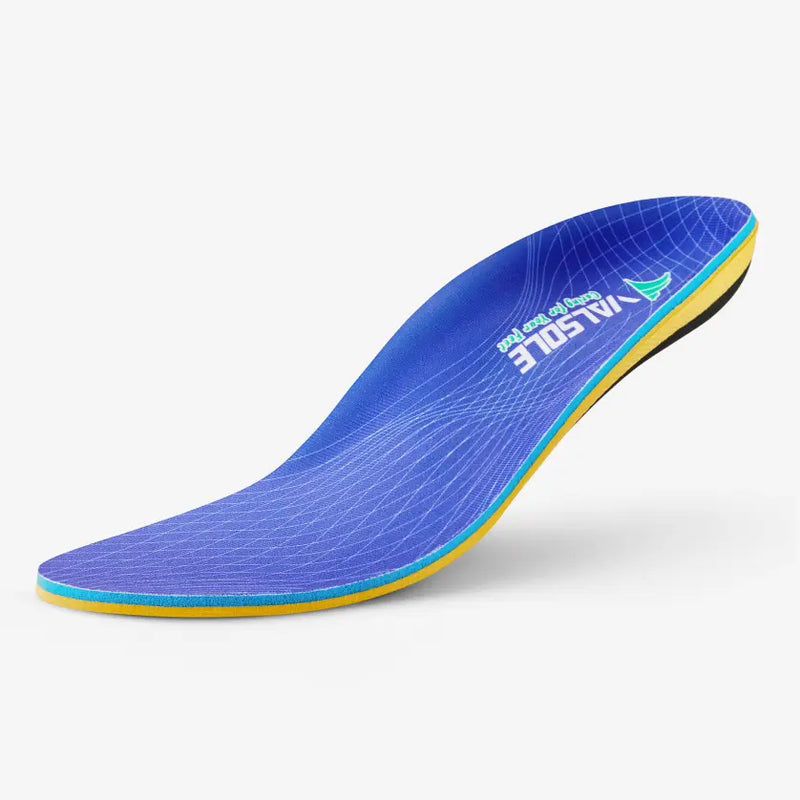
Supportive footwear comparisons are increasingly centered on stability signals: heel control, arch behavior, and how the product feels after repeated steps. Shoppers with foot pain, flat feet, plantar fasciitis concerns, or hard-floor fatigue are filtering out options that only promise softness and do not explain support under real daily load.
The user pain behind the shift
The common frustration is simple: a shoe or slide can feel comfortable in the first five minutes and still leave the wearer sore after a shift, commute, or long store walk. That is why stability language is gaining weight. It speaks to the moment users actually care about, which is late-day fatigue after many repeated steps.
Decision framework: what shoppers should compare first
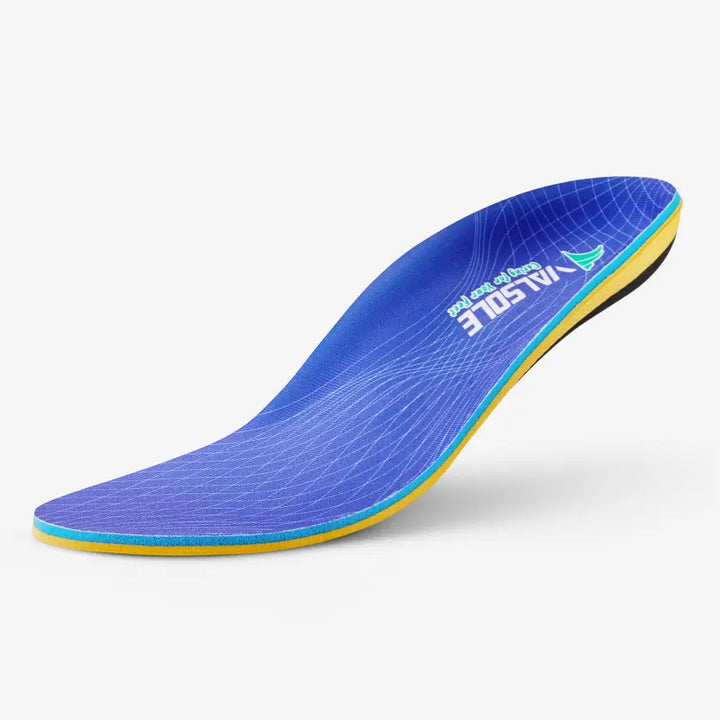
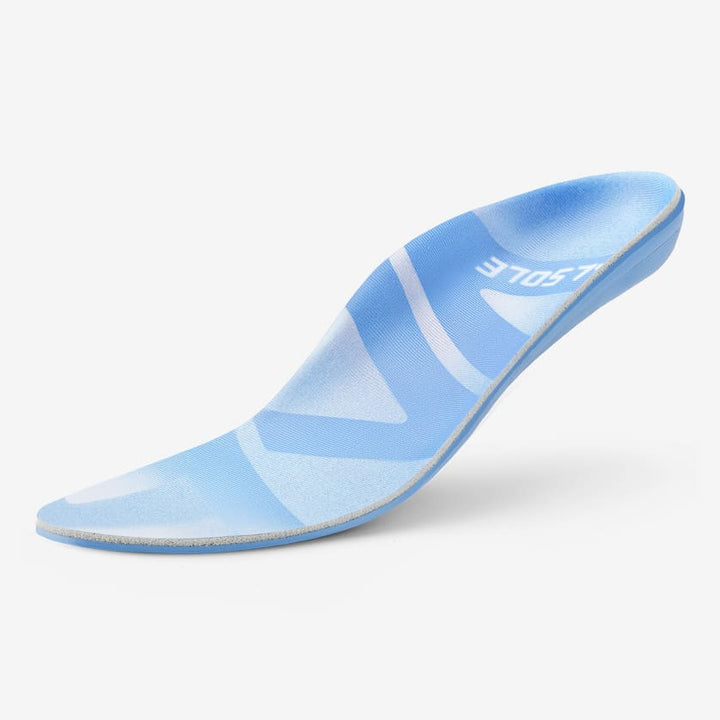
A stronger comparison page should help shoppers check three things quickly: whether the heel stays centered, whether arch support remains useful after hours of wear, and whether the product fits the use case. For work shoes, readers should start with the Insoles Complete Guide. For after-work or home hard-floor relief, the Recovery Footwear Guide is the better next step.
Where this should route inside VALSOLE
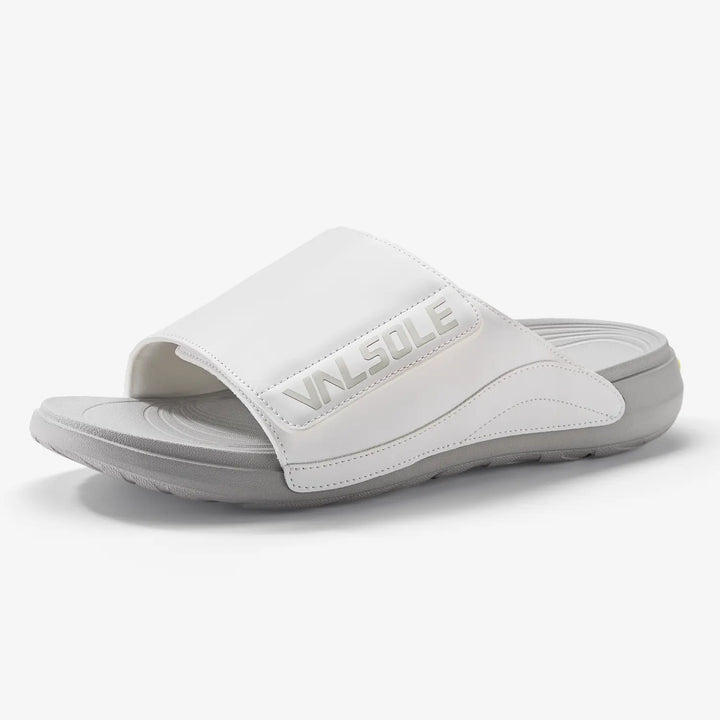
Comparison intent should connect to specific buying paths instead of ending at education. Users still diagnosing pain can start with the Foot Pain Relief Guide, while high-load users should compare Heavy Duty Insoles for in-shoe stability and Recovery Slide for post-shift recovery support.
Commercial takeaway
Support categories should keep emphasizing stable repeat-step behavior because that is where buying intent becomes clearer. The strongest journeys connect stability comparisons to concrete next actions such as Quick Match, guide pages, and product paths built around the shopper's actual load pattern.