

What changed
A late-March 2026 roundup of podiatrist-recommended supportive sneakers in Real Simple pulled together a more detailed shortlist for people with foot pain, overpronation, arthritis, plantar fasciitis, and long-walk fatigue. The list itself is not the whole story. What matters is the buying standard it reinforces: a firm heel counter, reliable arch support, balanced cushioning, and enough room to accommodate orthotics when needed.
That is a step up from the old “comfortable sneaker” conversation. The newer framing is more structural and more buyer-use-case driven, especially for people who walk a lot at work or who need footwear that stays supportive after hours of wear.
Why it matters for standing all day
Readers who stand for long hours often shop reactively. Their feet start burning or flattening late in the day, and they replace a pair of shoes with whatever looks softer. But softer is not always better. The current sneaker guidance keeps coming back to the same point: support, motion control, and fit consistency matter just as much as cushioning.
The reason this matters commercially is simple. Buyers on concrete floors, hospital shifts, warehouse routes, retail floors, and school campuses are not only buying for style. They are shopping for delayed fatigue, more stable mechanics, and fewer end-of-day flare-ups.
What the stronger standard looks like
The strongest feature pattern across recent recommendations is surprisingly consistent. A good all-day sneaker should hold the heel, avoid collapsing under twist, offer enough underfoot structure to keep the arch from overworking, and still leave enough depth and width to prevent pressure build-up. That last part matters more than people think. A stable shoe that crowds the forefoot can still become a bad all-day choice.
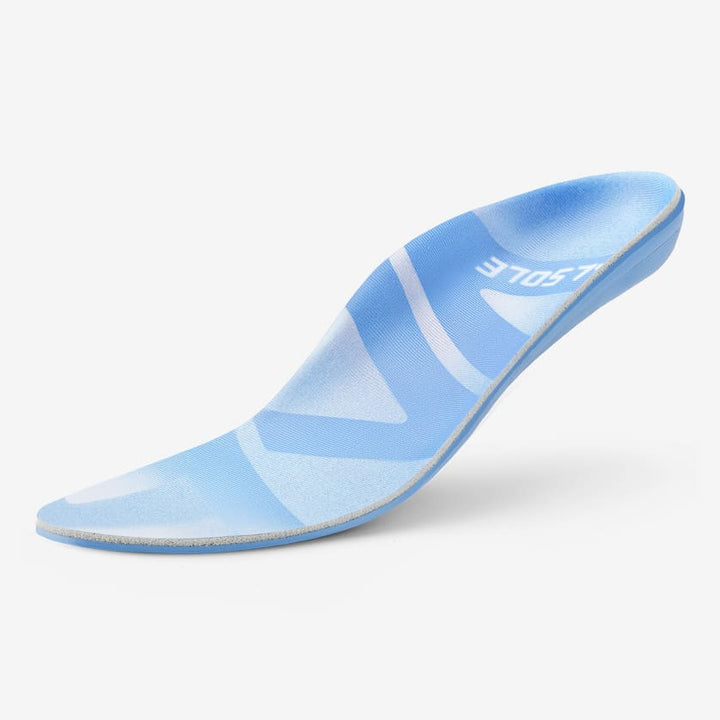
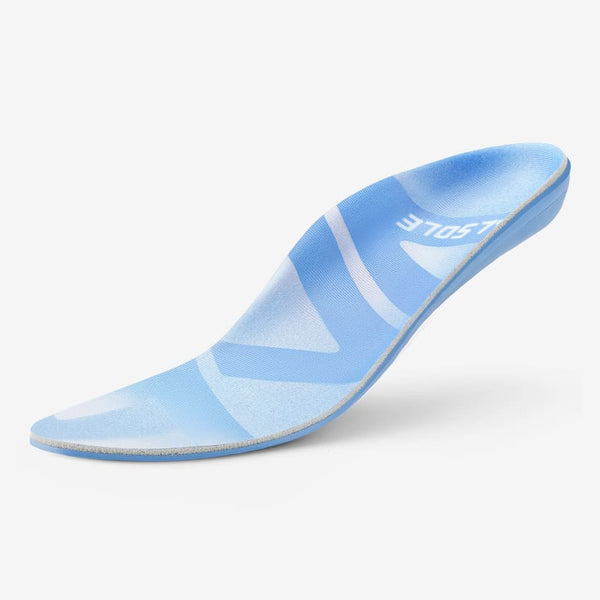
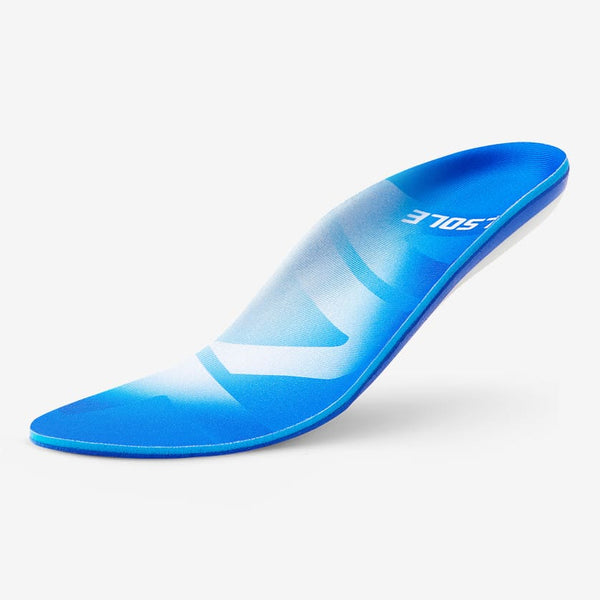
Another important signal is orthotic compatibility. If a shoe cannot comfortably accept an insert, it removes one of the easiest ways to tune support intensity later. That makes orthotic-friendly construction an important buying filter even for shoppers who are not using inserts yet.
What it means for VALSOLE readers
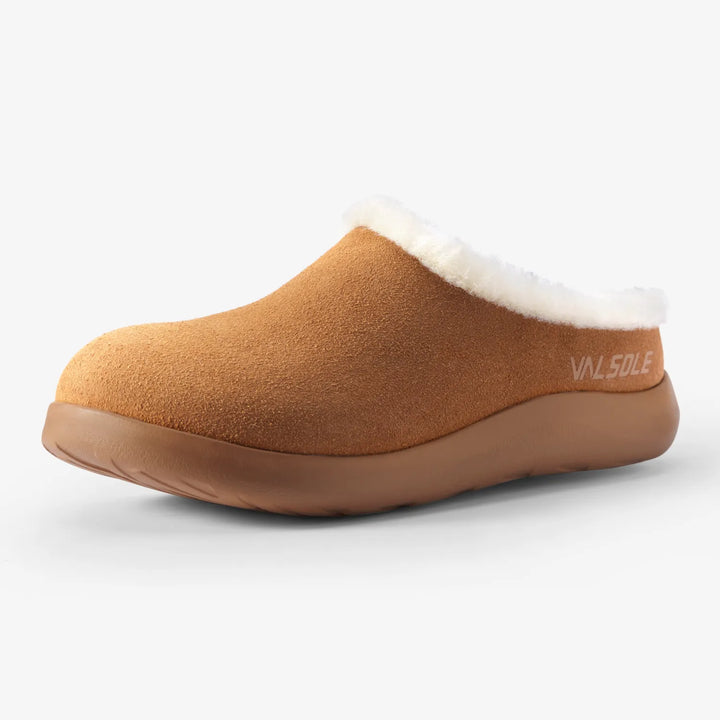
The practical takeaway is not that everyone should buy a running sneaker. It is that the all-day standard is getting clearer. Buyers can now compare shoes, clogs, slippers, and insoles against the same support questions: does it stay stable, does it fit without squeeze, and does it support the workload you actually live with?
That makes transition pages and guides more important after the headline. A shopper with shift-related fatigue may need a work-shoe strategy, while a shopper who feels best at work but flares up at home may need an indoor support plan instead.
Where shoppers can start
Use the foot pain relief guide to sort pain pattern first, compare indoor recovery and house-footwear support through orthopedic slippers, and review fit constraints before buying through the size guide.