

Quick Answer: Support Is About Contact and Shoe Constraints, Not Height Alone
A May 2026 study measured 30 semiconductor maintenance workers standing in dustproof safety shoes. Custom insoles increased measured contact area and changed localized pressure compared with the shoes' standard insoles. The study did not test retail VALSOLE products, extended walking or long-term outcomes, so its value is a design question rather than a product promise.
What Happened
Researchers in the Journal of the Ergonomics Society of Korea studied workers whose cleanroom jobs required dustproof safety footwear and substantial static standing. Using an in-shoe pressure system, they compared the standard shoe condition with custom devices designed around each worker's arch.
The study reported a 15.2% increase in total contact area and a larger change in medial-arch contact in the custom condition. Peak pressure measures at the forefoot and hindfoot were also lower during the static-standing test.
Why It Matters Now
Support is often described only by arch height or foam firmness. This study points to a more complete question: where does the foot contact the insert, where does pressure remain concentrated, and does the safety shoe provide enough room for the combined setup?
A separate 2026 systematic review of prolonged-standing footwear also found tradeoffs between cushioning, stability and localized pressure. That broader review cautioned against assuming that one hardness or design works for every standing task.
Who It Affects
The findings are most relevant as context for people who stand in constrained occupational footwear. They are less directly applicable to walking-heavy shifts, ordinary sneakers or users without the study group's reported discomfort. A custom device shaped for one worker also cannot be treated as equivalent to a retail insert.
Consumer Decision Context
- Contact: support should feel continuous rather than like one sharp pressure point.
- Space: the safety shoe must still allow toe movement and secure closure.
- Task: static standing, walking, lifting and stairs place different demands on footwear.
- Wear check: evaluate the complete setup during the actual routine, not only while seated.
VALSOLE Support Path
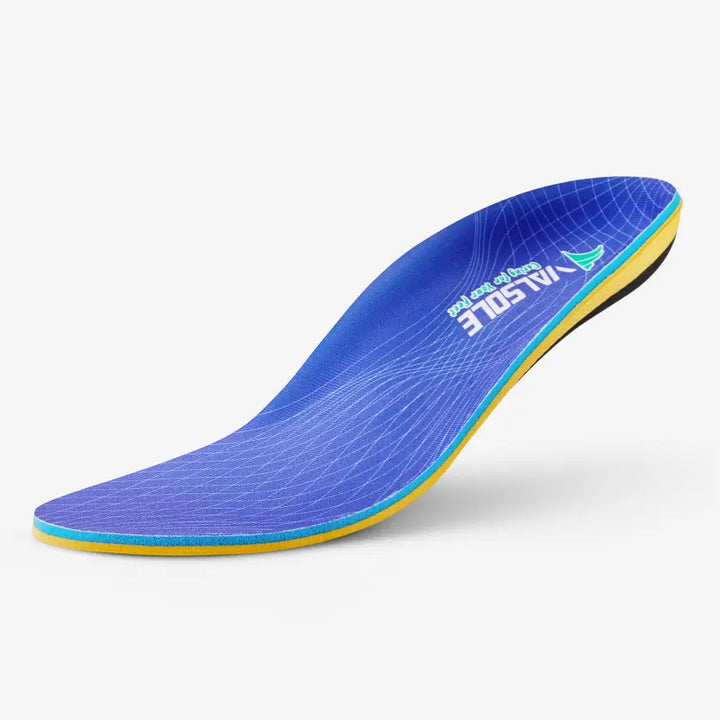
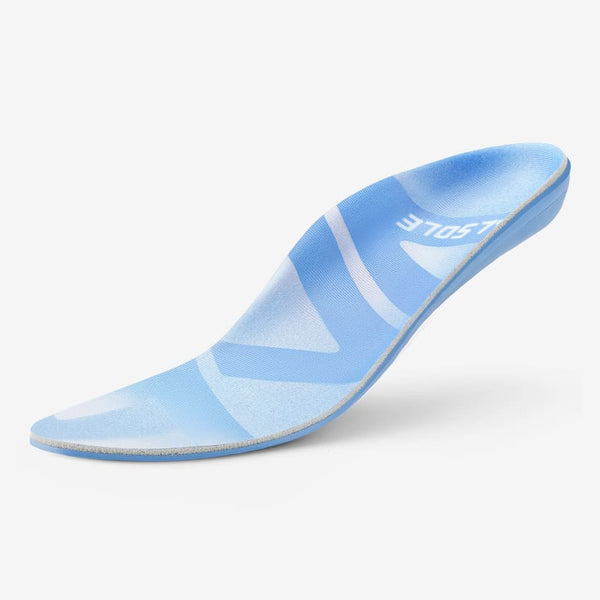
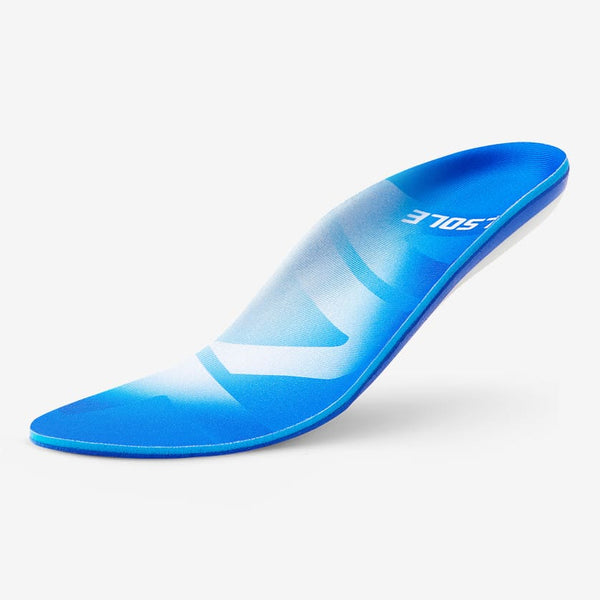
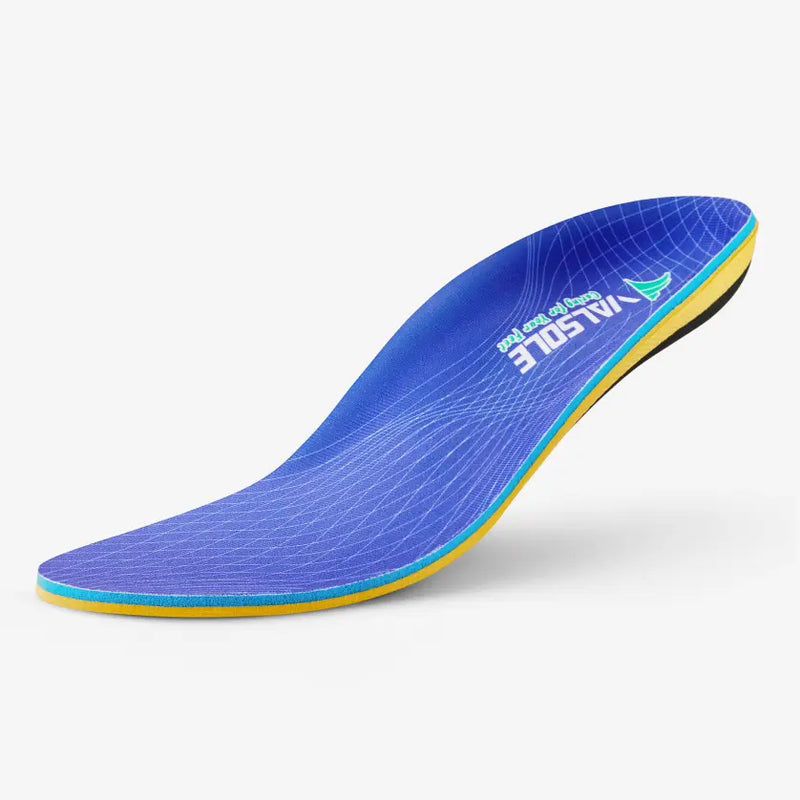
The Concrete Floor Insoles collection is the established commercial route for hard-surface work. Readers looking for a higher-load product path can review Heavy Duty Support Insoles, while Quick Match provides a broader fit and use-case route.
What This Means for Readers
The study supports careful evaluation, not a universal outcome claim. Check whether support is well distributed, whether the shoe still fits, and whether the setup remains stable during the real task. New, severe or persistent symptoms call for qualified professional assessment.
Sources
- Journal of the Ergonomics Society of Korea. Effect of Customized Insoles on Plantar Pressure Distribution and Contact Area for Semiconductor FAB Standing Workers. May 4, 2026.
- Safety and Health at Work. Influence of Footwear on Foot Comfort of Workers Engaged in Prolonged Standing Occupations: A Systematic Review. March 2026.