





Best Insole for Plantar Fasciitis: How to Choose the Right Support
Quick Answer: What Is the Best Insole for Plantar Fasciitis?
For plantar fasciitis, the best insole is usually the one that keeps your arch stable, controls heel impact, and stays comfortable through your real daily load. Most people do better with a support-first setup, not the softest insert on day one. If your heel pain is worst in the first steps of the morning or after long standing, you typically need firmer structure plus heel protection, then small adjustments based on one-week symptom trends.
There is no single model that fits everyone. Foot shape, body load, shoe volume, and daily routine all matter. A practical way to choose is to match support profile to use case, then test consistency across morning pain, mid-shift fatigue, and end-of-day soreness. Reliable improvement over multiple days is a stronger signal than short-term comfort in the first hour.
Top Picks by Use Case (VALSOLE Path)
Use-case matching is the fastest way to reduce trial and error. Start with your highest-load scenario, then add a secondary option only after one week of stable results.
For all-day standing and repeat heel load, begin with a firmer support baseline. For mixed daily walking and errands, choose moderate structure with stable heel behavior. For home recovery periods, use supportive indoor footwear so gains from daytime support are not lost on hard floors.
| Use case | Recommended setup | Best for | Caution |
|---|---|---|---|
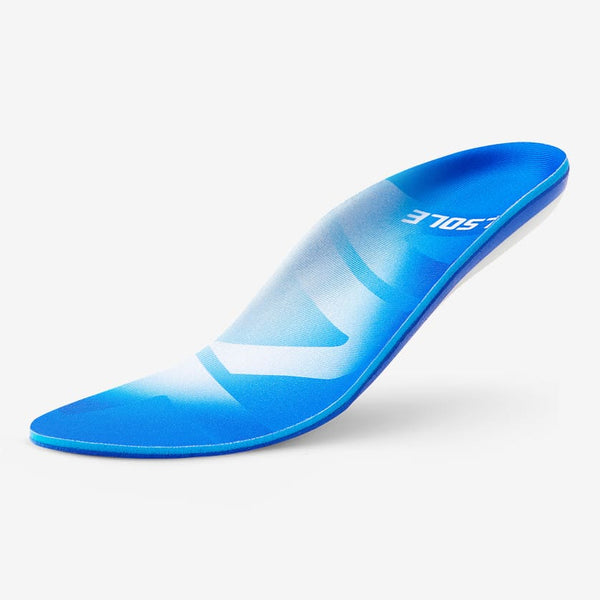
| All-day standing or hard-floor shifts | Heavy Duty insole | Strong arch control and heel stability under long load | Break in gradually for 3-7 days |
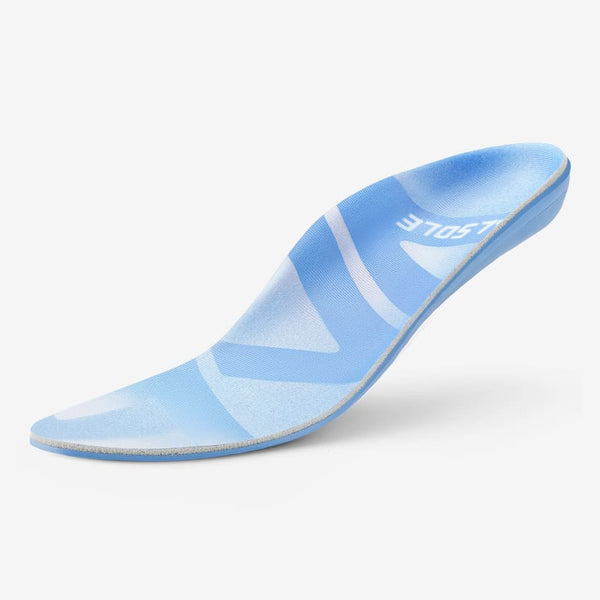
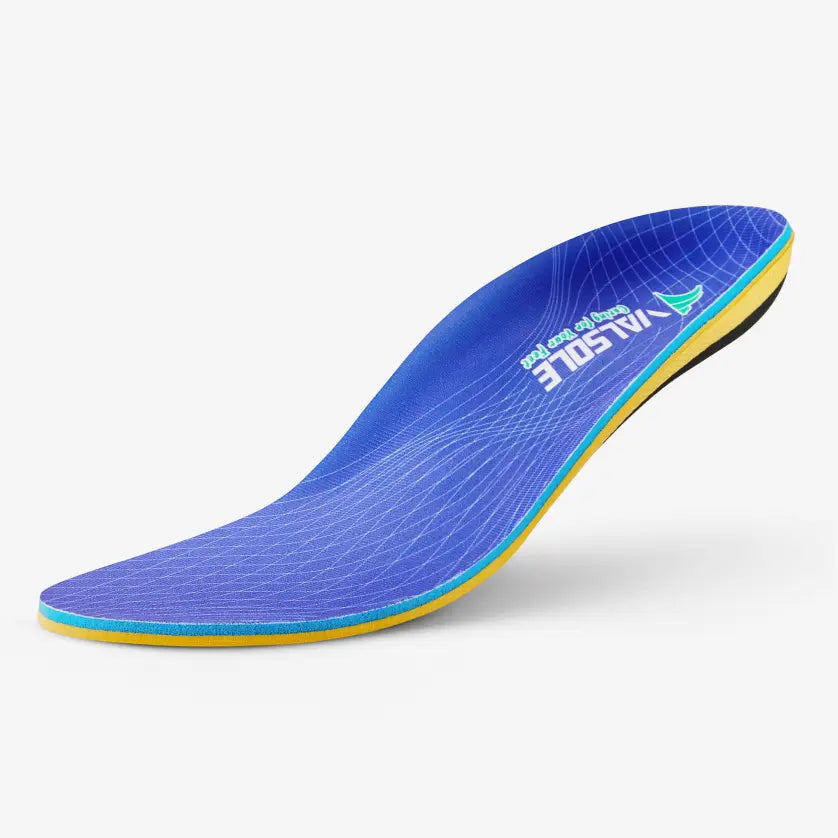
| Daily walking and mixed routines | Insoles collection (moderate-to-firm profile) | Balanced comfort and support retention | Avoid soft-only inserts that collapse by midday |
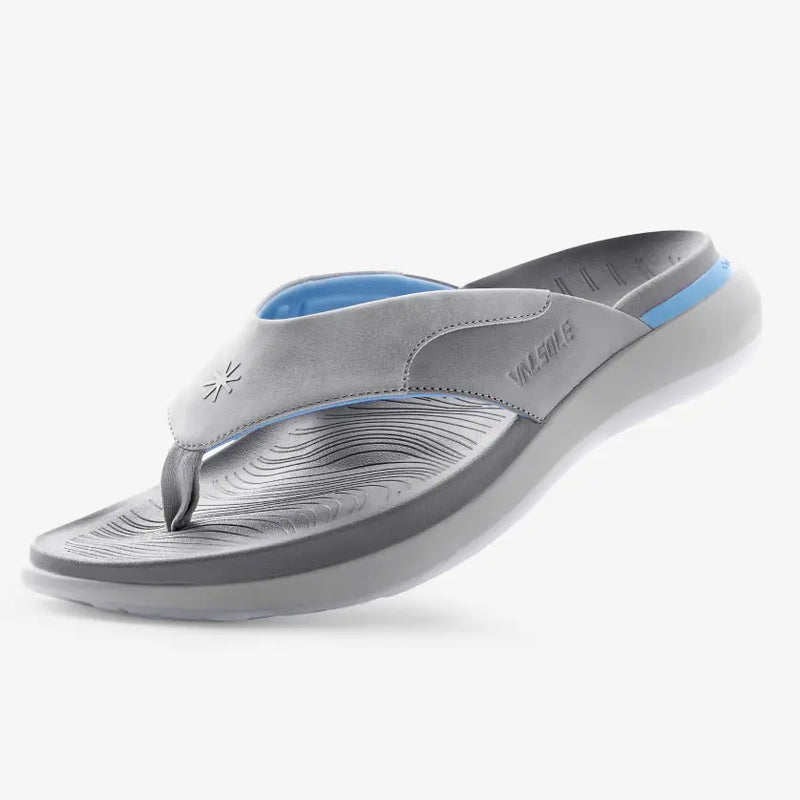
| Indoor recovery and off-shift continuity | Hearth Clog | Supportive indoor wear to reduce hard-floor rebound stress | Do not switch to flat slippers during flare-ups |
How to Choose the Right Insole for Your Pain Pattern
If your pain is sharp at first steps in the morning and improves after a short warm-up, prioritize structured arch guidance and heel control. If pain builds through the day, especially during long standing, check support retention and shoe stability first. If your feet are highly sensitive, start at moderate support, then move firmer only when daily trend data shows insufficient control.
Use a simple three-signal system for one week: first-step pain, mid-shift fatigue, and end-of-day soreness. Change one variable at a time (support level, shoe platform, or wear duration). When two signals improve and one worsens, you are close but still mismatched. The winning setup is the profile that gives the most repeatable weekly pattern, not the most dramatic single-day relief.
Fit and Break-In Rules That Prevent Setbacks
Make sure your shoes have removable factory insoles and enough internal depth. The support profile should sit flat with no toe curl or edge lift. Start wear time at 1-2 hours, then increase daily over 3-7 days. Mild adaptation soreness can be normal, but sharp pain, numbness, or pressure hotspots are signs to reduce intensity and reassess fit.
Keep footwear variables stable during testing. Changing socks, shoes, and insole profile at the same time makes results unreadable and slows progress. For best outcomes, combine support with daily calf and plantar fascia mobility work, and avoid barefoot walking on hard surfaces during active flare periods.
Related Guides and Next Steps
Build your full plan with the Plantar Fasciitis Relief Guide and compare support levels in the Arch Support Guide. Then shortlist products in the Insoles Collection and choose your first option based on your highest-load daily scenario, not occasional use only.
If you need a practical decision path, start with one workday setup and one recovery setup, track symptoms for seven days, and keep only the combination that delivers repeatable improvement across all three daily checkpoints.
FAQ
Q1: Should I choose the firmest insole immediately for plantar fasciitis?
Not always. Start with the lowest support level that remains stable through your longest daily load, then adjust if weekly trends show under-support.
Q2: How long before I know an insole is working?
Most people can evaluate clearly in 7-14 days when wear time is progressive and shoe variables are controlled.
Q3: Can one insole work in all shoes?
Only if shoe geometry is similar. Different shoe depth and heel structure often require different support profiles.
30-Second Insole Decision
Pick support based on your highest-load daily scenario, then start with one pair you will wear consistently.
Firm Support
Best for sharp morning heel pain, long standing, and users needing high arch stability.
Shop Heavy DutyBalanced Daily Rotation
Best when you need one setup for work, errands, and home walking without frequent swaps.
Compare All InsolesRecovery + Home Use
Best for reducing indoor floor impact and easing arch tension after activity.
Shop Hearth ClogRelated guides
Quick Comparison: Firm vs Soft vs Recovery
| Option | Best for | Support feel | Start here |
|---|---|---|---|
| Firm Support Insole | Sharp first-step heel pain, standing shifts, repeated daily load | High arch control with stable heel cup | Start with Heavy Duty |
| Balanced Everyday Insole | Mixed commute, walking, and day-long comfort needs | Moderate structure with softer step-in feel | Compare all insoles |
| Recovery Clog | Hard indoor floors, post-work recovery, at-home wear | Plush top comfort on a supportive base | Try Hearth Clog |
FAQ
What is the best insole type for plantar fasciitis?
The best option usually combines firm arch support, a stable heel cup, and cushioning that does not collapse quickly under daily load.
Do plantar fasciitis insoles really help heel pain?
Yes. Proper insoles can reduce strain on the plantar fascia by supporting alignment and absorbing impact, which often lowers recurring heel pain.
How long should I wear insoles each day?
Most people benefit from all-day use in walking shoes and indoor footwear, especially during standing, commuting, and household activities.
Can I use one insole for sports and daily walking?
You can if the insole is supportive and stable, but many people get better comfort by using a high-support pair for activity and another pair for casual shoes.
Do I need to replace both shoe insoles at the same time?
Yes, replacing both sides together usually improves gait symmetry and comfort, especially if one foot has higher daily load.
How often should I replace plantar fasciitis insoles?
For daily wear, most users review support every 6 to 12 months and replace sooner if arch structure or heel cushioning shows visible compression.


